Horror Tattoos in Frankfurt
in Frankfurt
Horror Tattoos in Frankfurt
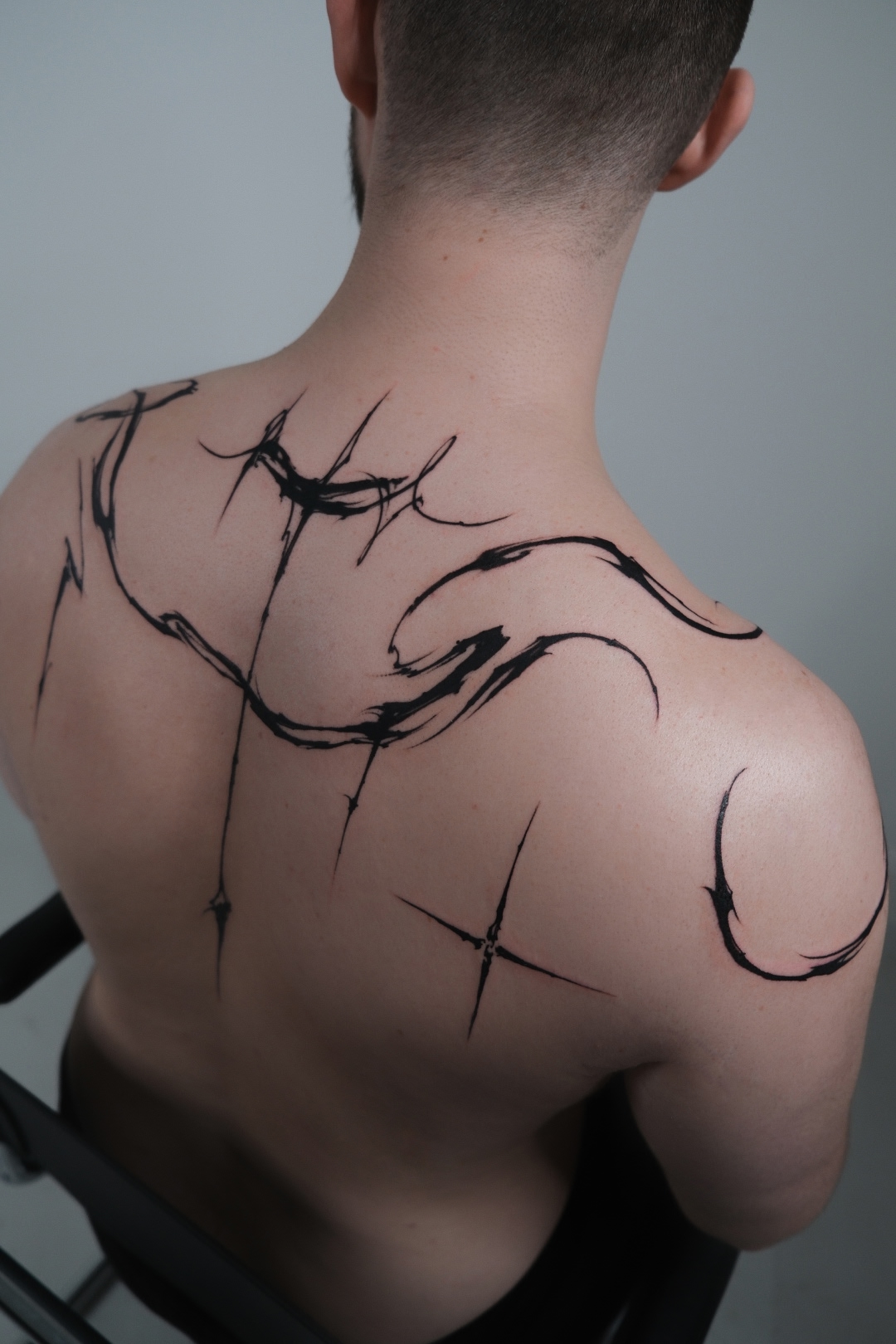
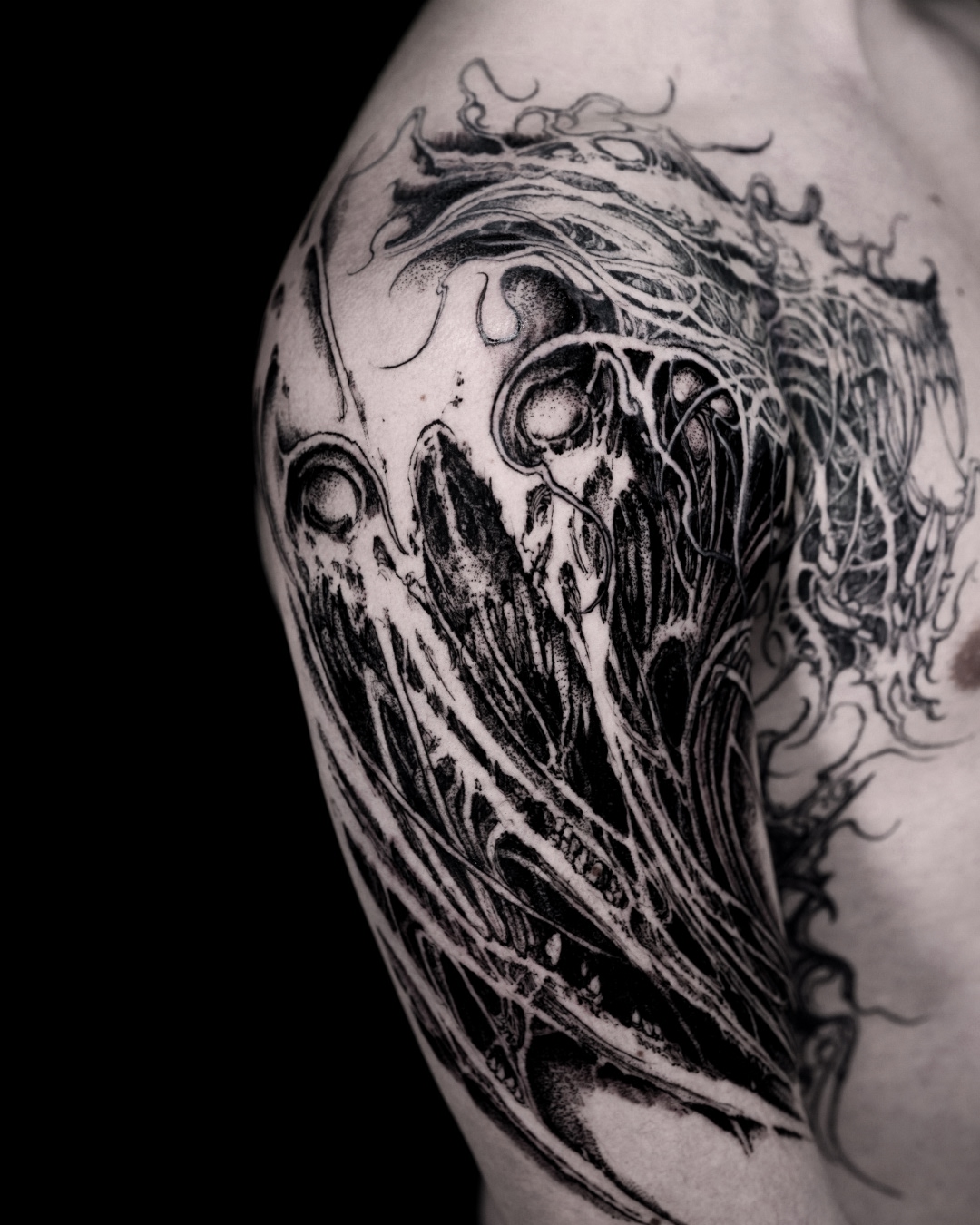
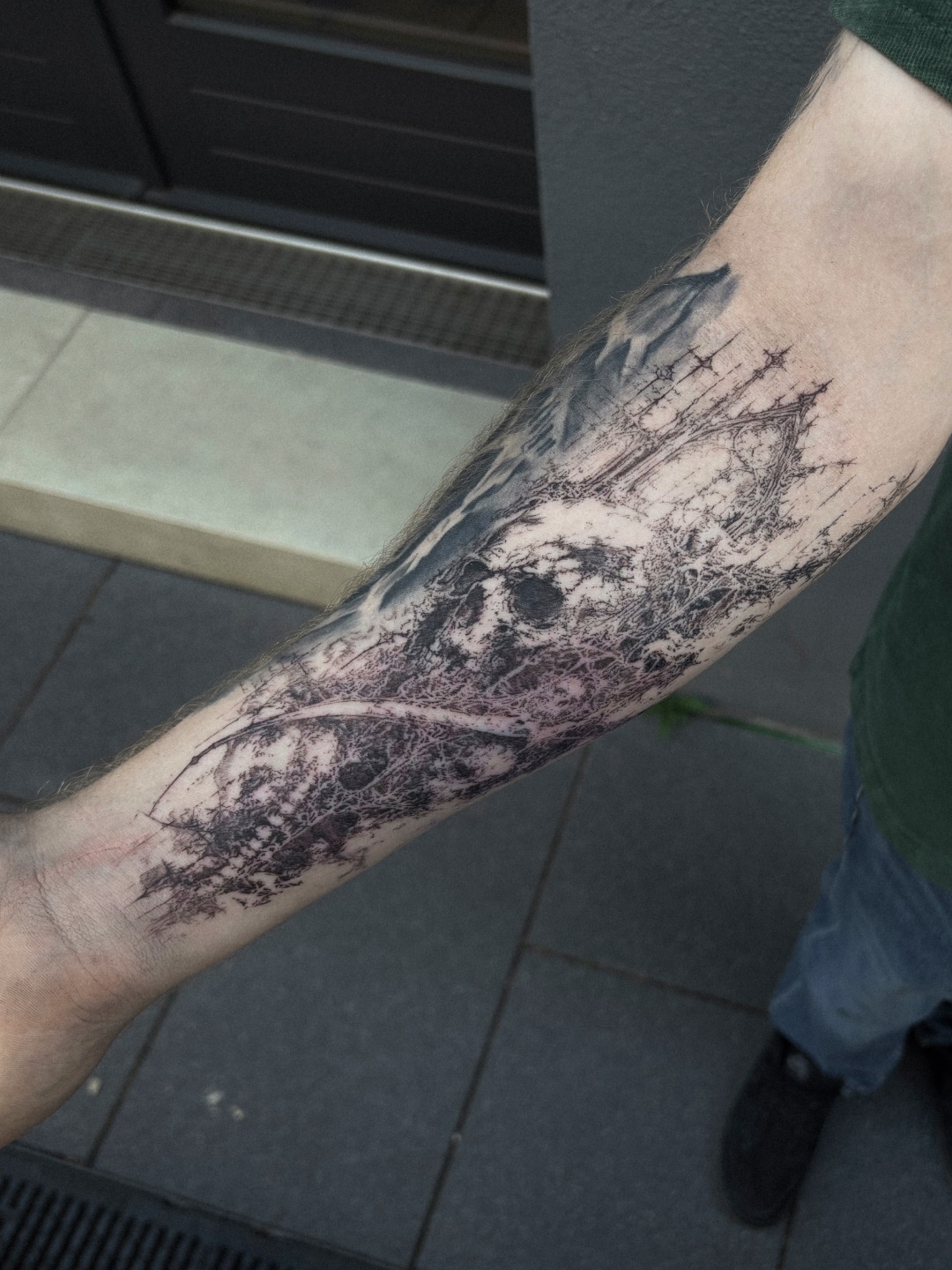
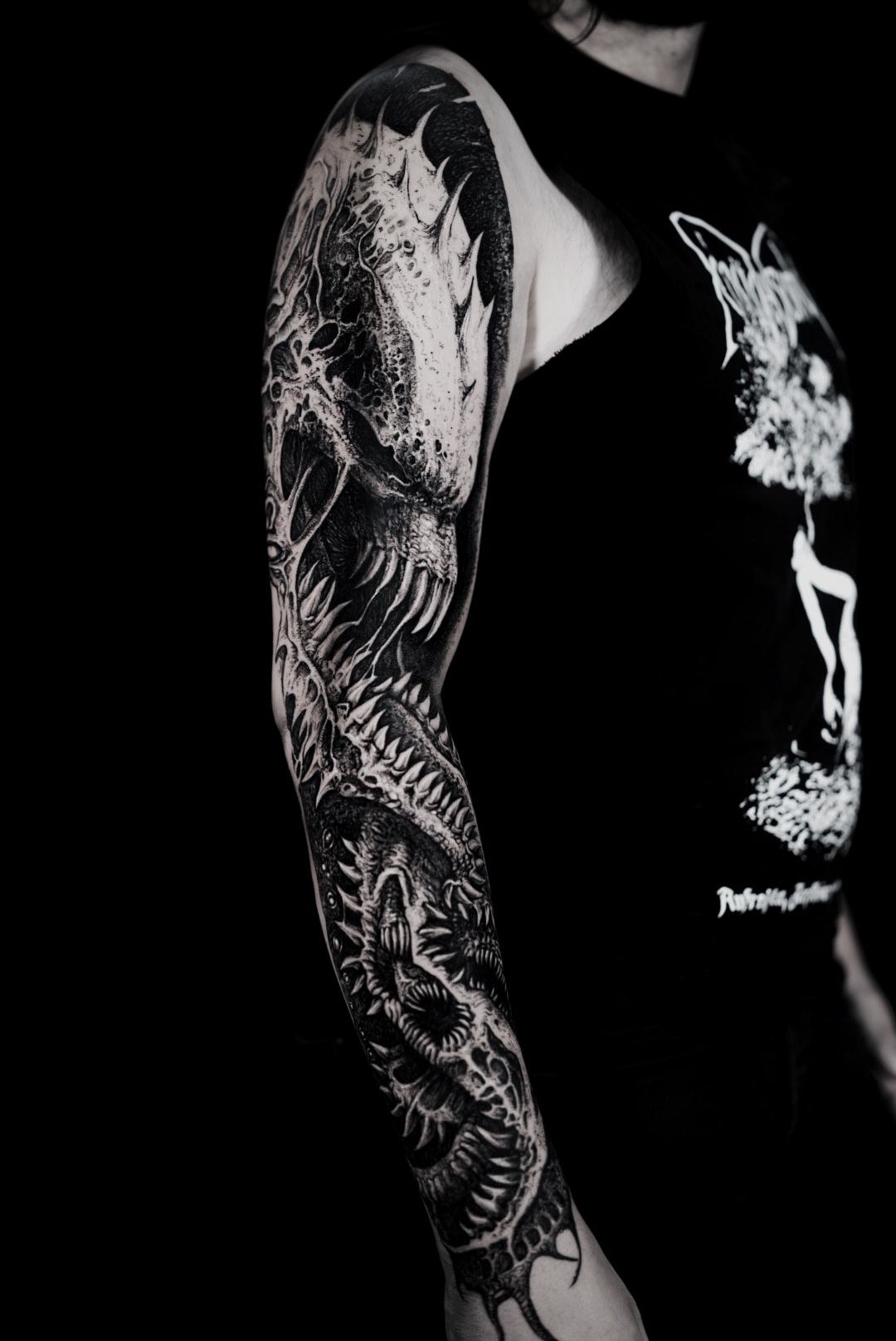
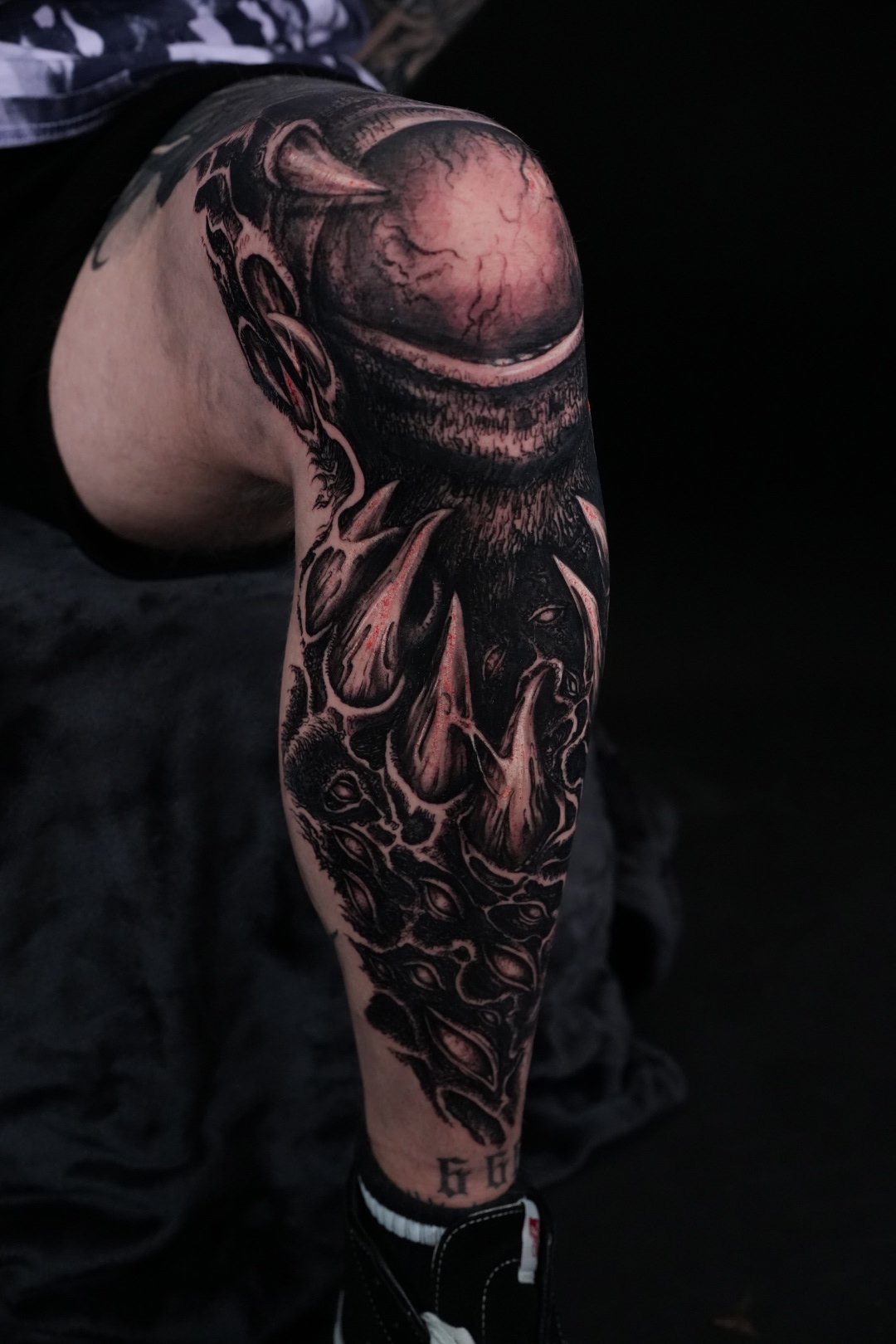
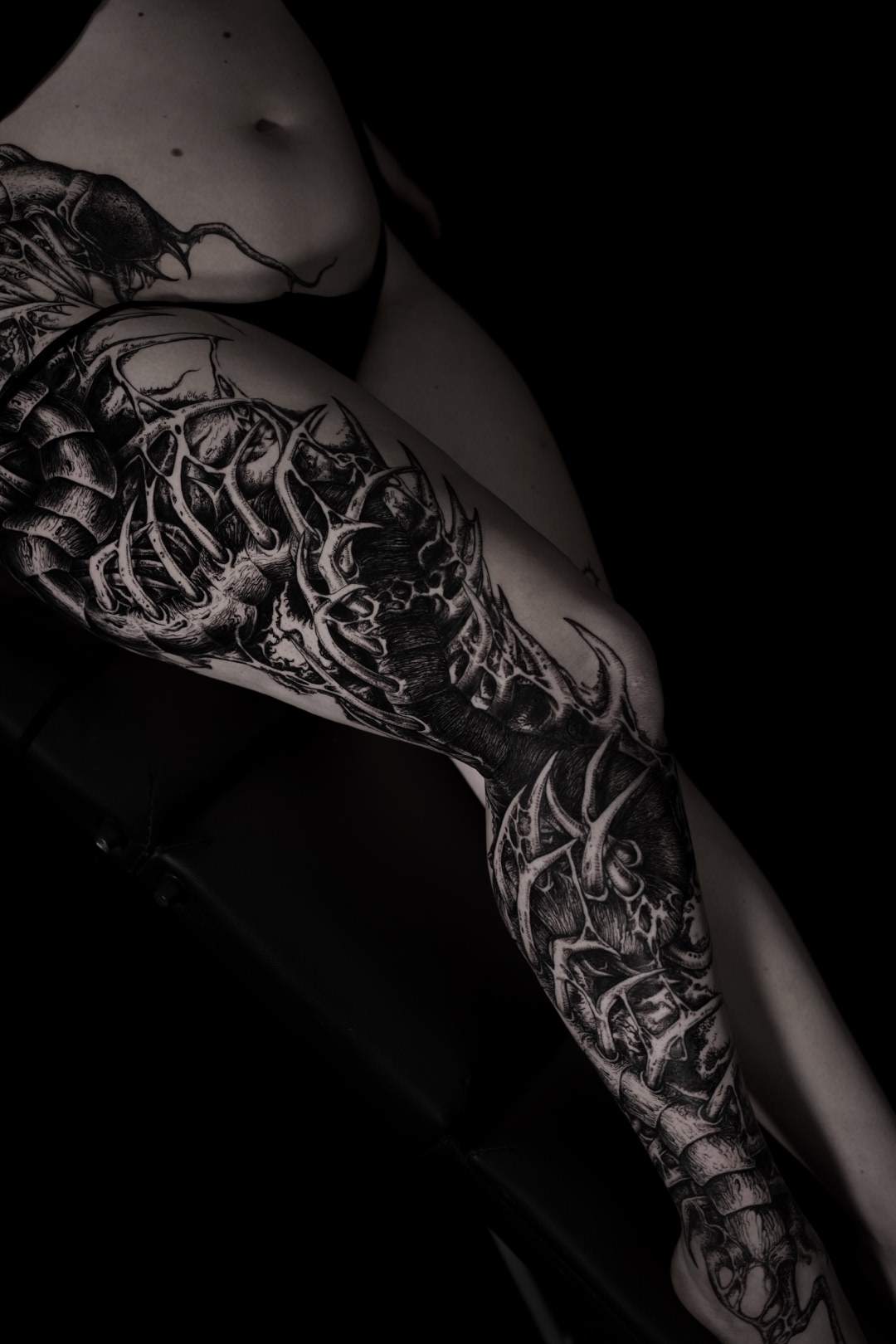
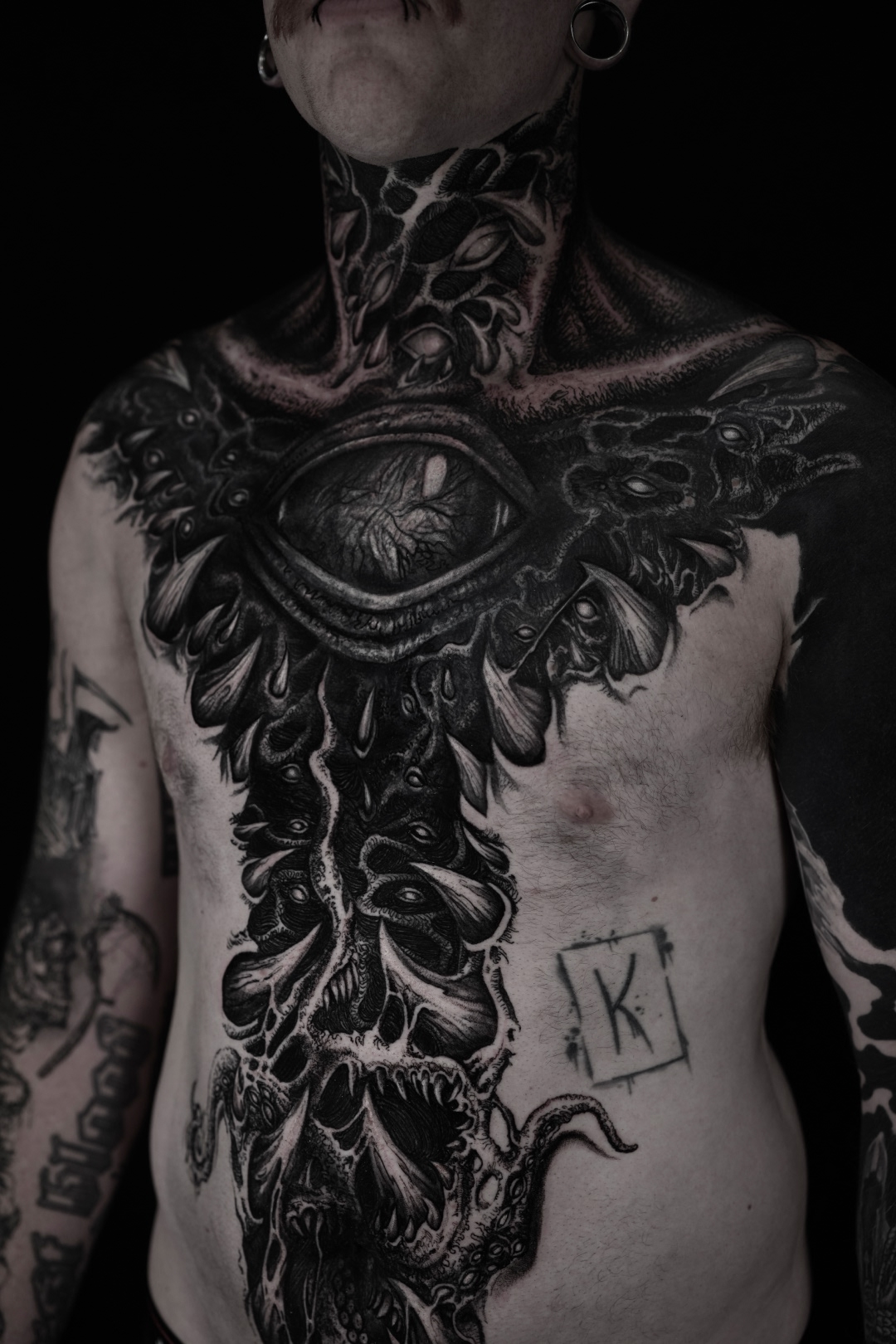
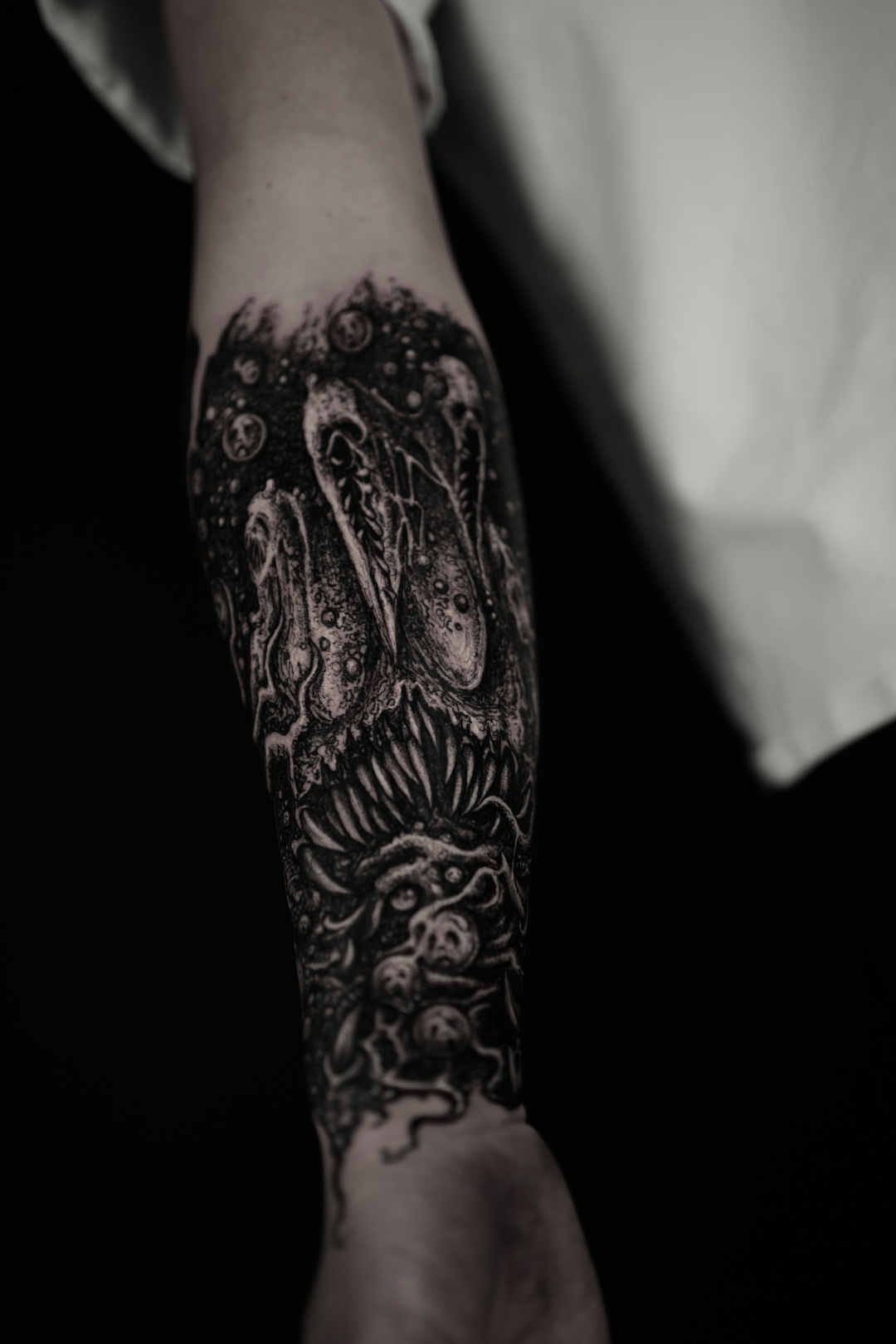
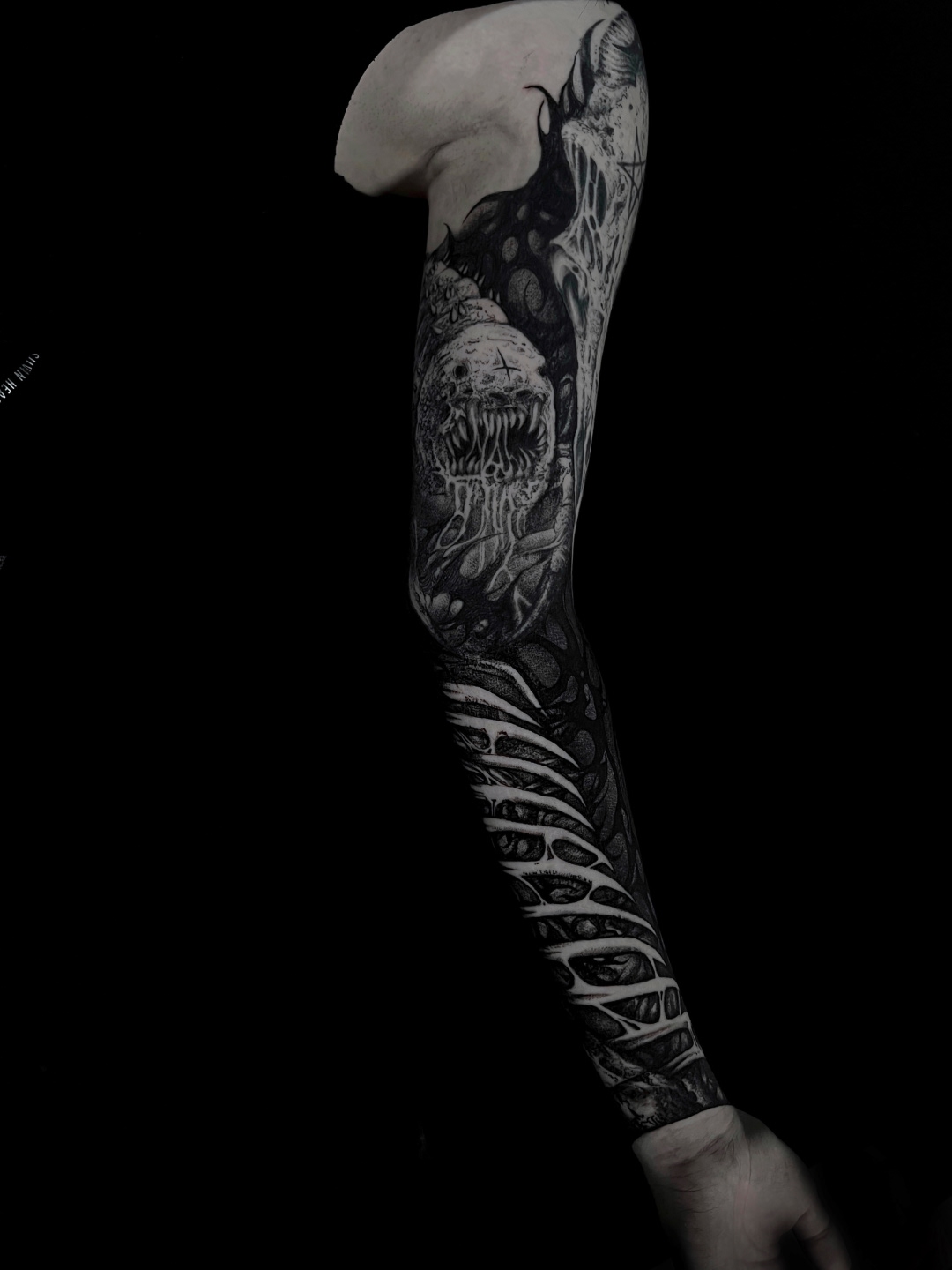
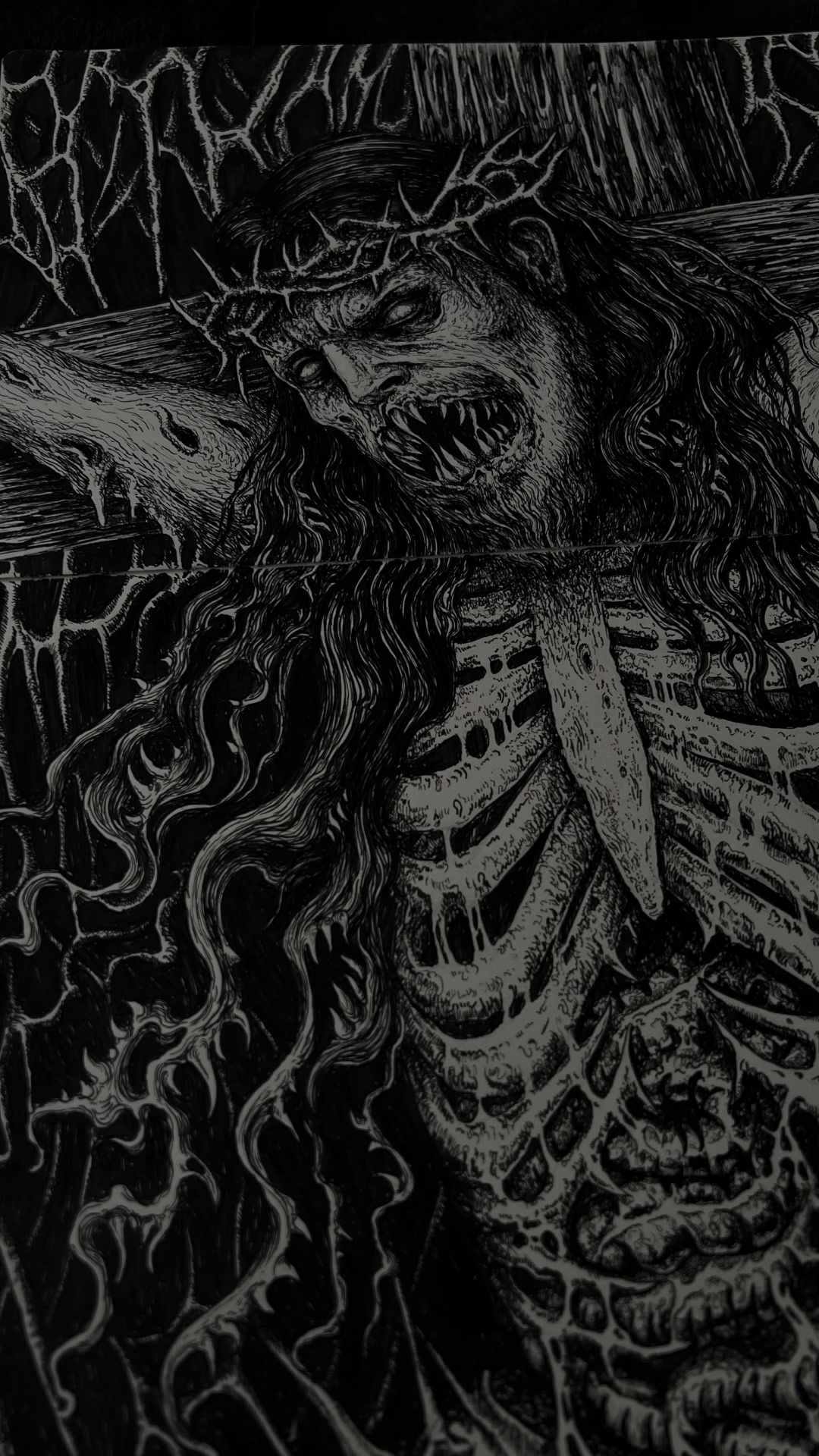
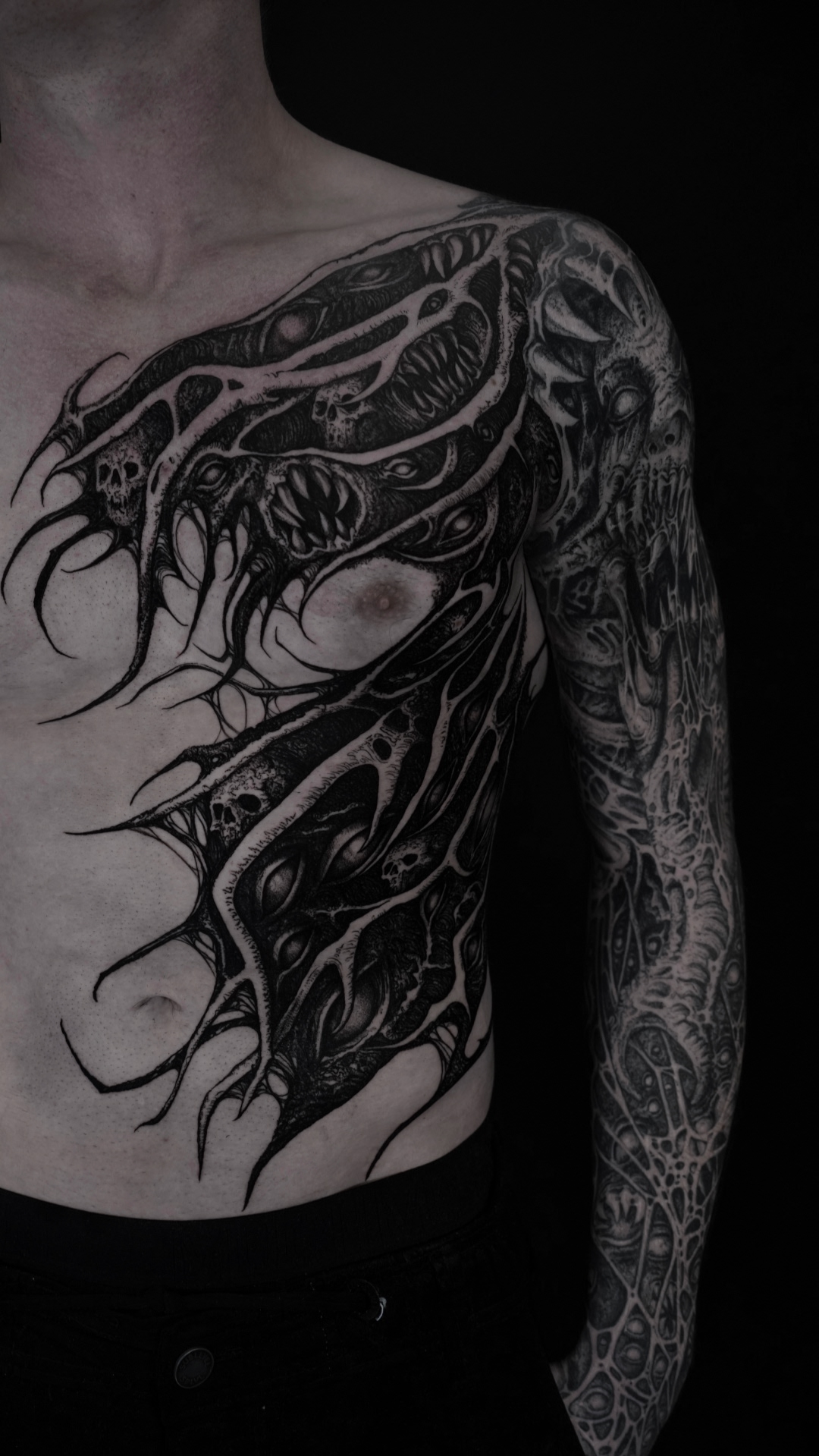
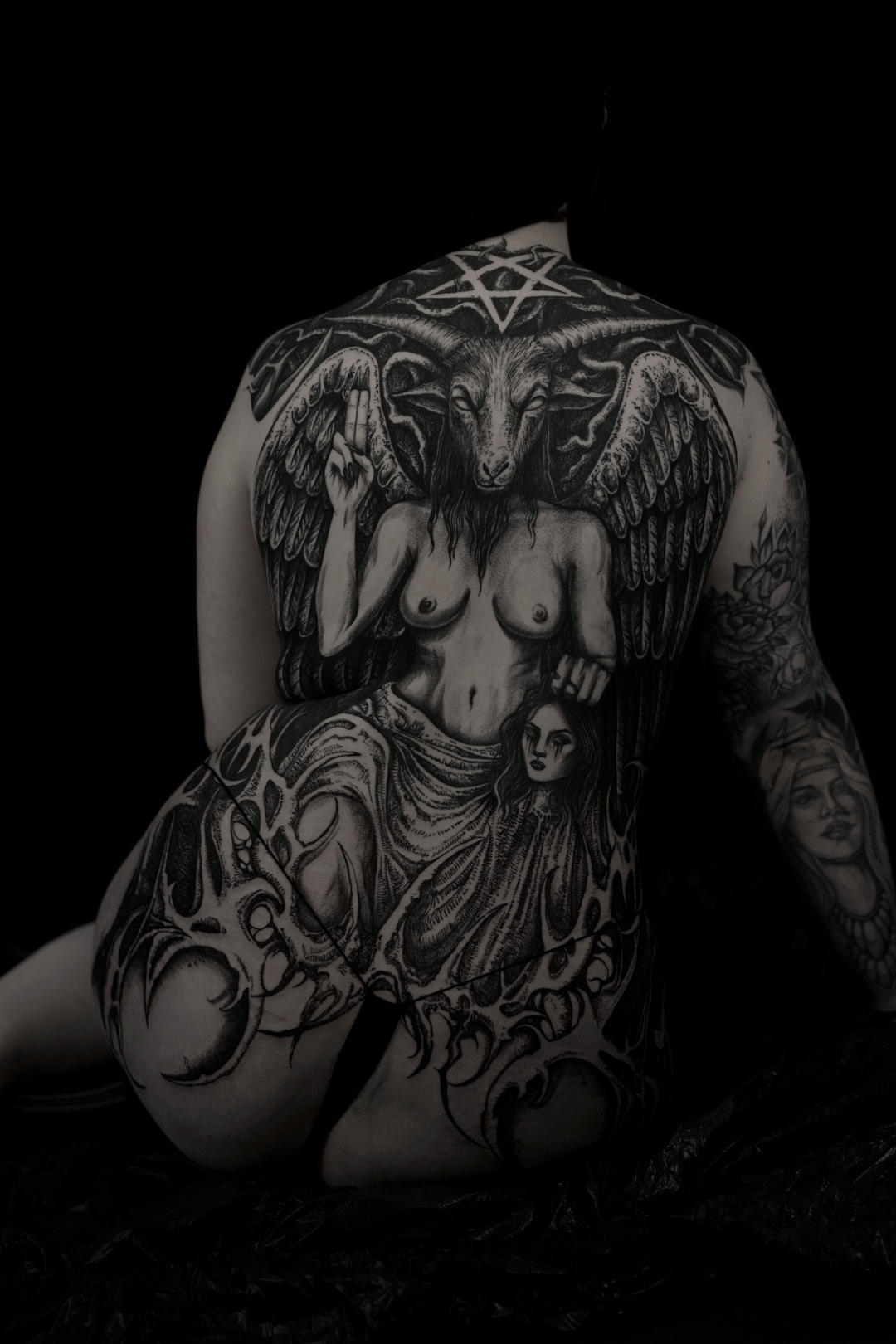
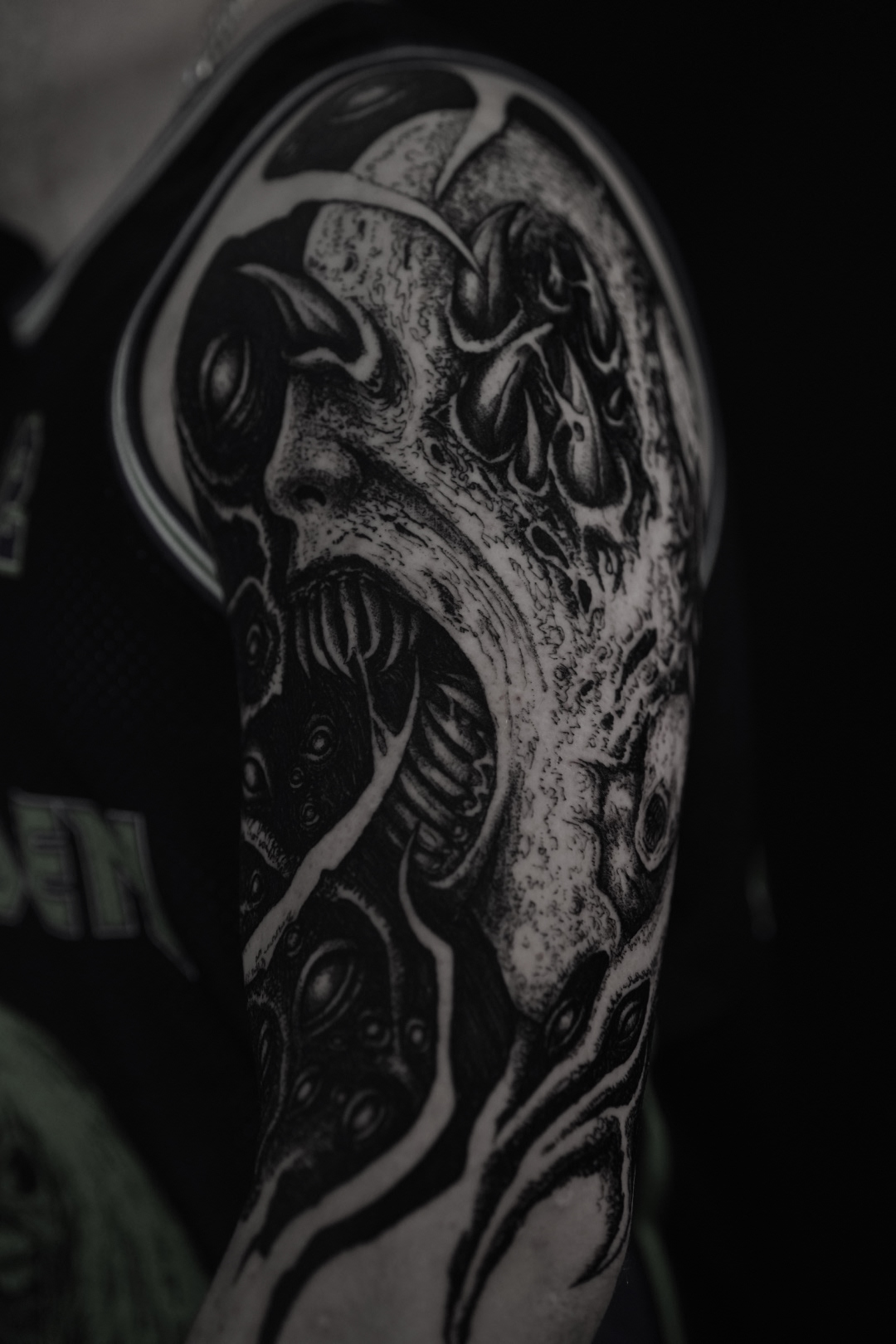
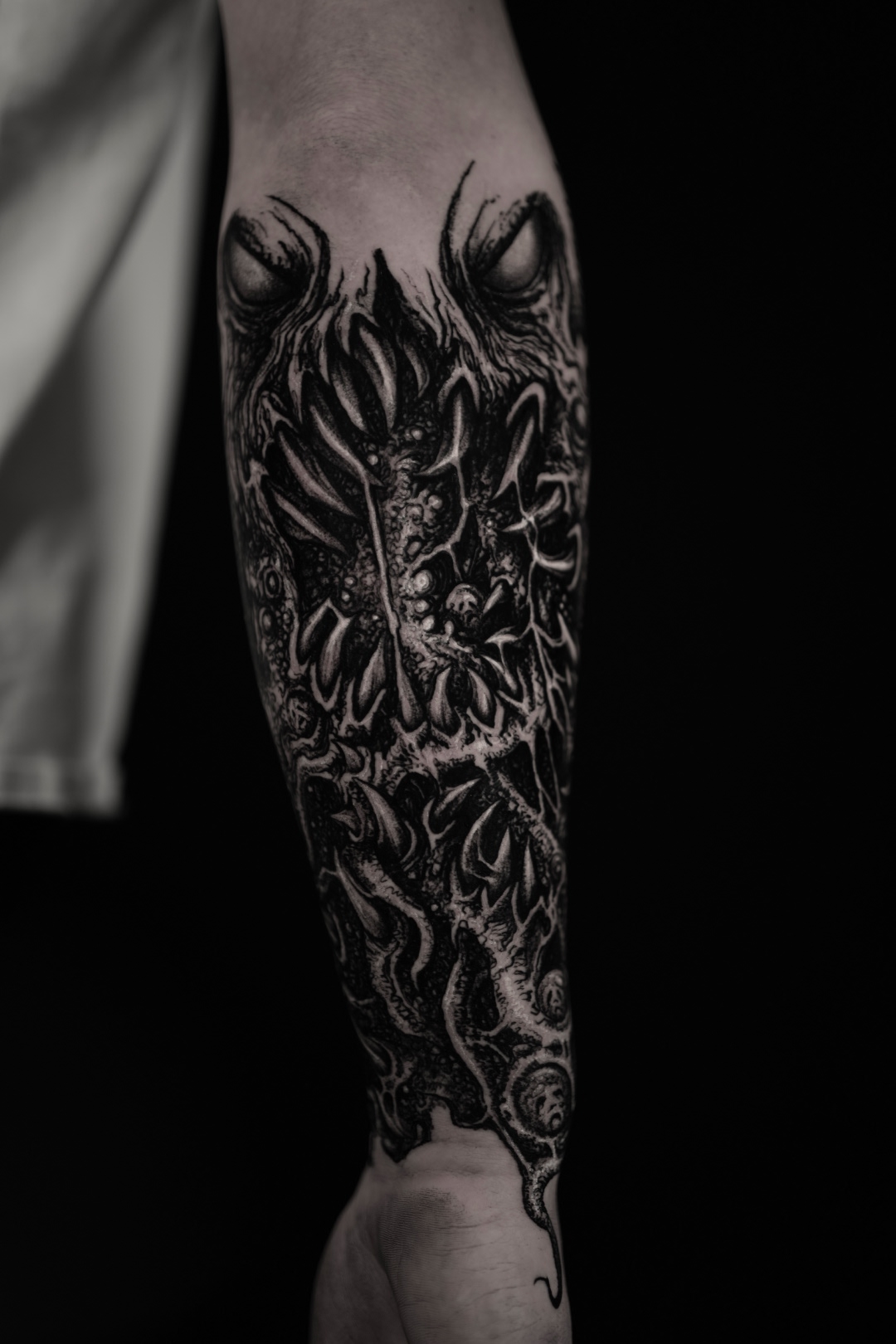
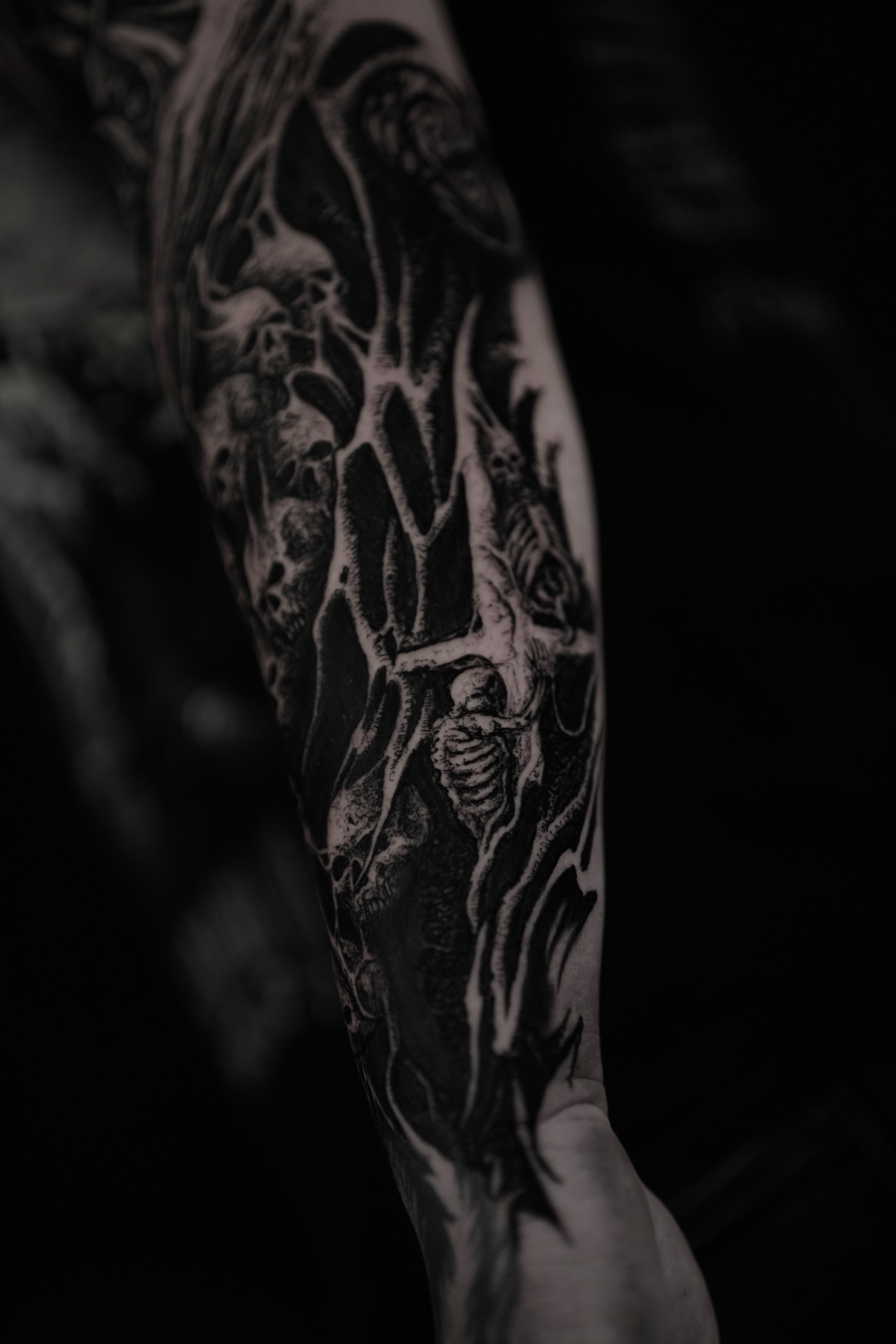
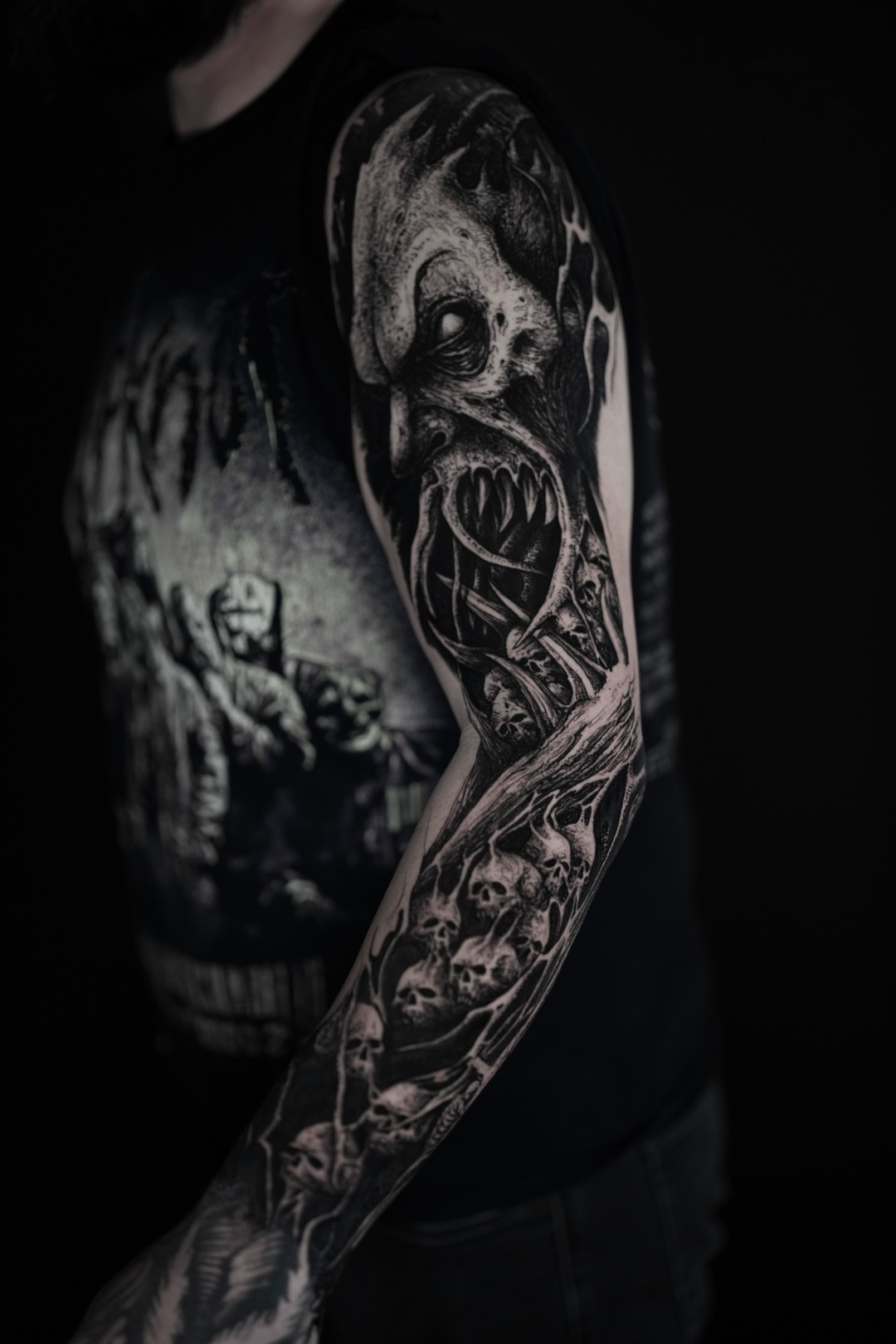
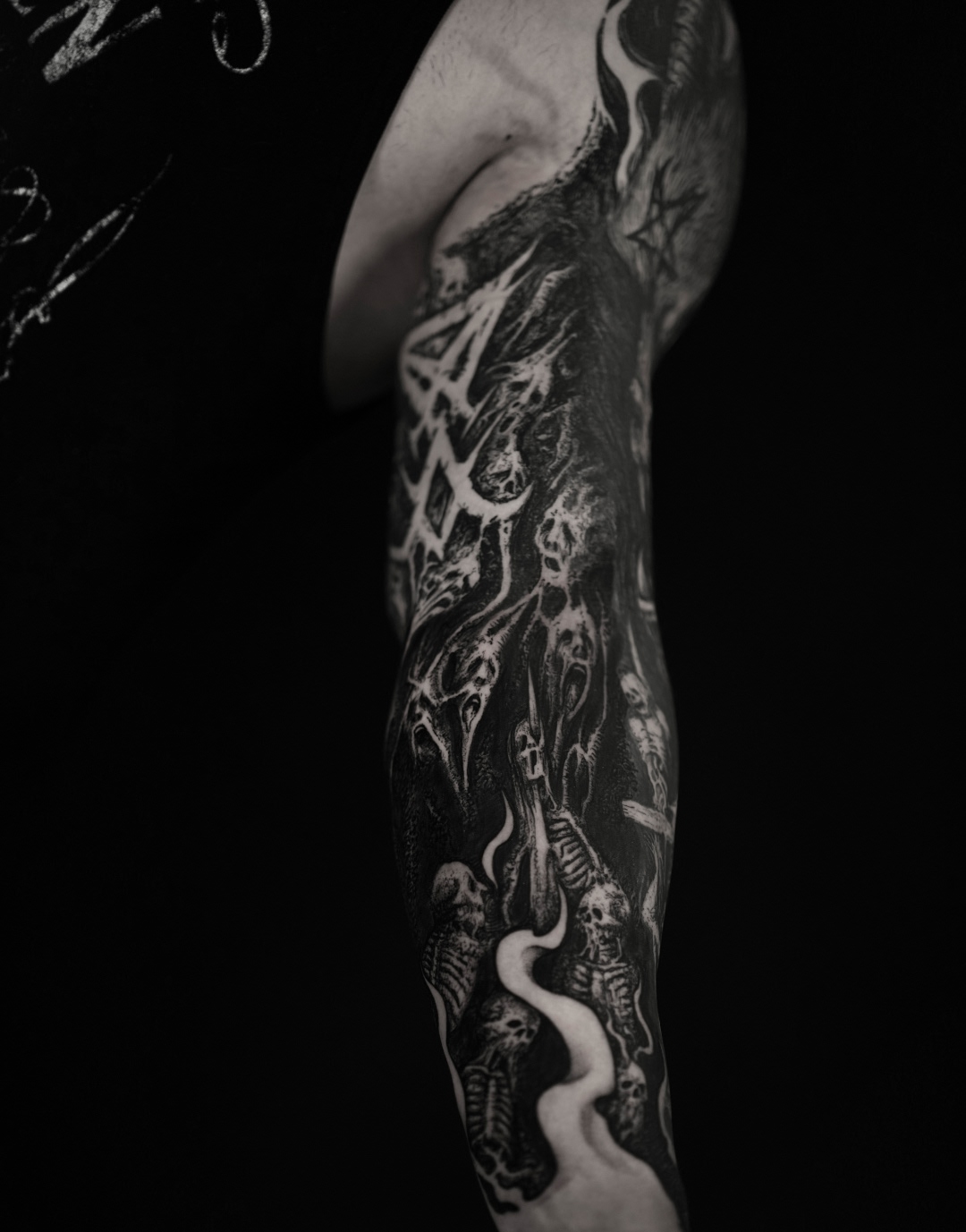
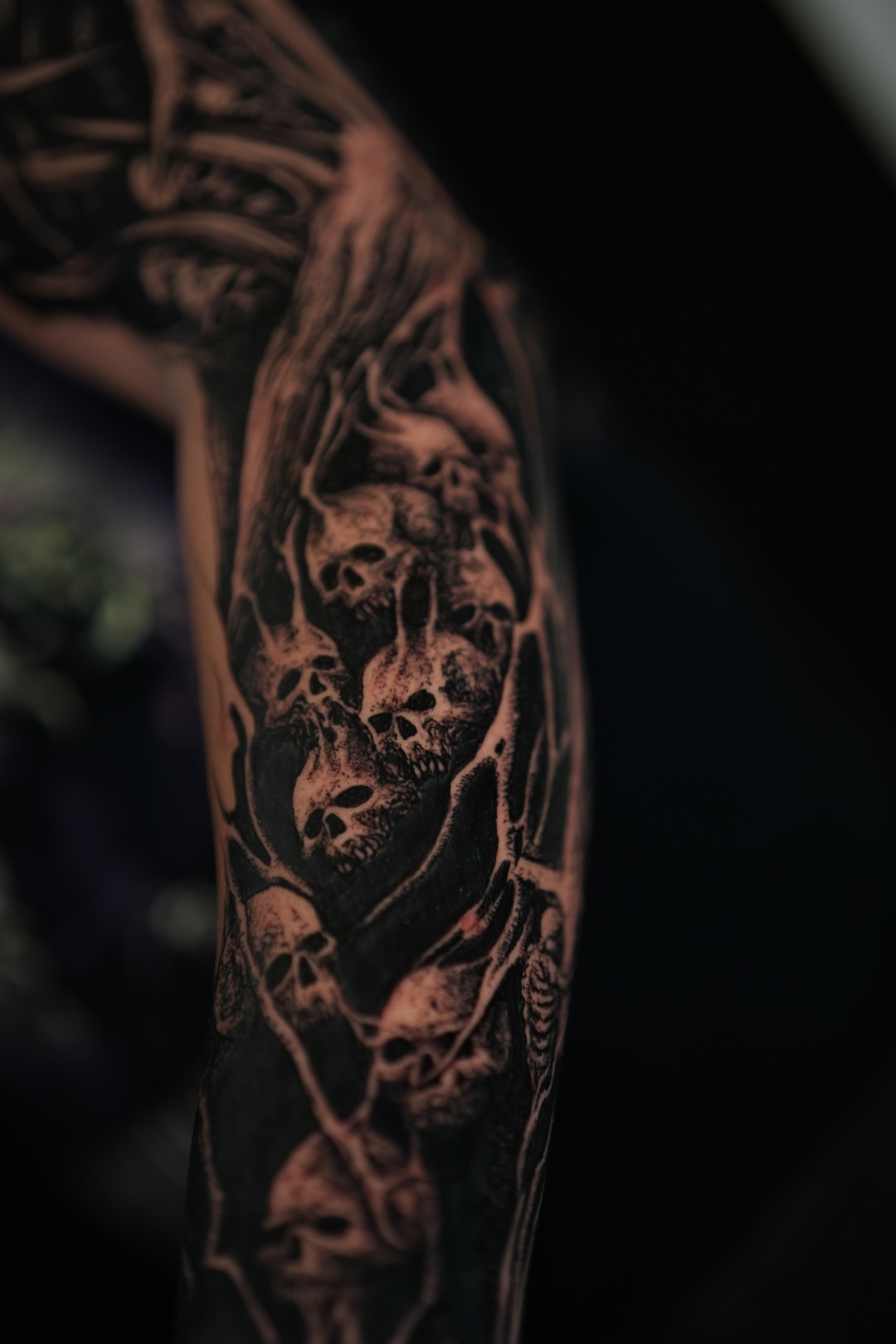
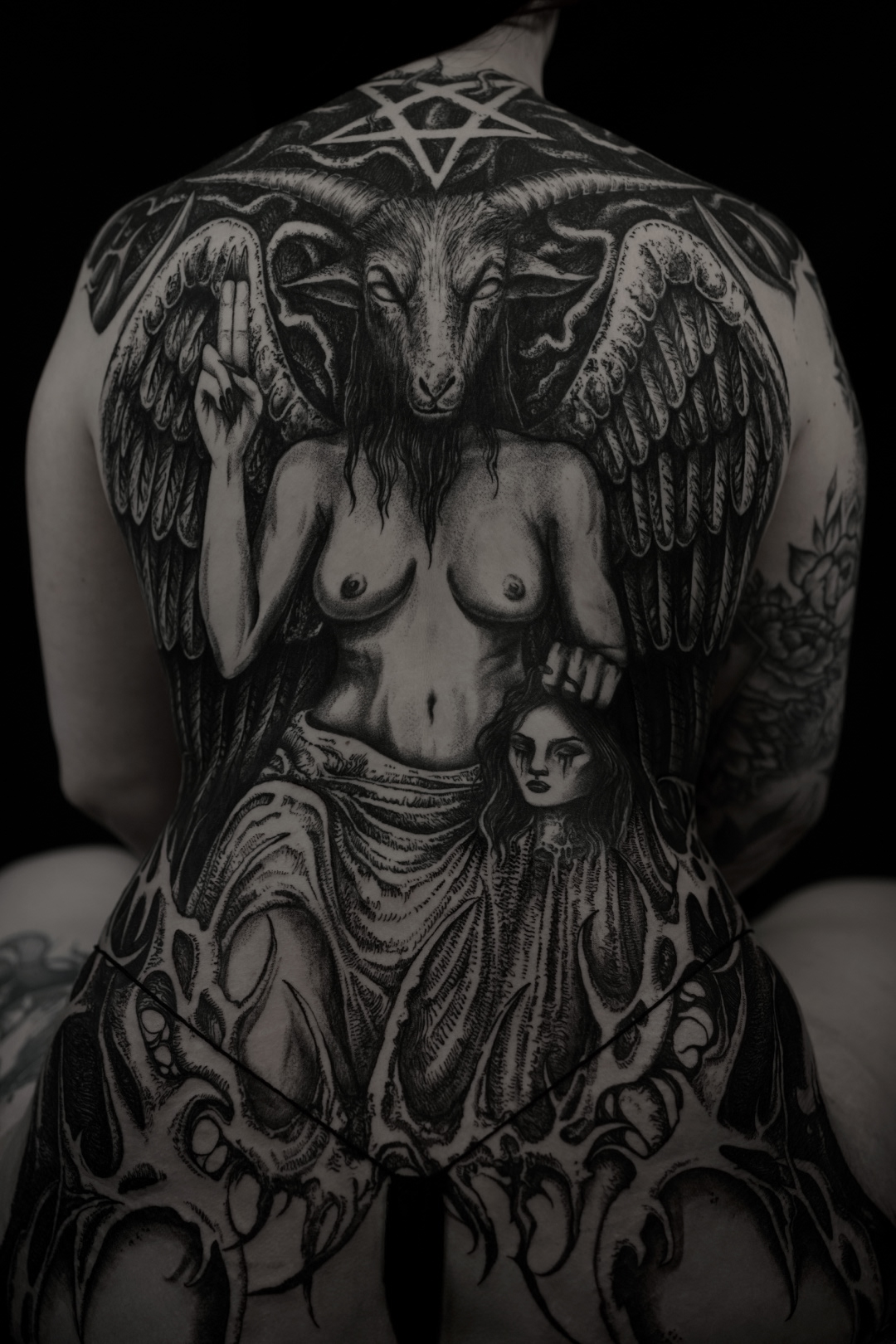
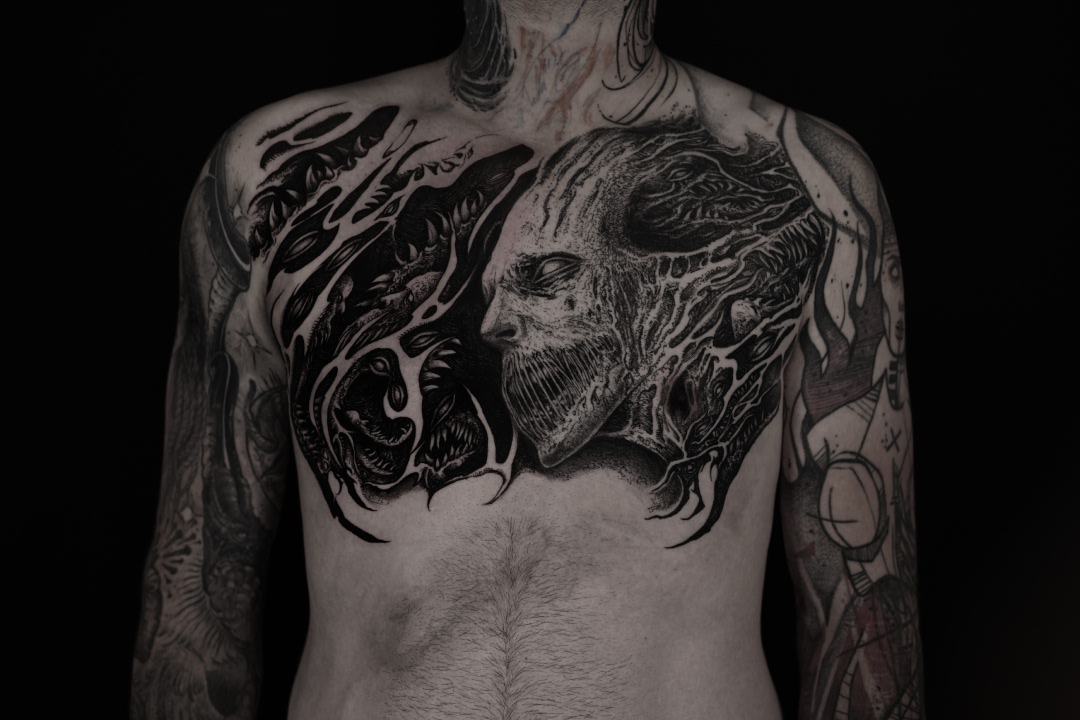
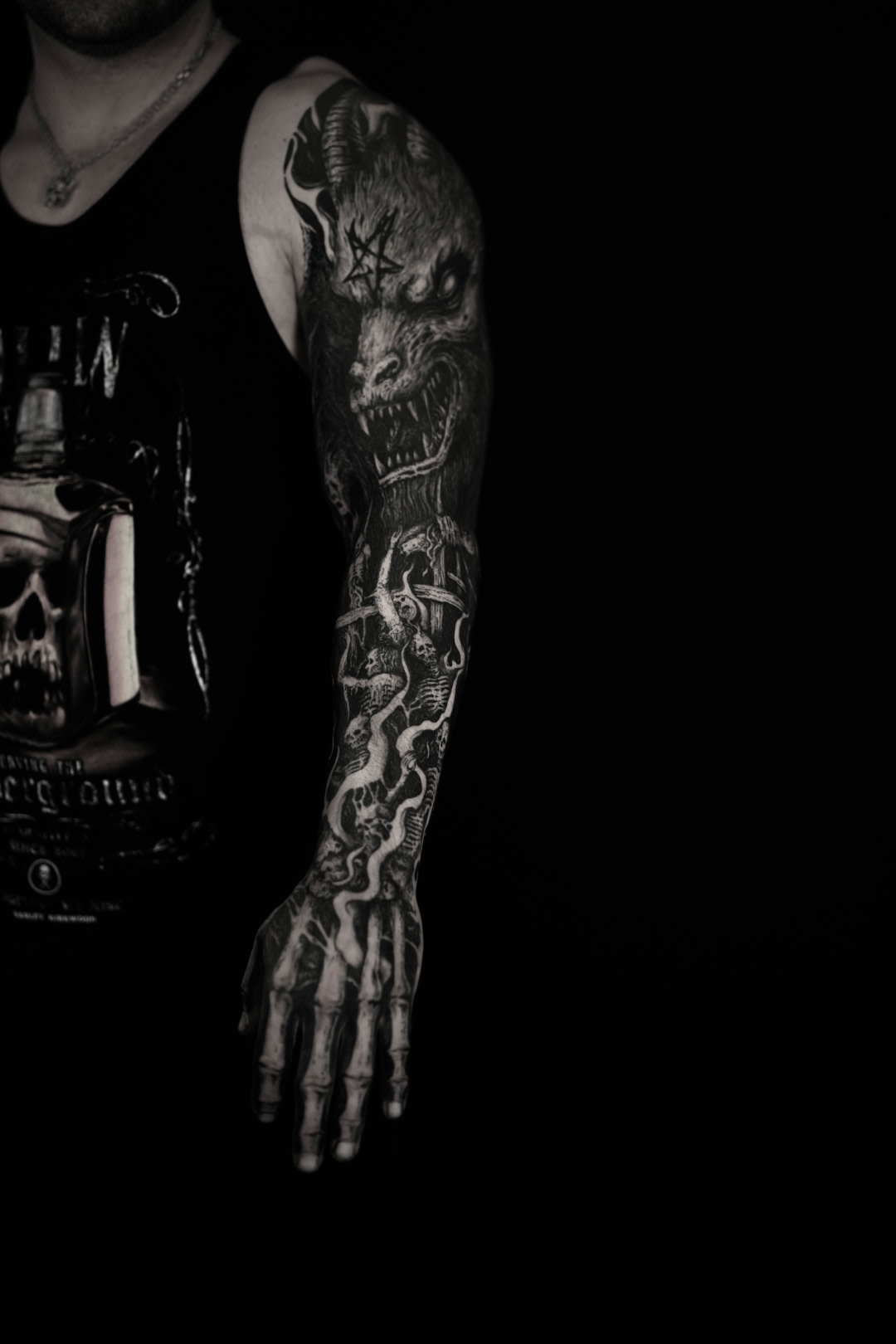
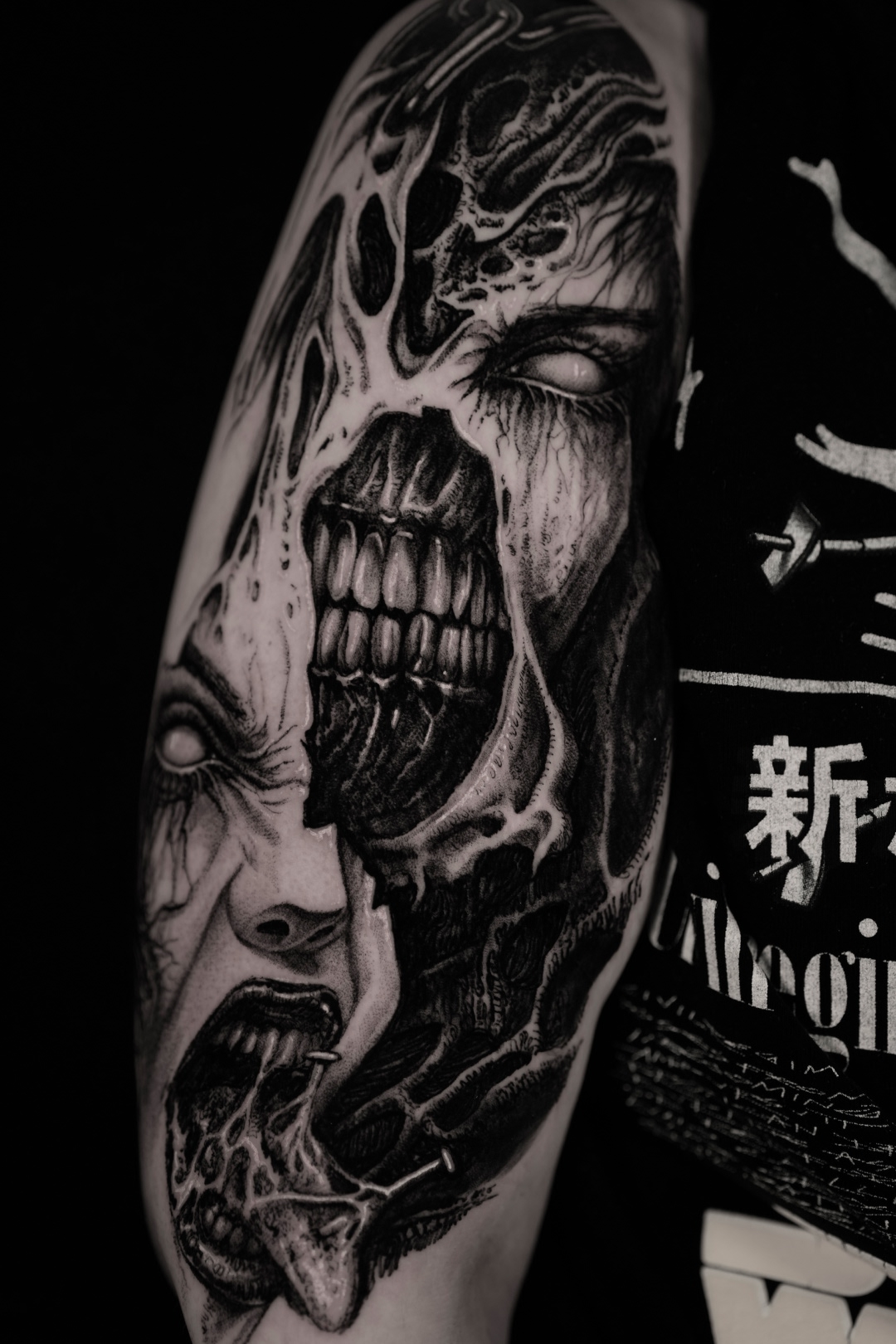
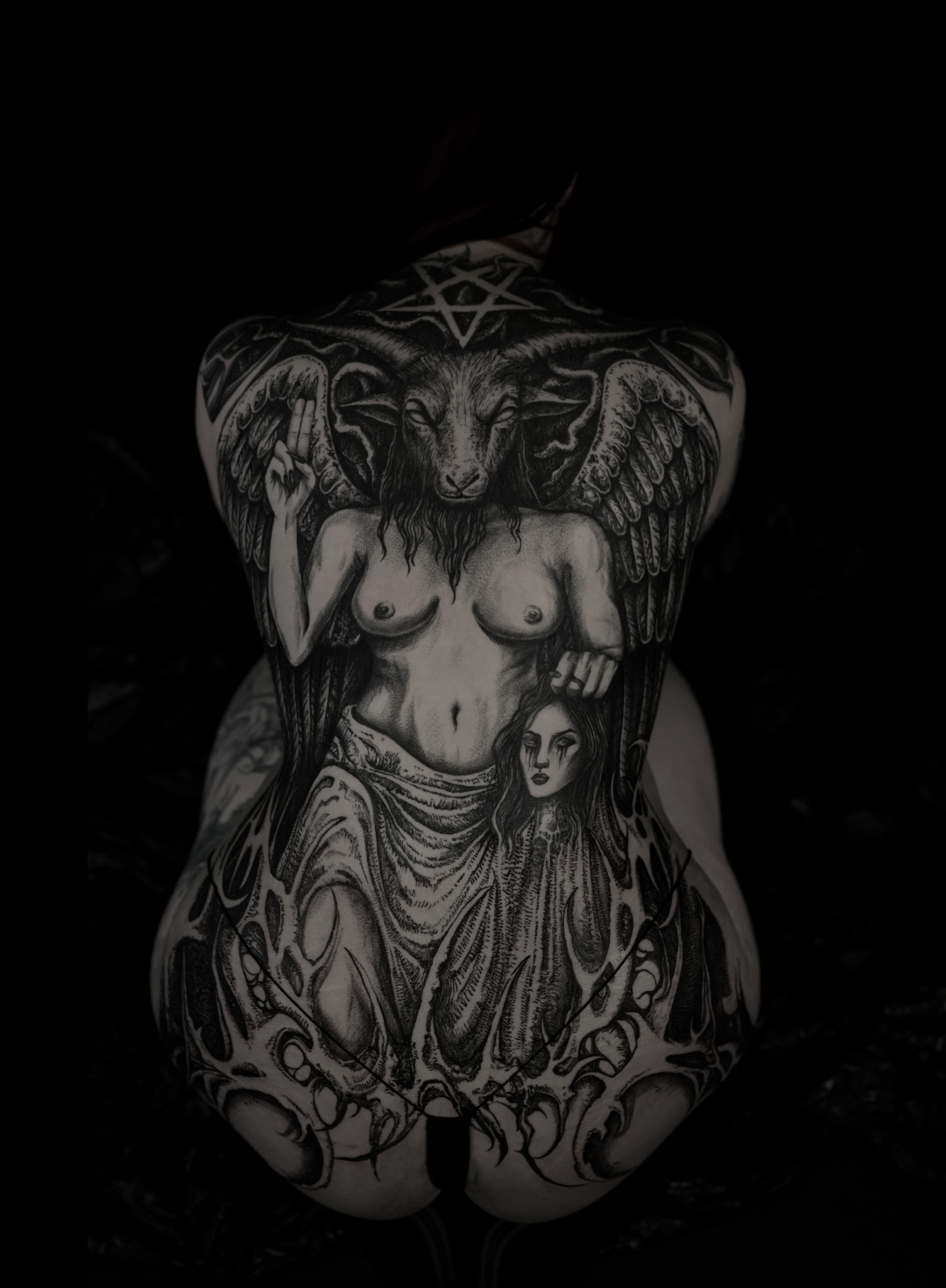
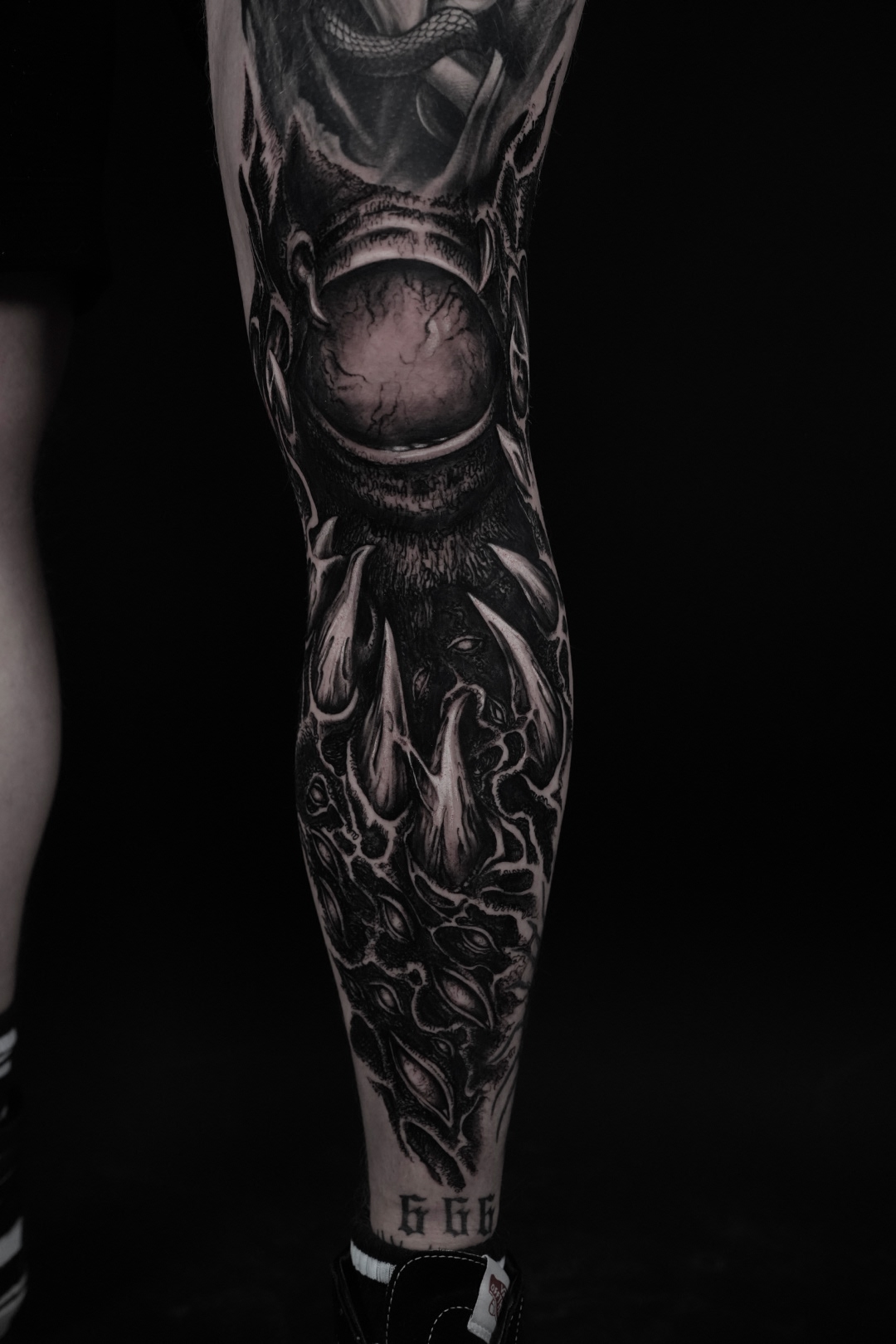
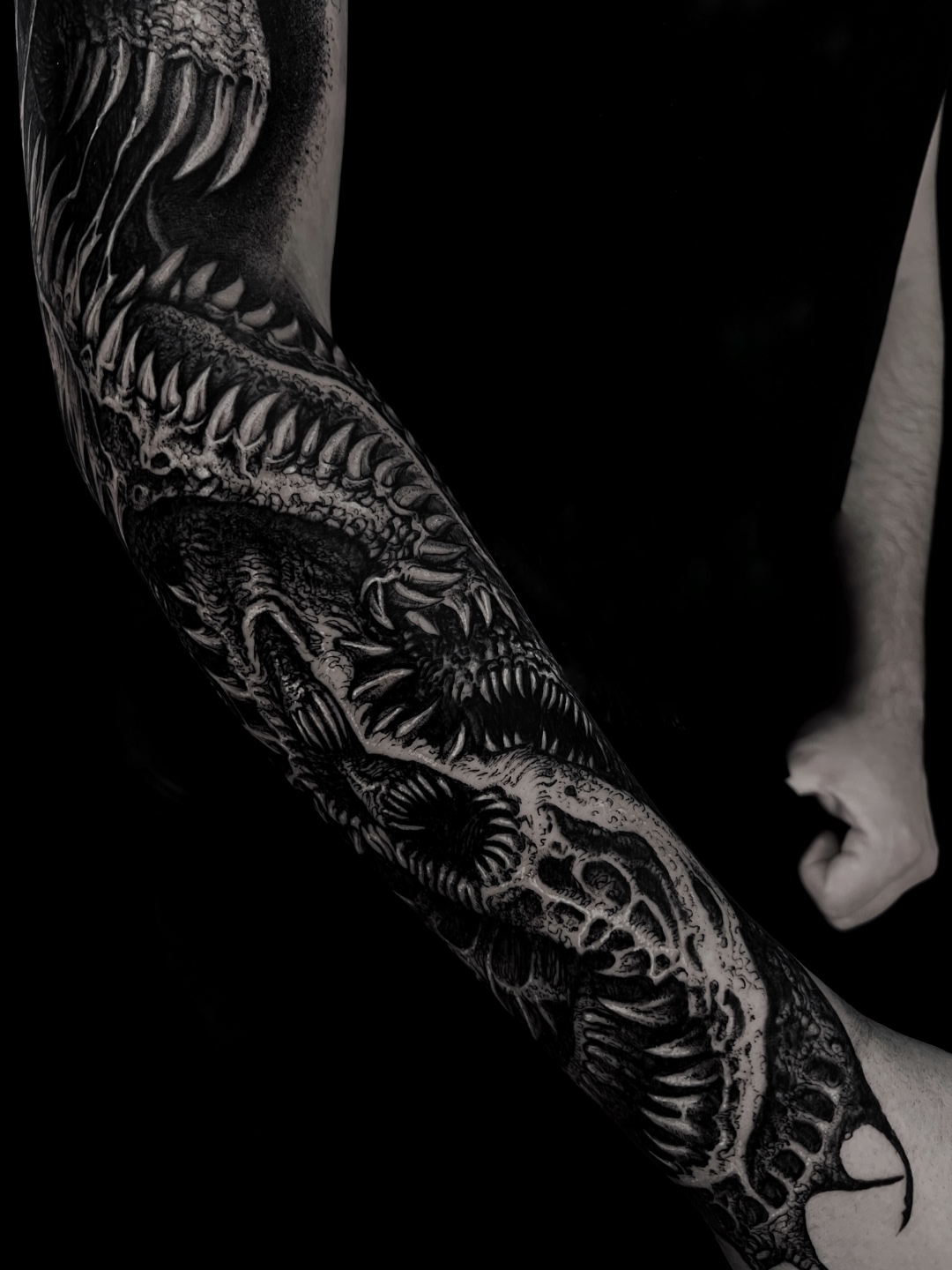
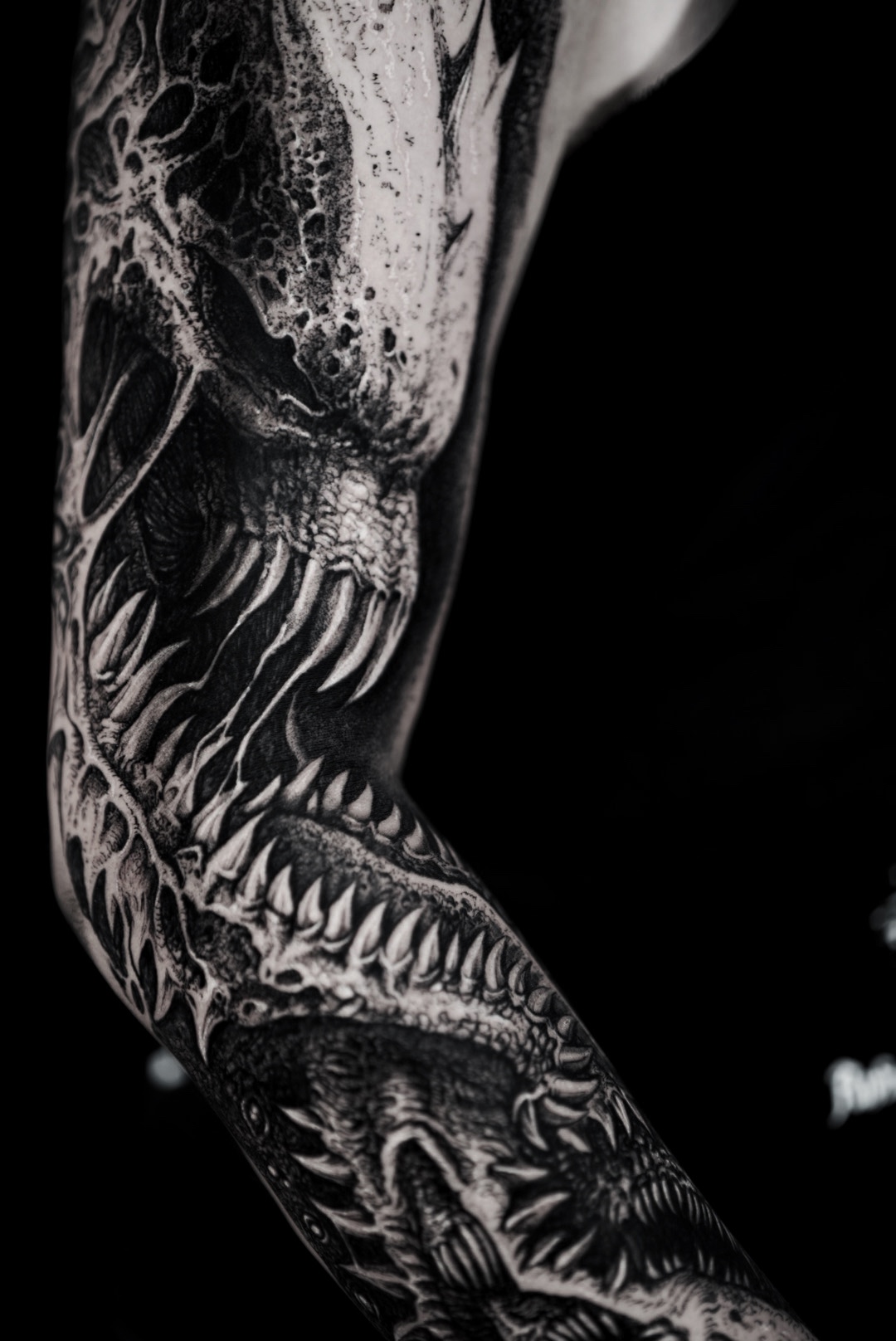
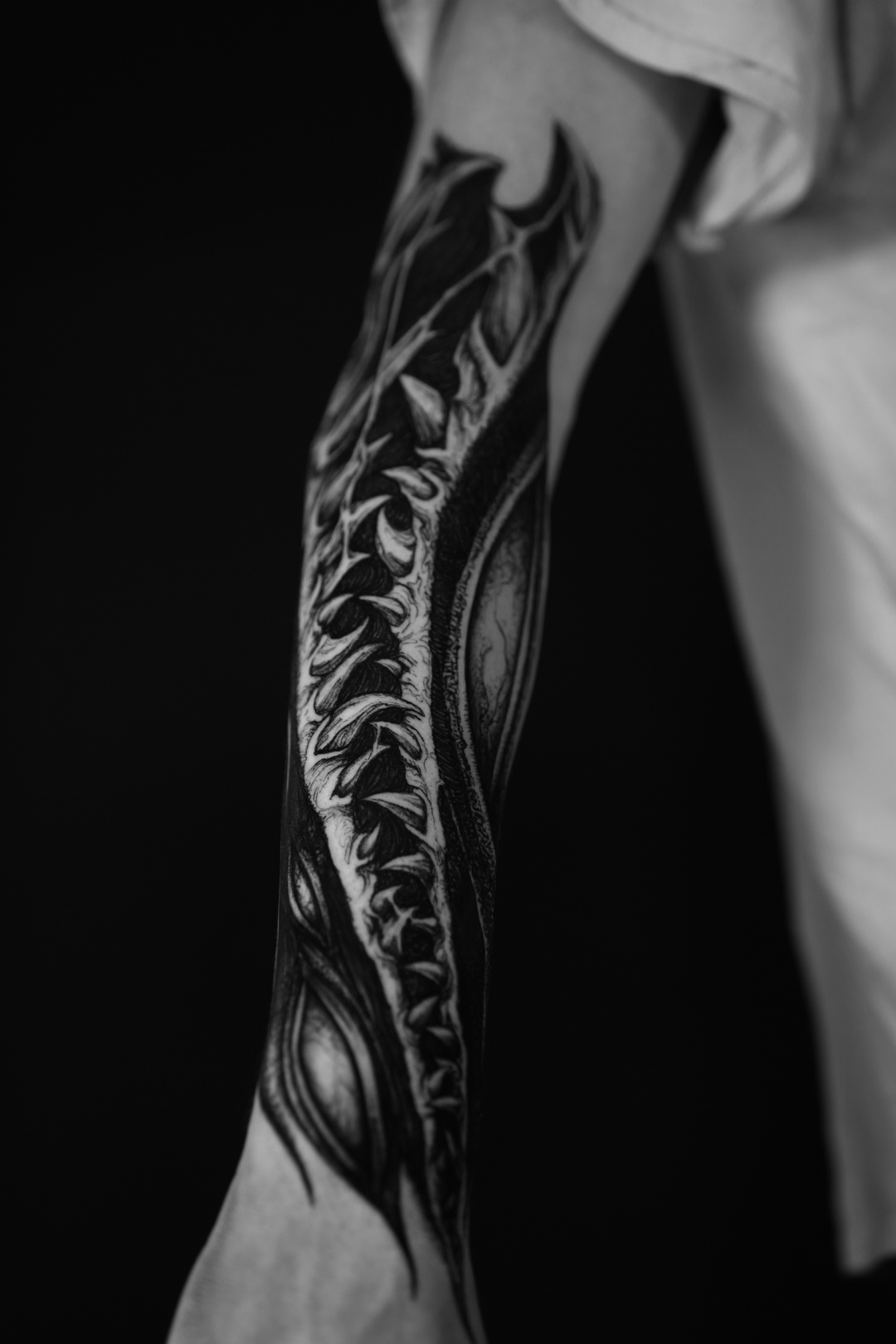
Horror tattoos can feel dark, surreal, physical or narrative without reproducing an existing movie scene or illustration. At Souls & Sinners, original visual worlds are developed from dark fantasy, surreal forms, creatures and atmospheric detail. Every piece is designed around the chosen body area. Anatomy, movement, contrast and negative space determine how a single subject or a larger horror composition develops across the body.
Style info
Details
1/3 Section
Atmosphere before cliché
Horror does not need to rely only on blood, monsters or shock. Tension can come from a stare, an unfamiliar silhouette, distorted anatomy, texture or the contrast between realistic and imagined forms. During consultation, we first define the atmosphere: threatening, surreal, raw, melancholic, biomechanical or dark-fantasy driven.
Original creatures and visual worlds
Inspiration may come from horror, mythology, dark fantasy, surrealism, games, cinema or personal ideas, but the goal is not to copy an existing character. Recognizable references can become a starting point and are then developed into an original visual language and composition.
Freehand as part of the process
Many horror projects benefit from freehand because larger organic forms can be adjusted directly to muscles, joints and movement. The drawing can be checked and changed on the body before tattooing begins. Freehand is a tool rather than a rule. Prepared drawings, stencils or a combination of methods may be more appropriate for some projects.
From a single piece to body art
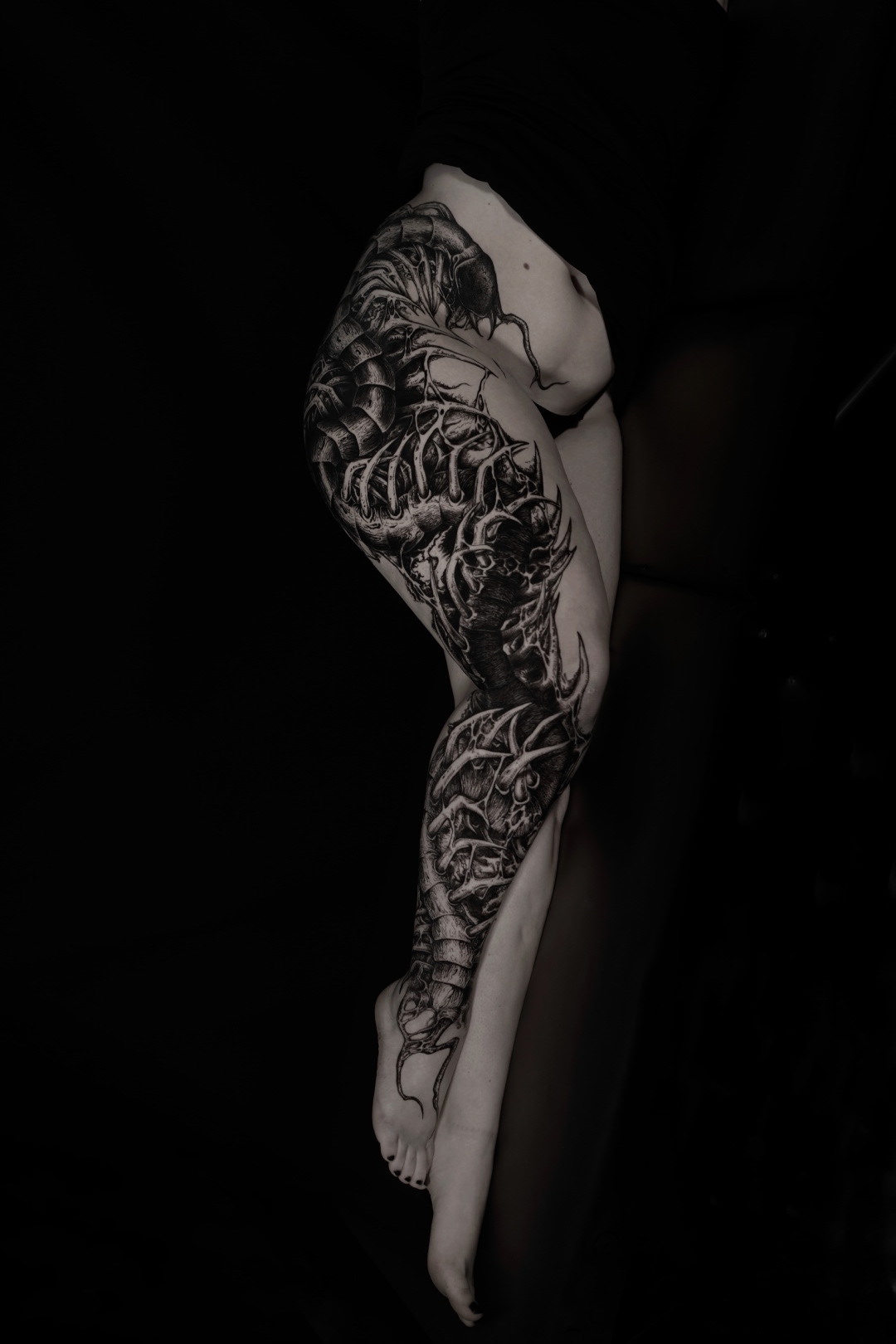
A horror tattoo can work as one image or become part of a larger structure. Sleeves, back pieces, chest-to-neck transitions or leg projects require connection points and open areas to be considered early. If future expansion is important, it should be included in the first composition.
Not the same as Dark Organic
Horror can use recognizable creatures, faces, body parts, scenes and dark-fantasy imagery. Dark Organic focuses more strongly on abstract structures, textures and biomorphic forms without needing to depict a specific creature. The two can overlap, but their visual intention is different.
Custom instead of copied
References help define atmosphere, detail and direction. They are not reproduced one-to-one. The final tattoo is developed as original work for your anatomy, desired effect and possible future expansion.
Häufig gestellte Fragen
Fragen
2/5 Abschnitt
Which subjects work well for a horror tattoo?
Creatures, dark-fantasy figures, surreal anatomy, eyes, teeth, bones, biomechanical details and atmospheric scenes can all work. The desired effect matters more than a fixed list of motifs.
What does freehand mean in horror tattooing?
Part or all of the composition is drawn directly on the body, allowing flow, transitions and proportion to be adjusted to anatomy and movement.
How large should a horror tattoo be?
It depends on detail and visual impact. A single element can work at a smaller scale, while complex scenes and organic transitions need more space.
How much does a custom horror tattoo cost?
At Souls & Sinners, most tattoos are priced by project rather than strictly by the hour. Scale, complexity, placement and the expected number of sessions are considered in the individual quote.
Can a horror tattoo be expanded later?
Yes, when future areas and connection points are considered from the start. Tell us early if you are thinking about a sleeve, back piece or larger body composition.
Gallery
Work examples
3/5 Abschnitt
Beispiel für Arbeiten
Stil & Künstler
Artists
4/5 Abschnitt
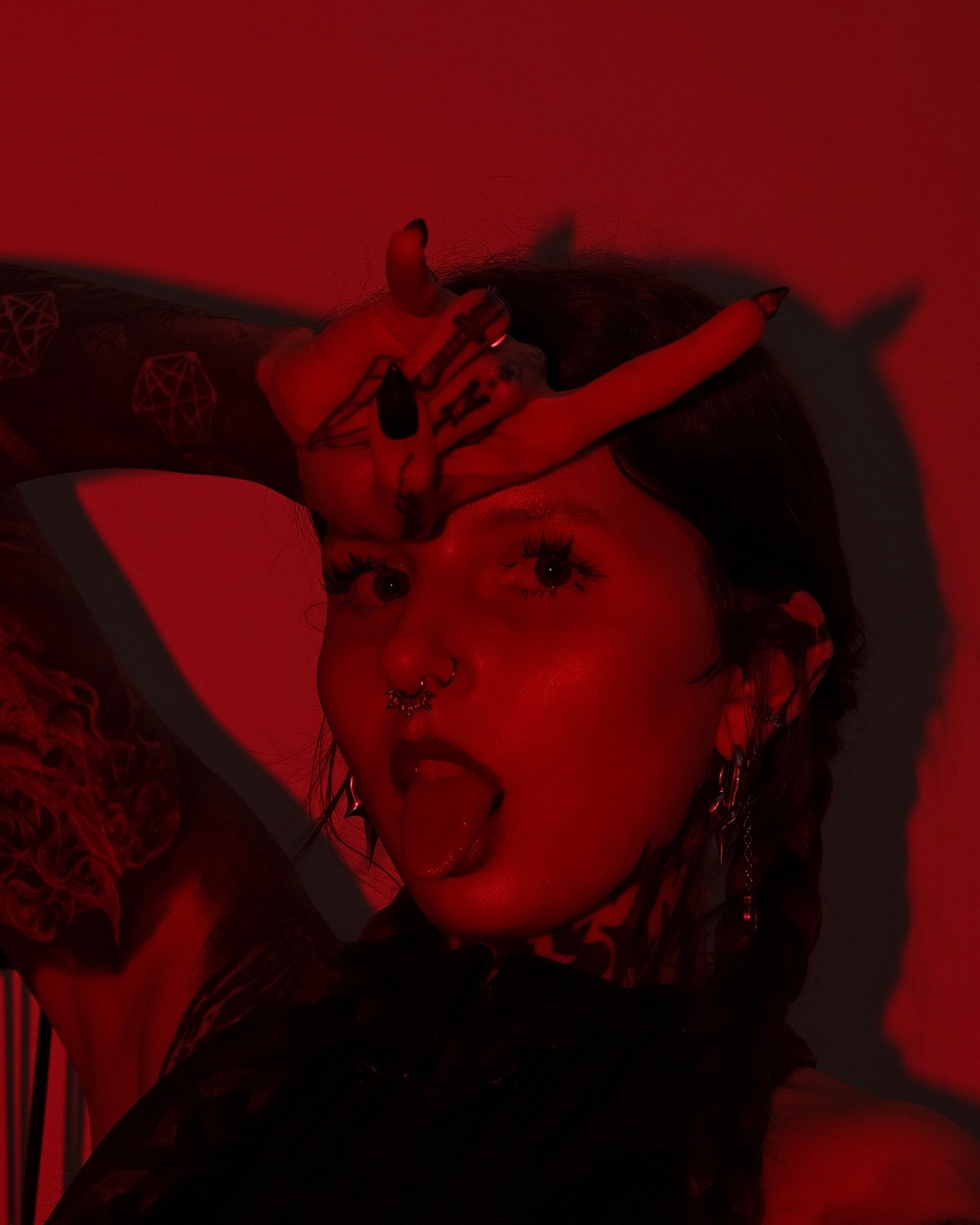
st_mar1a
Instagram ->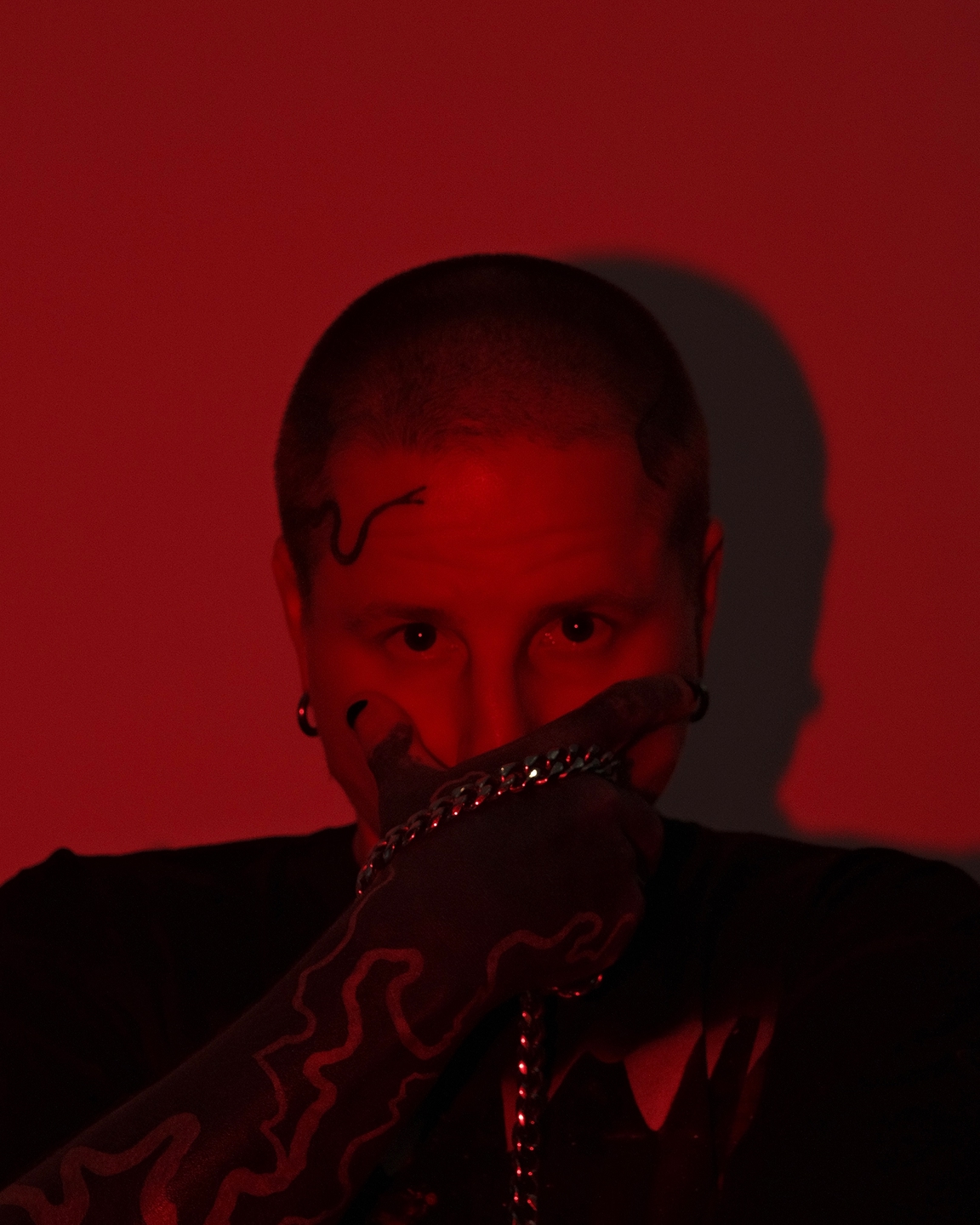
FALIN
Instagram ->Kultur
Other styles
Specializations
3/3 Section