Abstract Body Composition Tattoos in Frankfurt
in Frankfurt
Abstract Body Composition Tattoos in Frankfurt
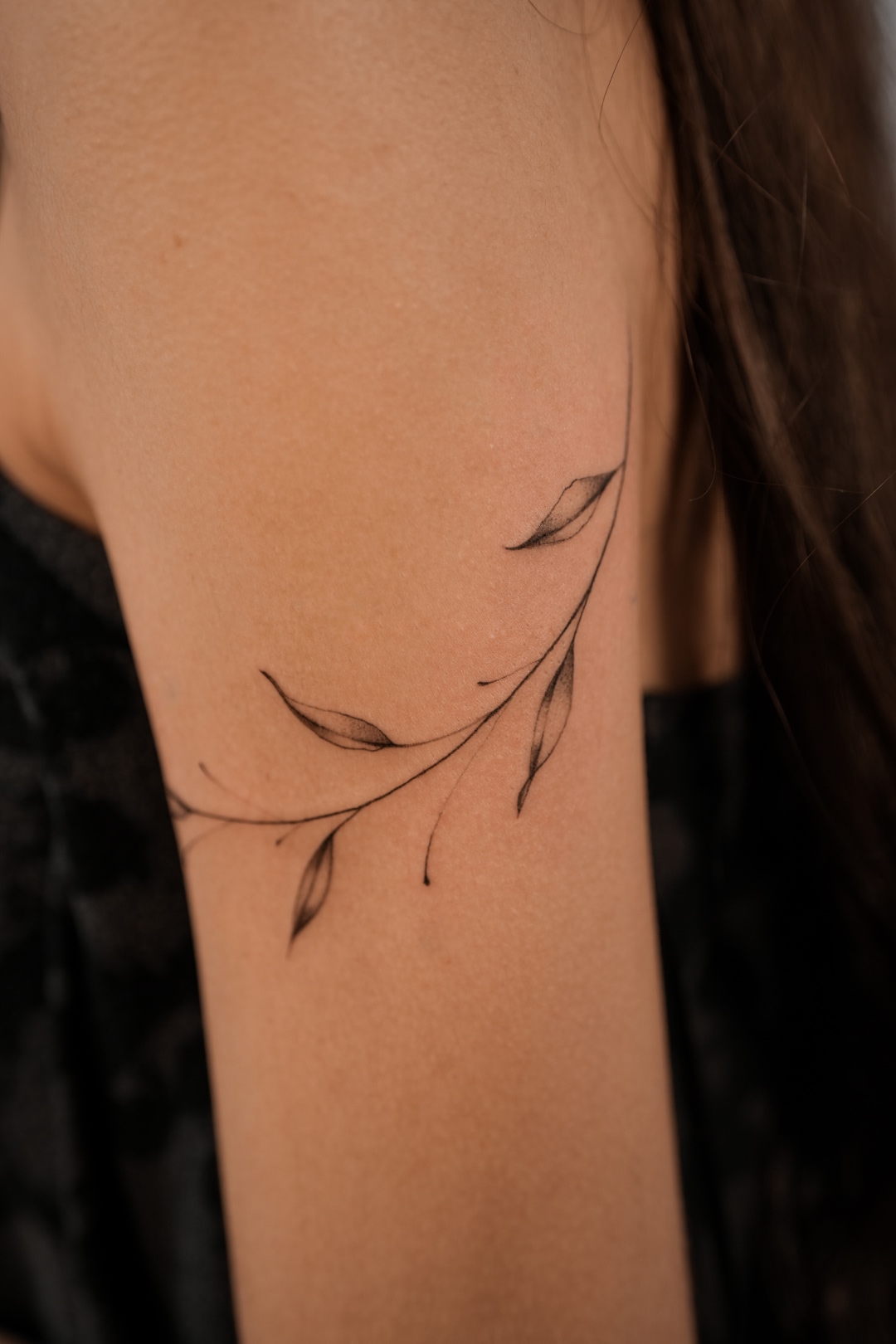
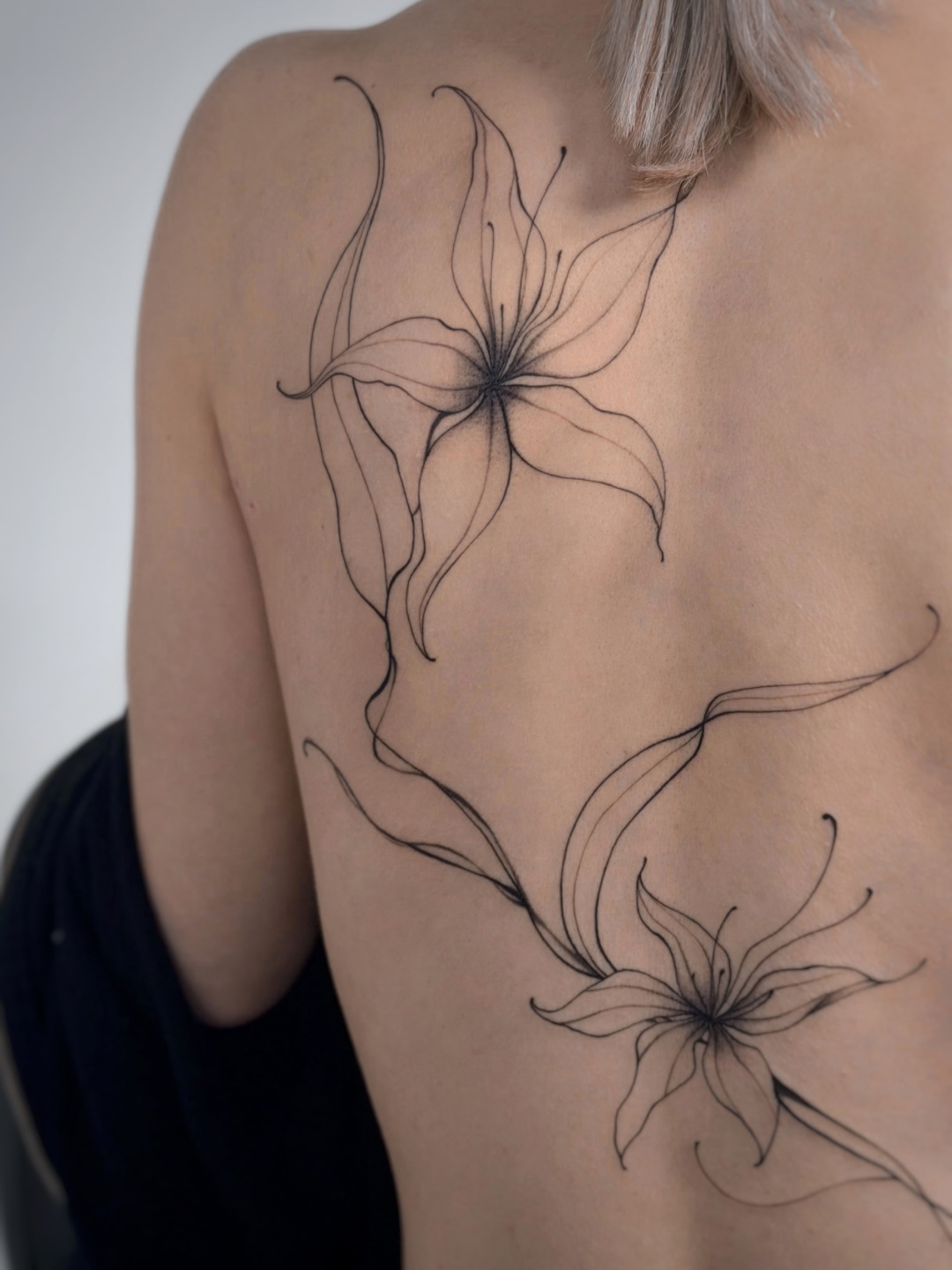
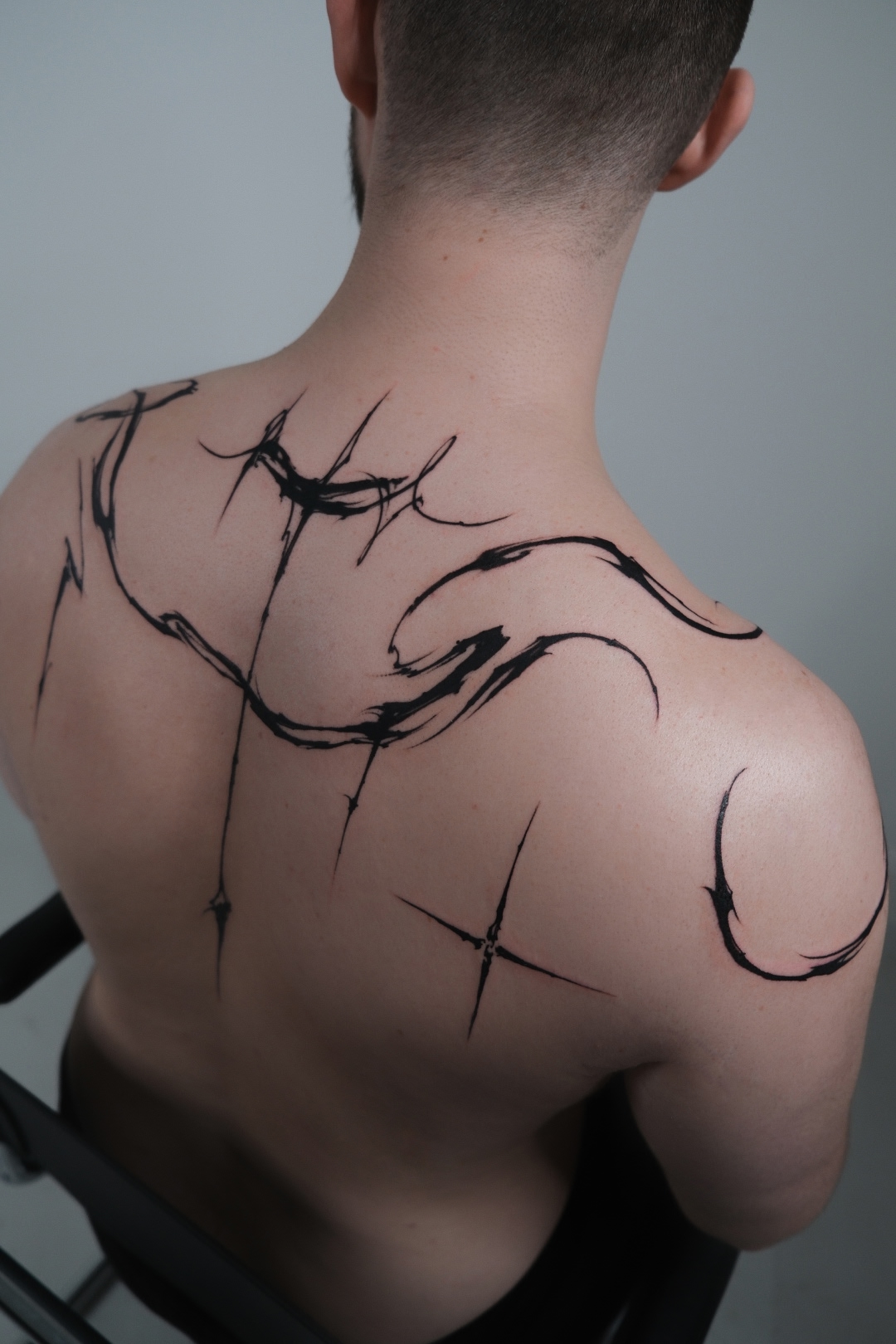
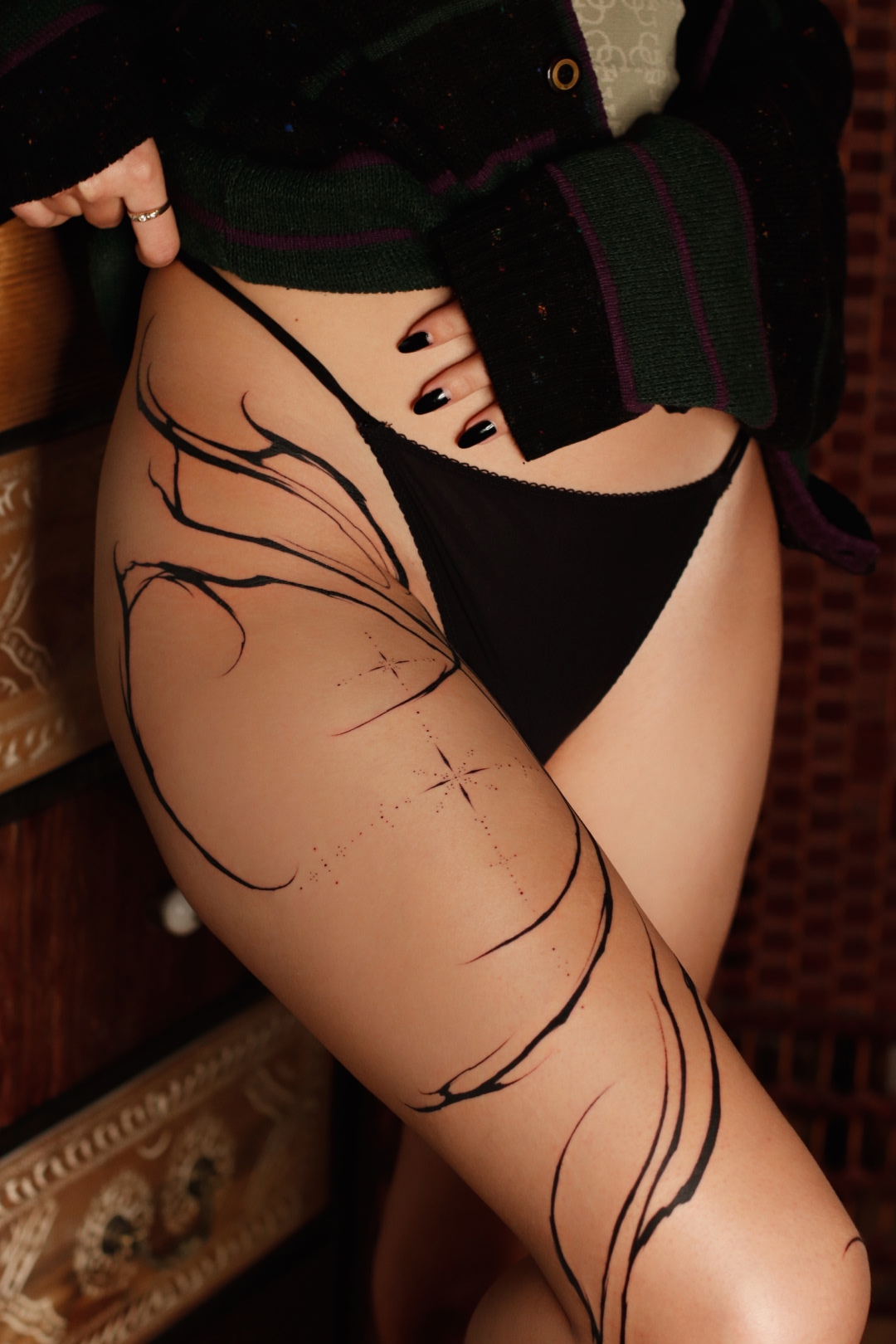
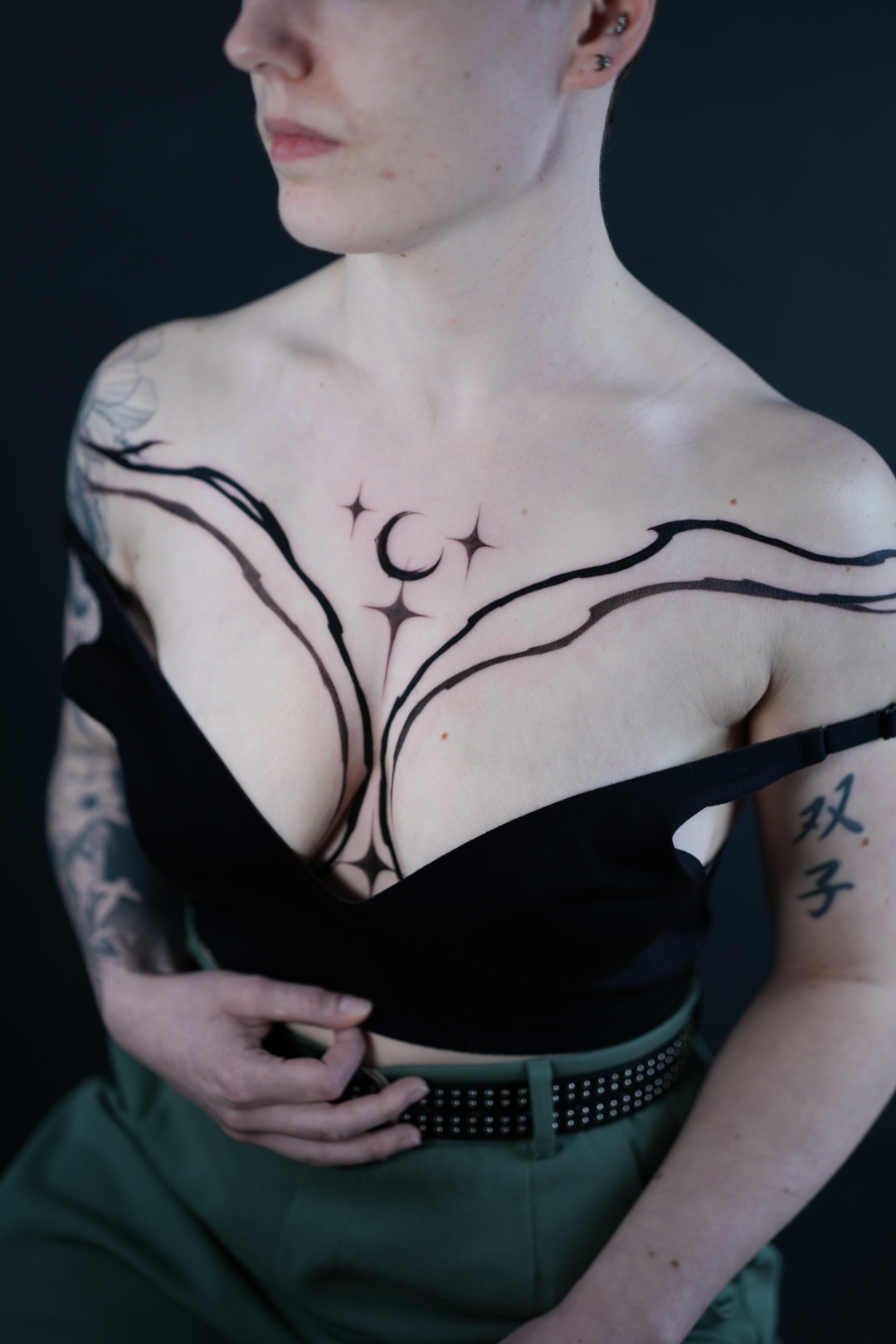
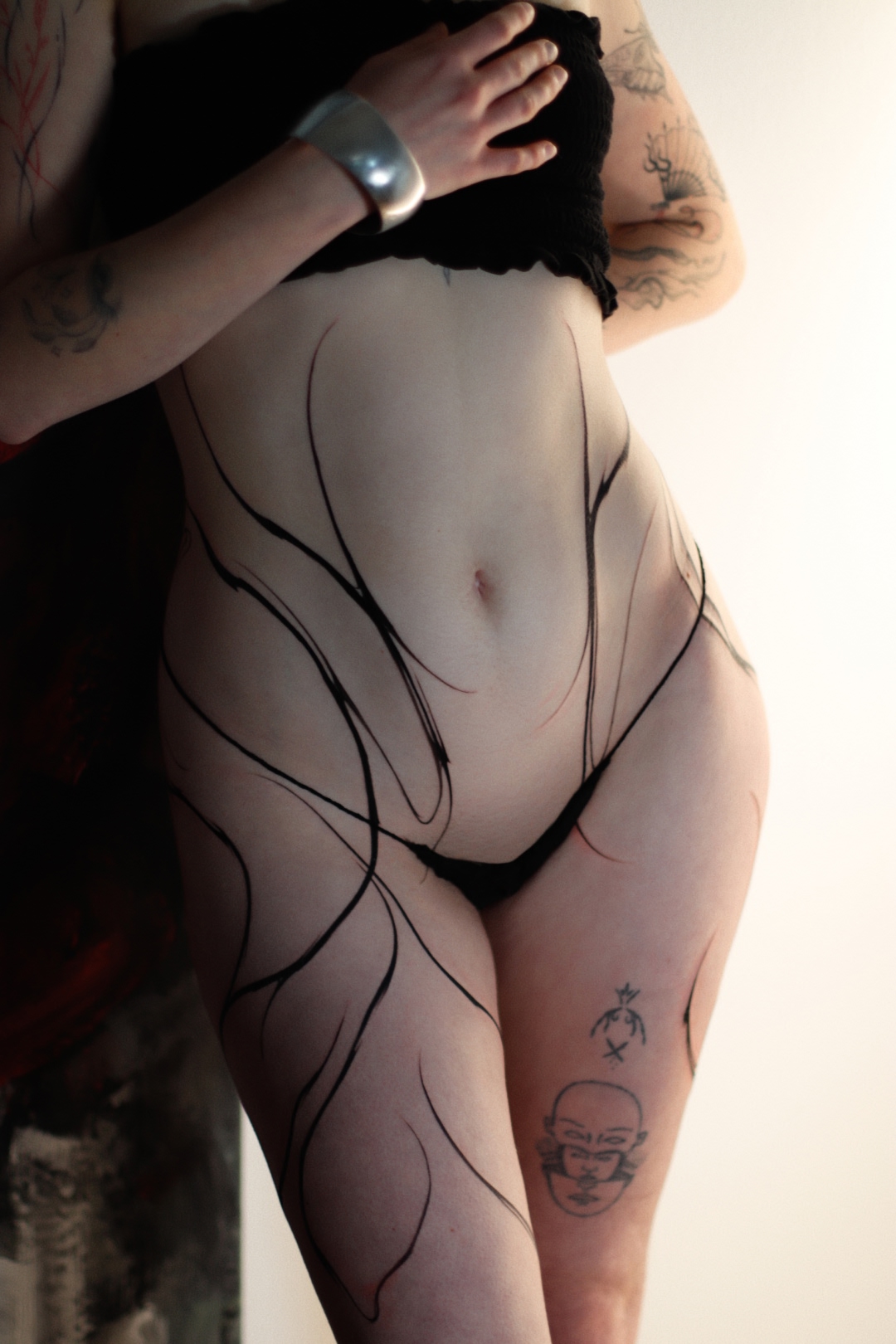
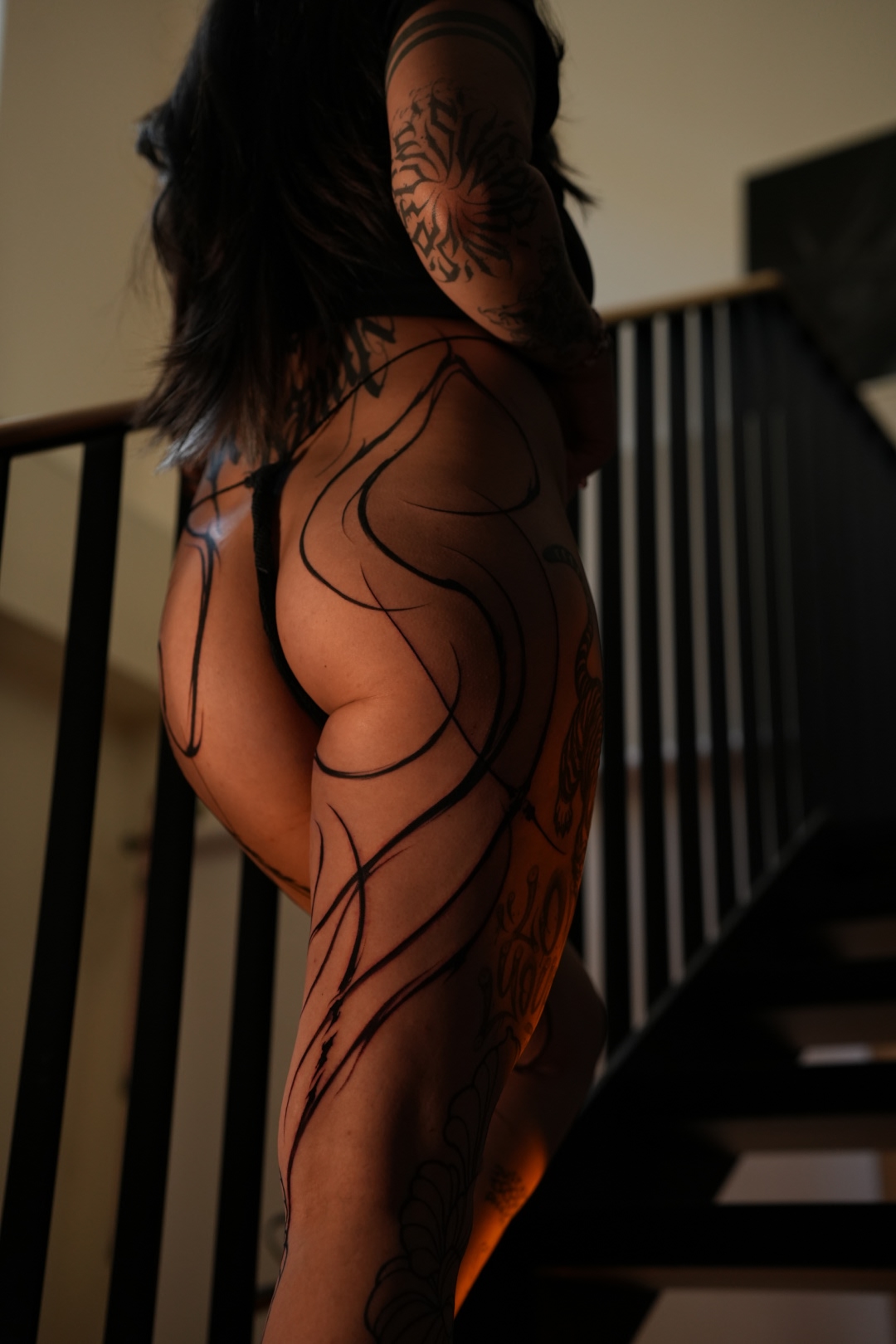
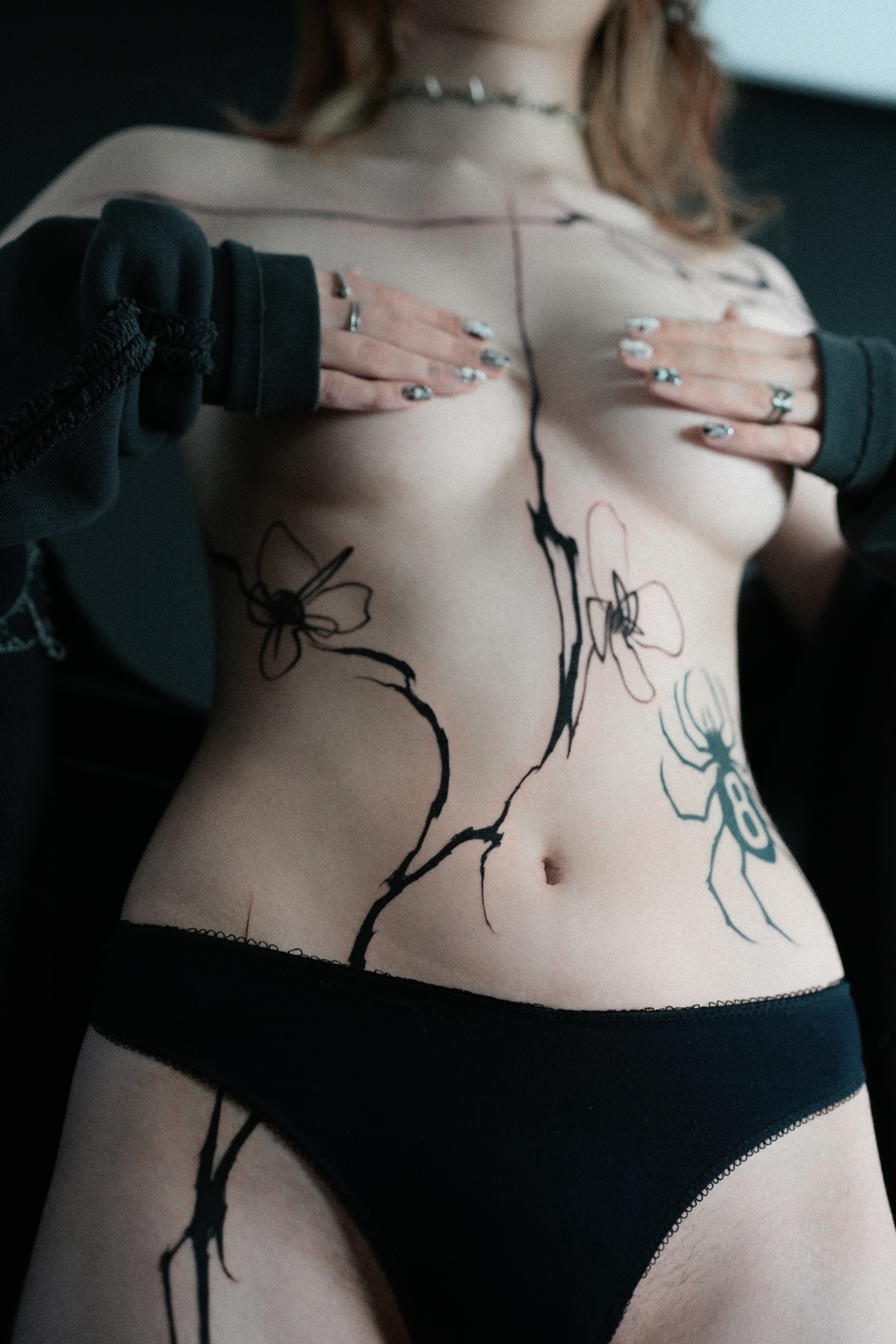
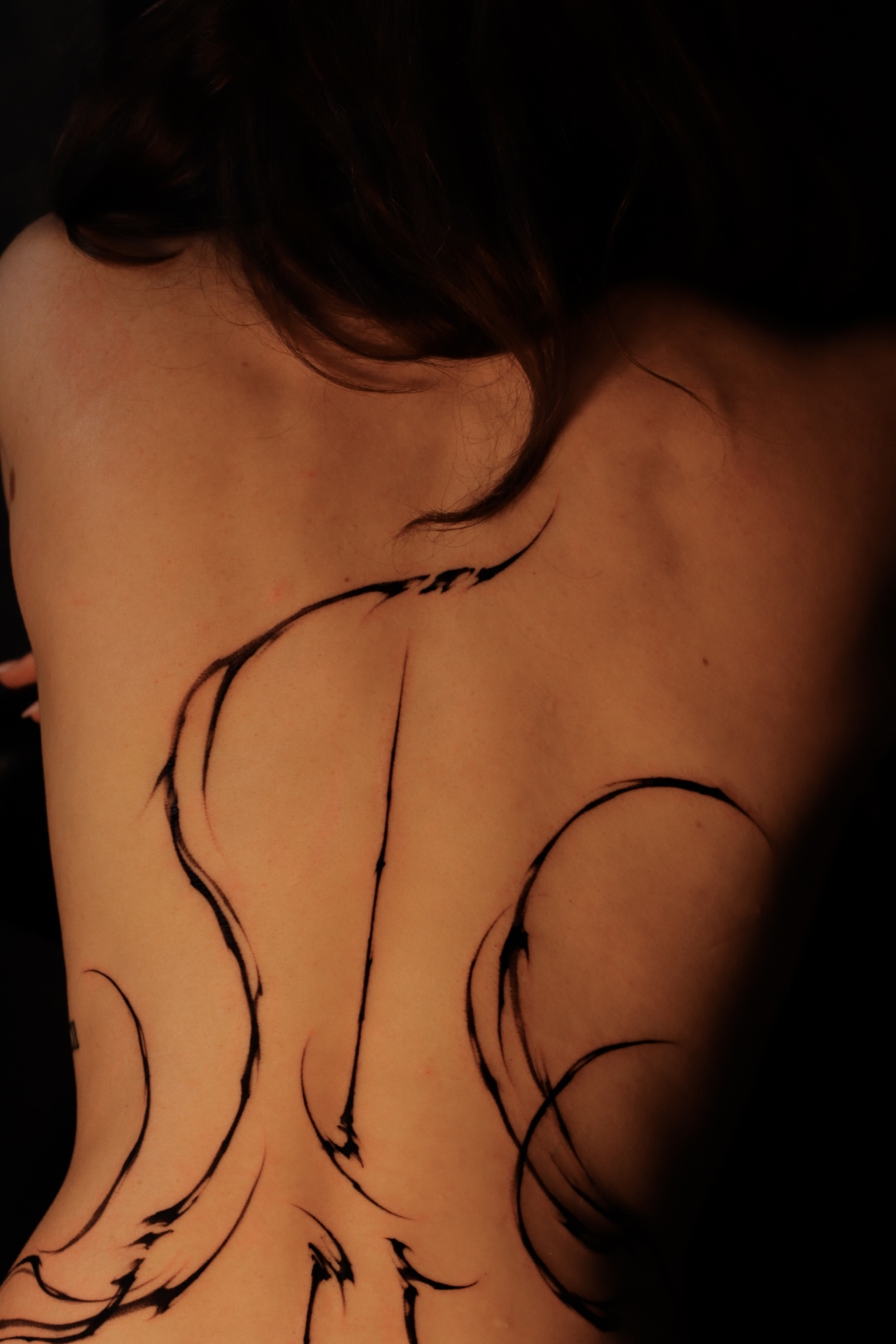
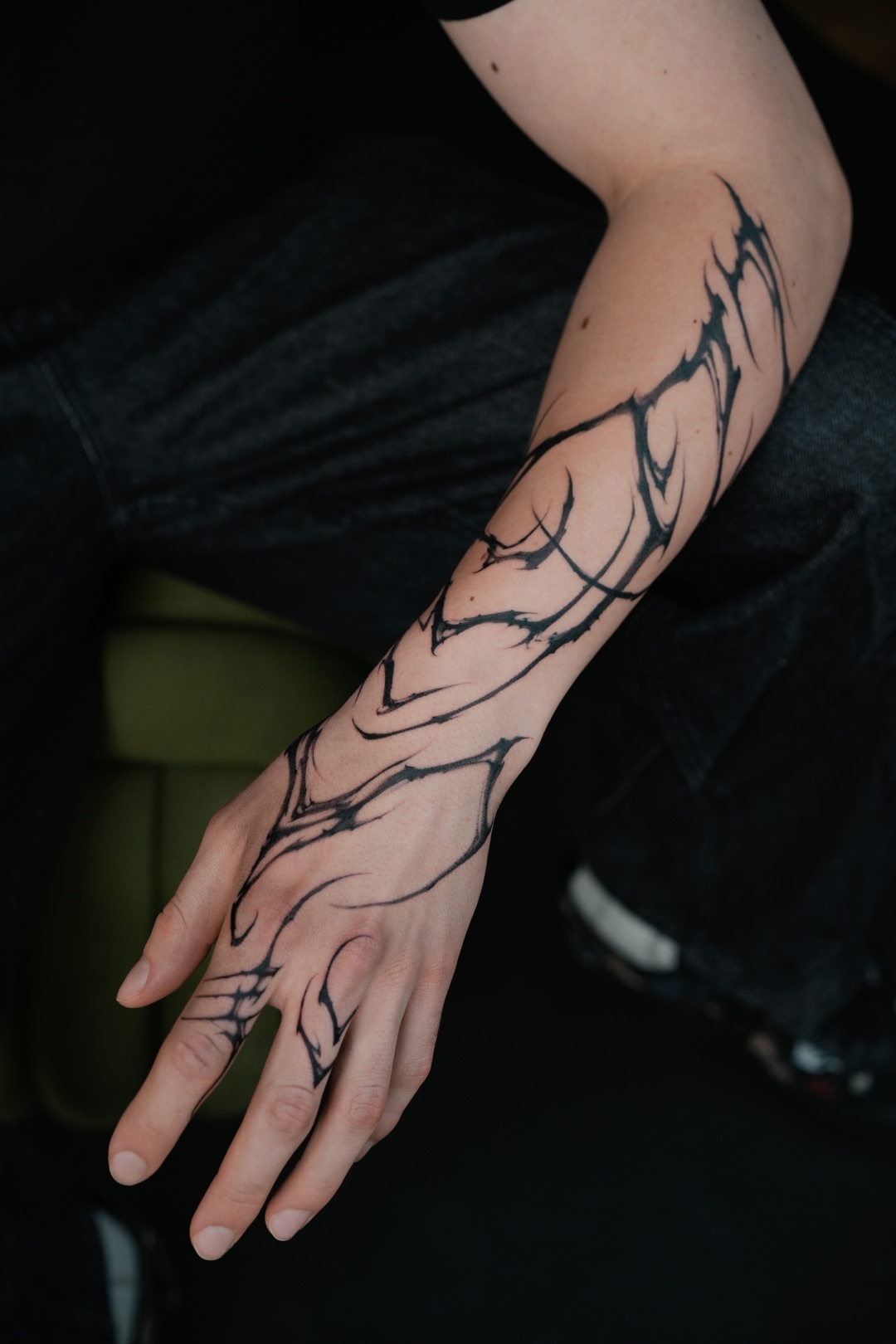
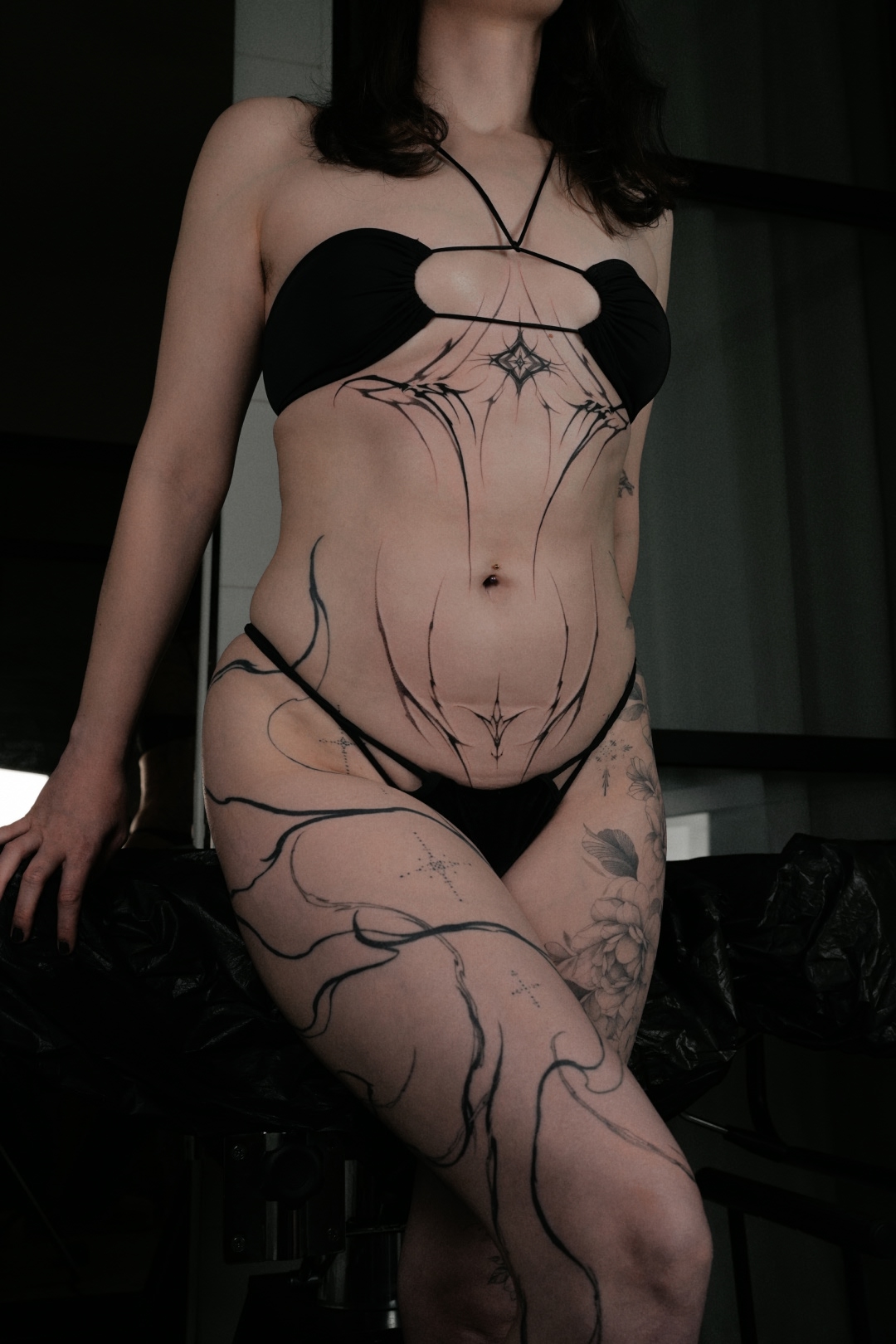
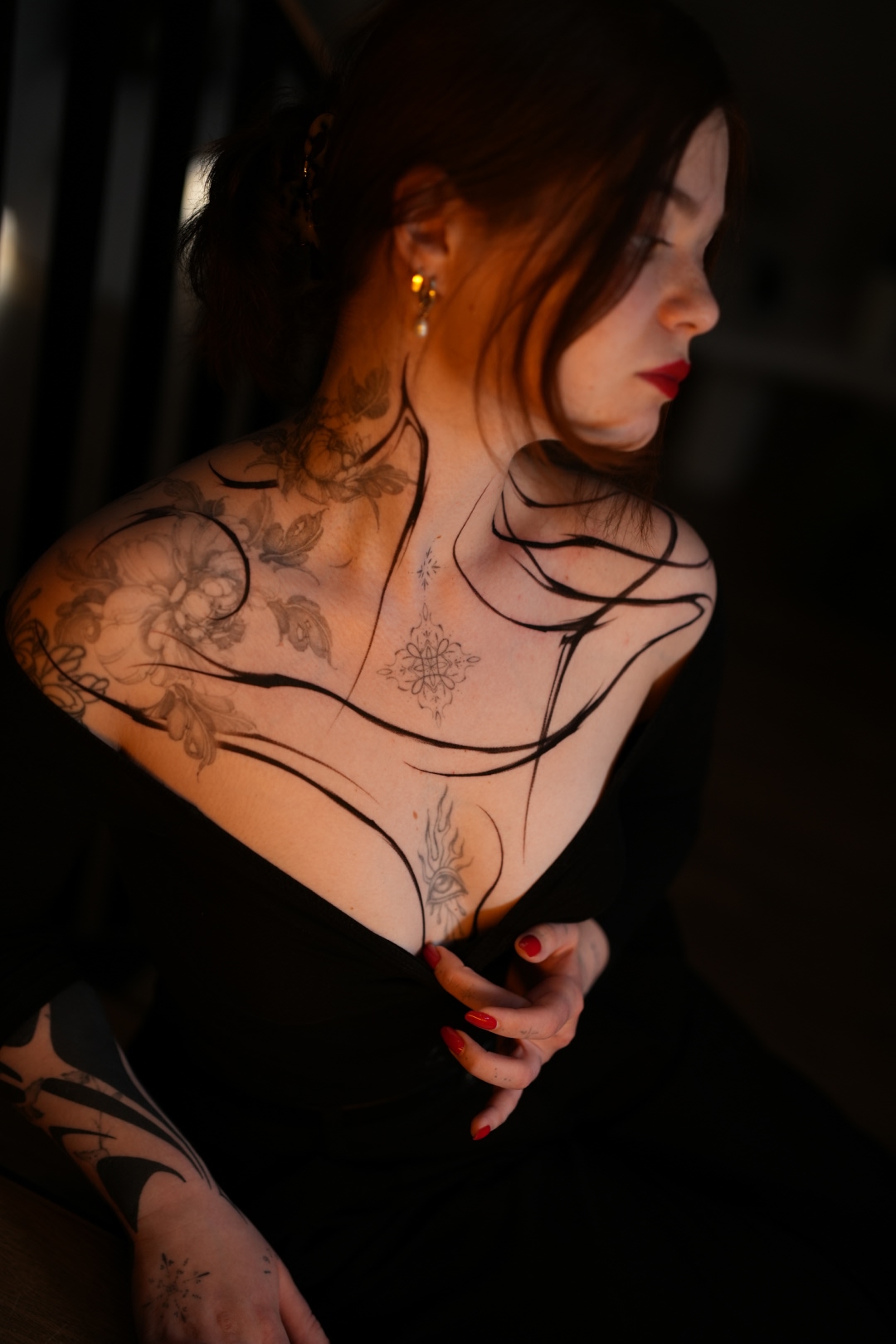
Lines, forms and open skin are not designed independently from the body. Abstract Body Composition begins with anatomy, movement and proportion, then develops an abstract composition specifically for the chosen area. At Souls & Sinners, we use the term Abstract Body Composition for body-first tattoos in which placement, scale, rhythm, contrast and negative space matter more than a single conventional motif.
Style info
Details
1/3 Section
Abstract tattoos designed from the body outward
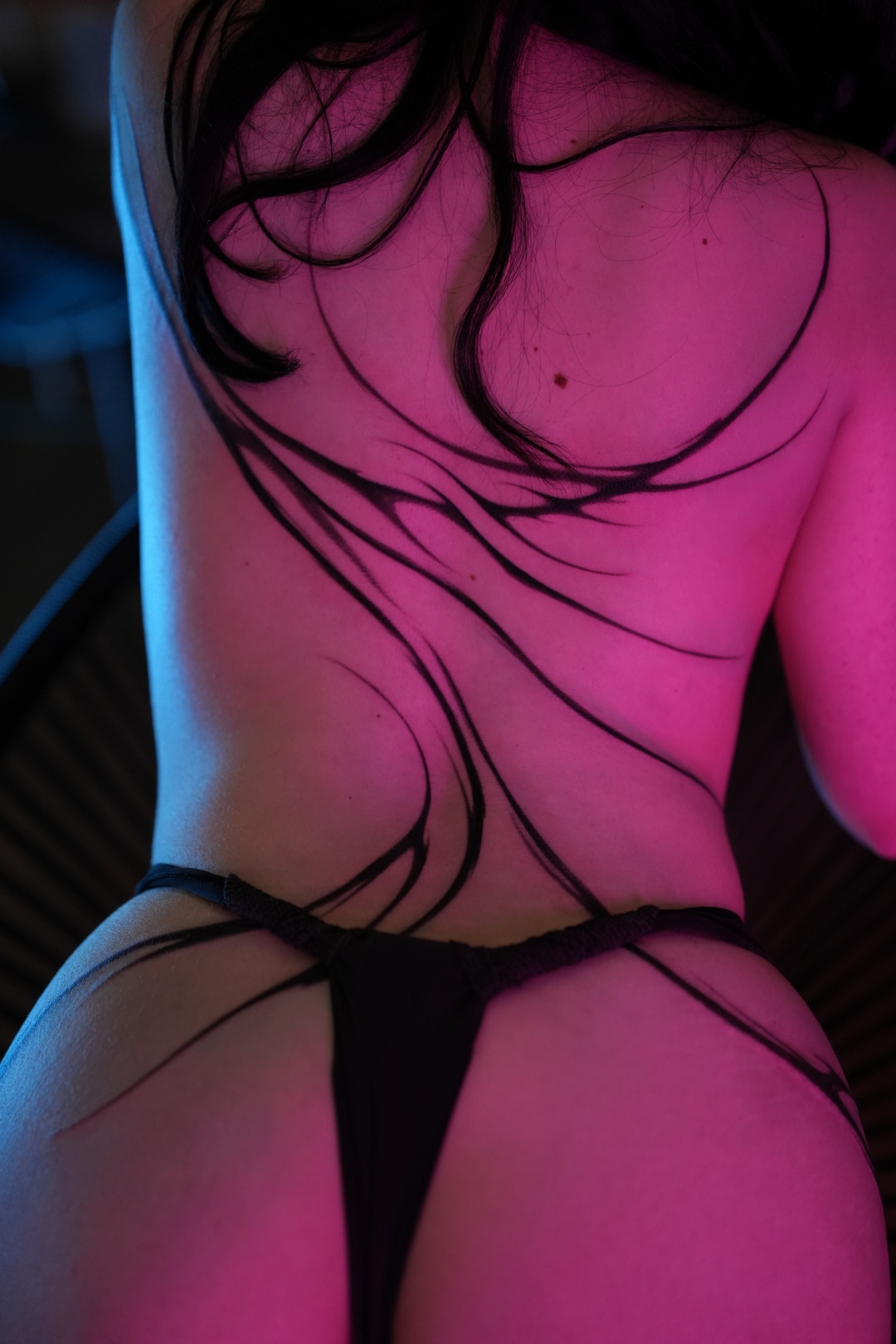
Many tattoos begin with an image and then search for a place to put it. Abstract Body Composition reverses that process: the artist first studies the lines, curves, axes and available surfaces of the body. The composition grows from those conditions so it can remain coherent while standing, moving and viewed from different angles.
From fine linework to stronger forms
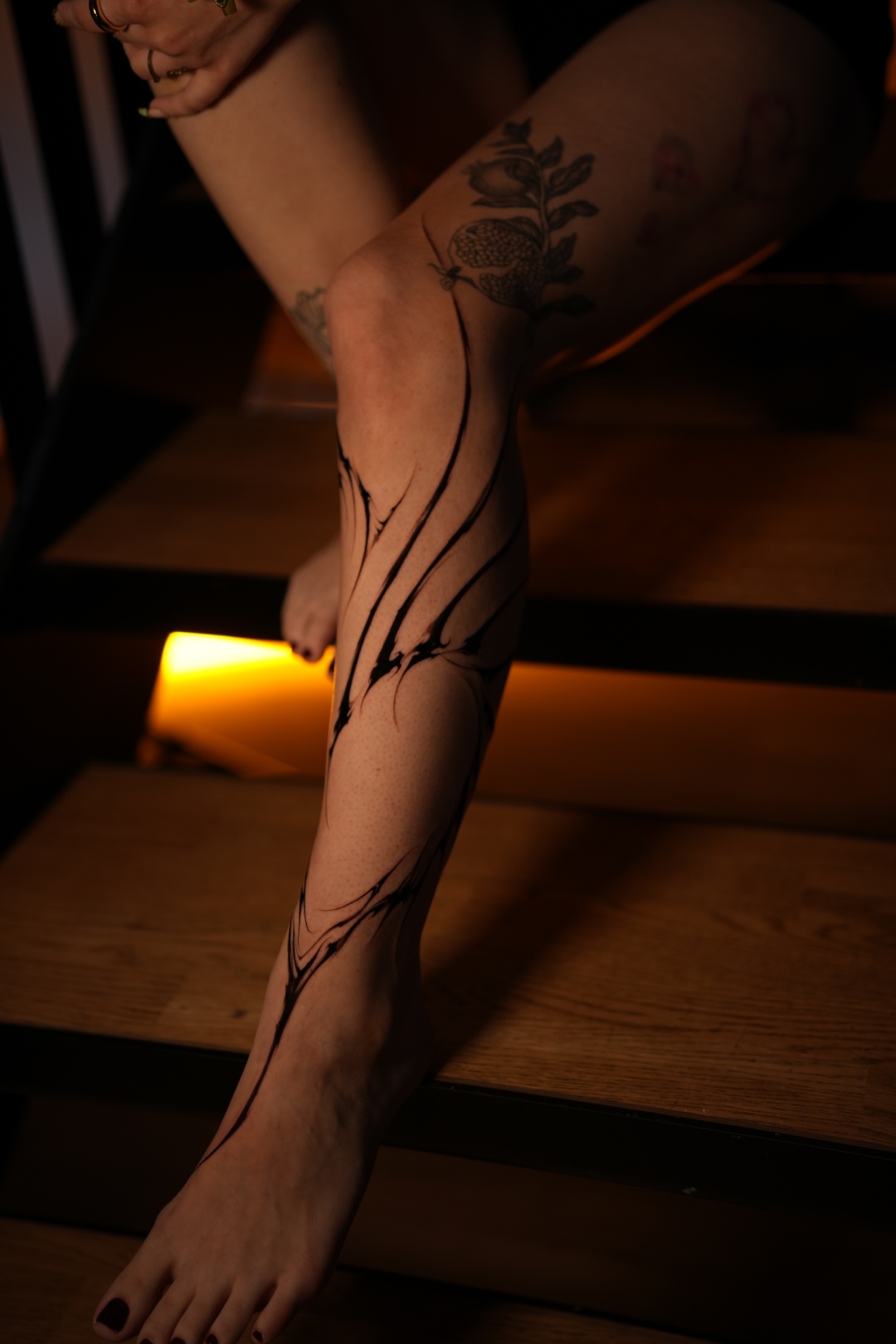
Abstract Body Composition is not limited to one technique. A piece can be built from delicate open lines or use heavier black forms, stronger contrast and denser rhythm. The defining question is not line thickness but how visual weight, negative space and direction are distributed across the body.
Negative space connects form and anatomy
Open skin separates elements, creates tension and keeps the anatomy visible. It is not leftover space between forms, but an active part of the composition. In larger projects, negative space helps the work breathe and remain readable from different distances.
Not the same as Abstract Fine Line, Blackwork or Conceptual
Abstract Fine Line primarily describes a light, line-based aesthetic. Blackwork uses black and strong contrast as a central material. Conceptual tattoos usually begin with an idea or meaning. Abstract Body Composition is defined by the body-first process. These directions can overlap, but anatomy remains the starting point.
An open design process
A strong body composition rarely needs to begin as a fully finished drawing. References, sketches and placement tests help establish the visual direction before the final form is adjusted to the body. The result is a custom design that cannot simply be transferred unchanged to another person.
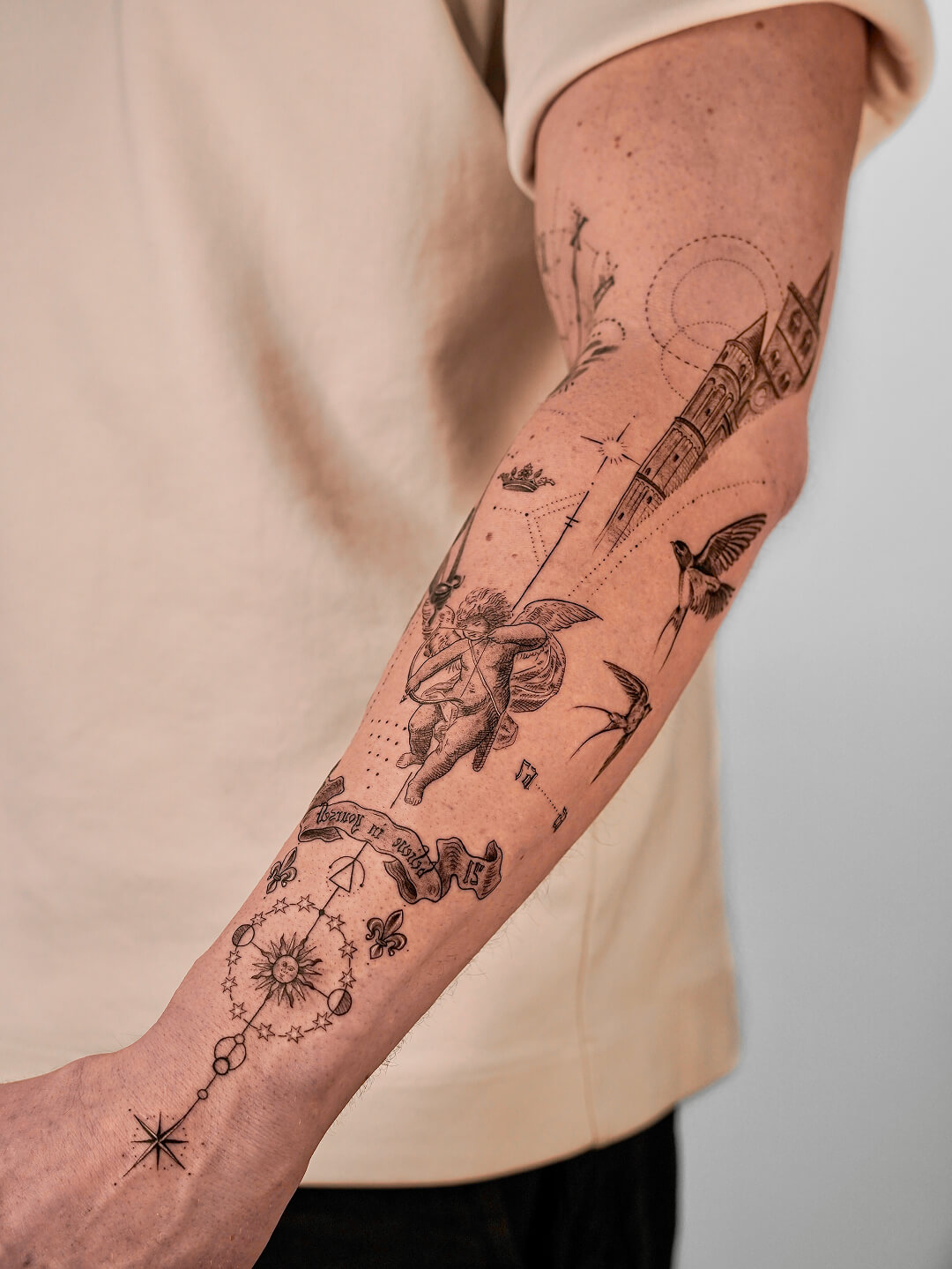
Integrating existing tattoos
Existing tattoos can sometimes become part of a new composition. Their position, scale, contrast and surrounding open space need to be assessed together. Integration is not automatically a cover-up. Existing work may remain visible while new forms connect the area spatially and visually.
Häufig gestellte Fragen
Fragen
2/5 Abschnitt
What is an Abstract Body Composition tattoo?
At Souls & Sinners, Abstract Body Composition describes abstract tattooing developed from anatomy, movement, placement and proportion. Lines, forms, contrast and negative space respond to a specific body area.
How is it different from Abstract Fine Line?
Abstract Fine Line primarily describes a light, line-based aesthetic. Abstract Body Composition describes the entire body-first structure and can include delicate linework, bolder forms or black areas.
Which body areas work well?
Shoulder, back, arm, leg, chest and hip all offer different possibilities for flow and scale. Smaller compositions are also possible when the form fits the available area.
Can existing tattoos be integrated?
Sometimes. A photo of the complete body area helps us assess position, contrast and available negative space. Integration is not automatically the same as a full cover-up.
How much does an Abstract Body Composition project cost?
At Souls & Sinners, most tattoos are priced by project rather than strictly by the hour. Scale, complexity, placement and whether multiple sessions are needed are considered in the individual quote.
Gallery
Work examples
3/5 Abschnitt
Beispiel für Arbeiten
Stil & Künstler
Artists
4/5 Abschnitt
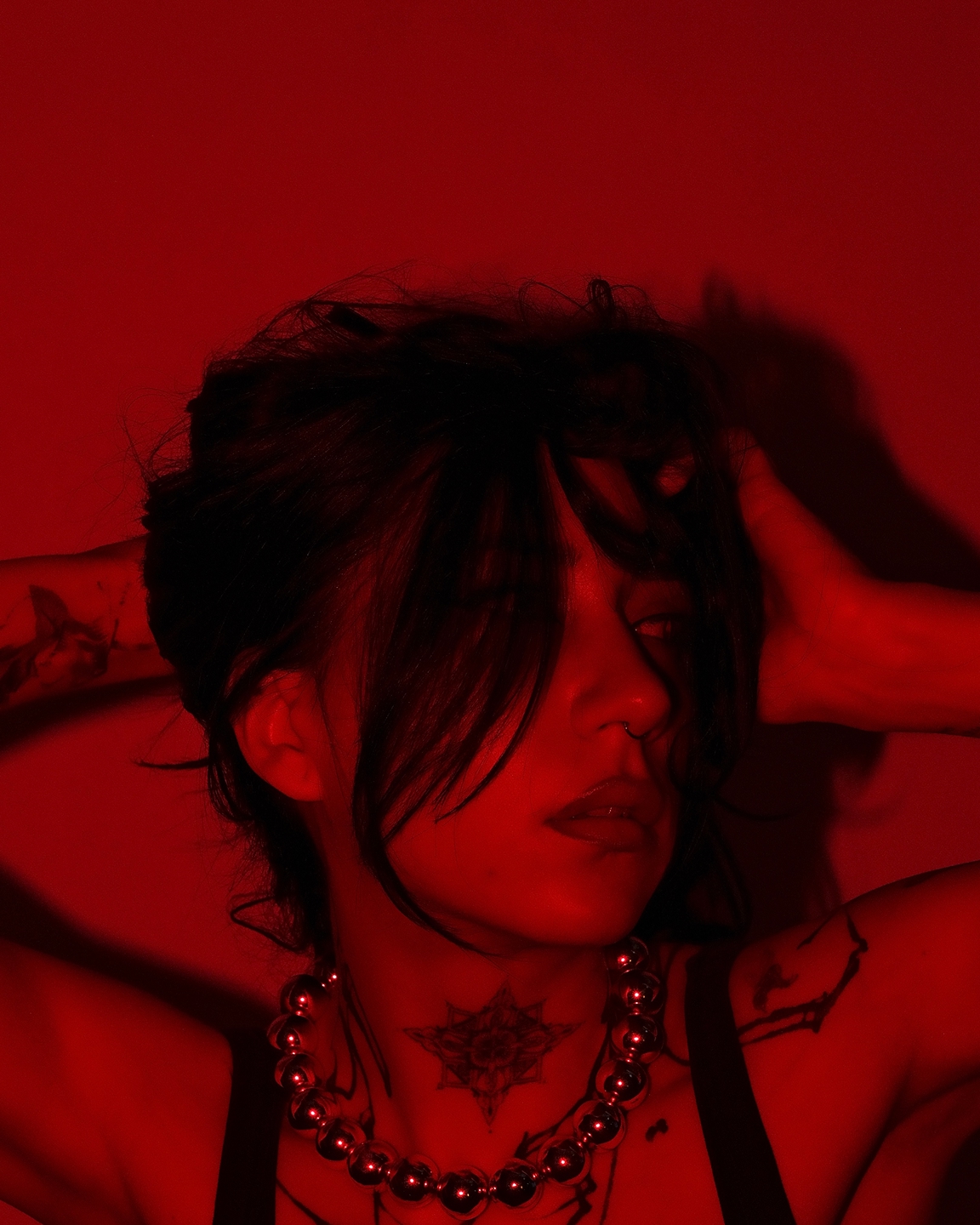
wickedlines.
Instagram ->Kultur
Other styles
Specializations
3/3 Section