Abstract Realism Tattoos in Frankfurt
in Frankfurt
Abstract Realism Tattoos in Frankfurt
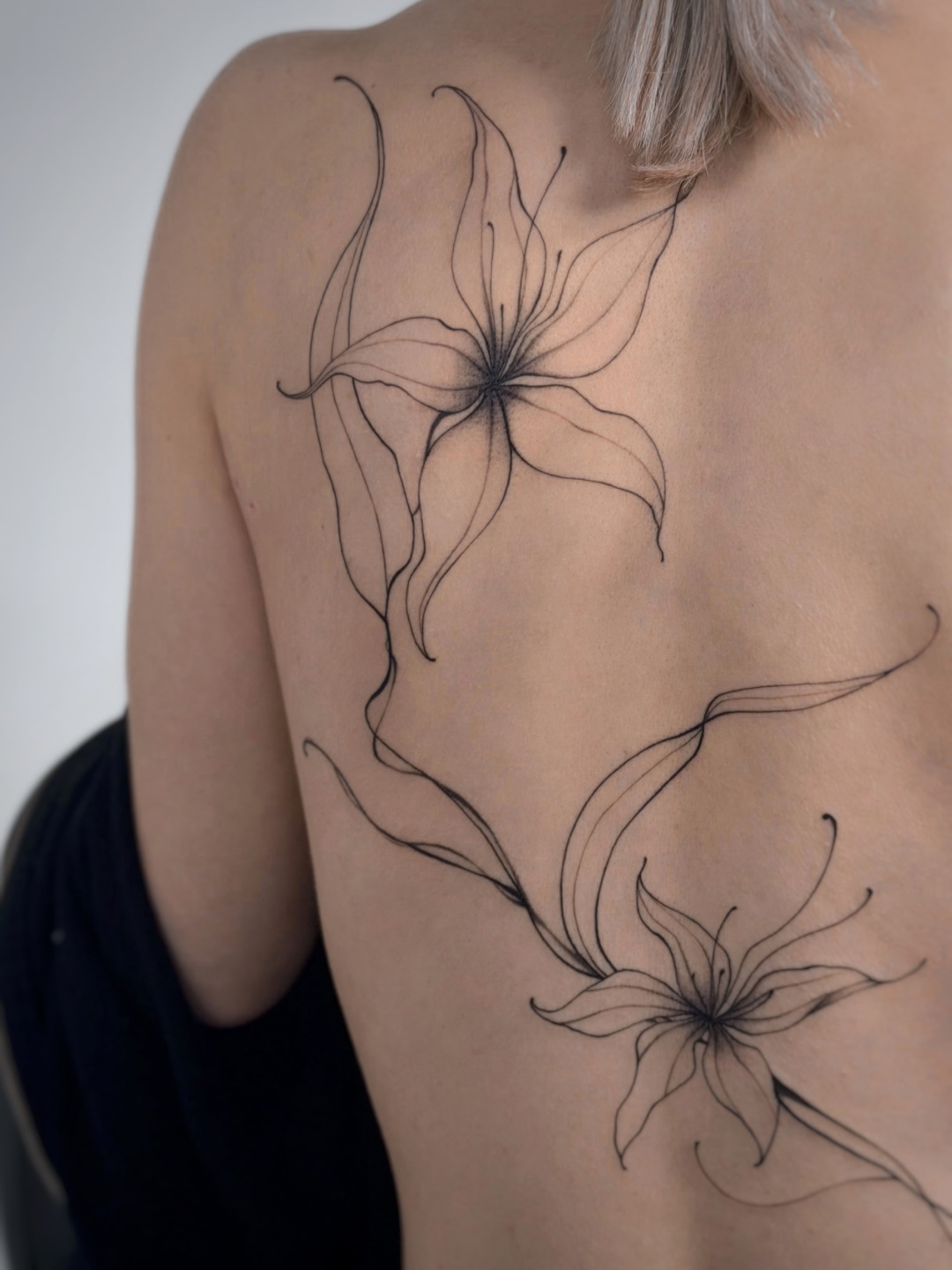
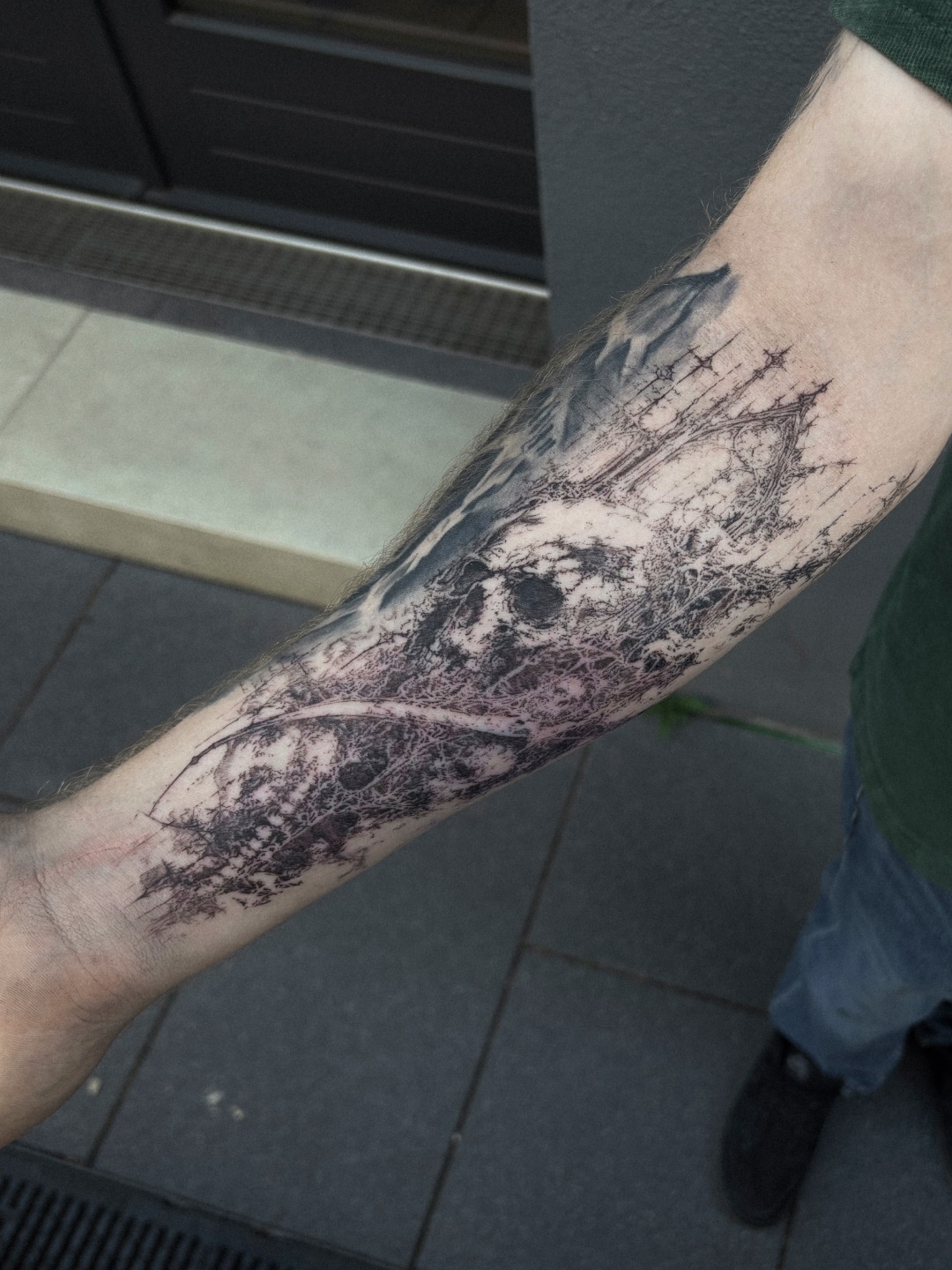
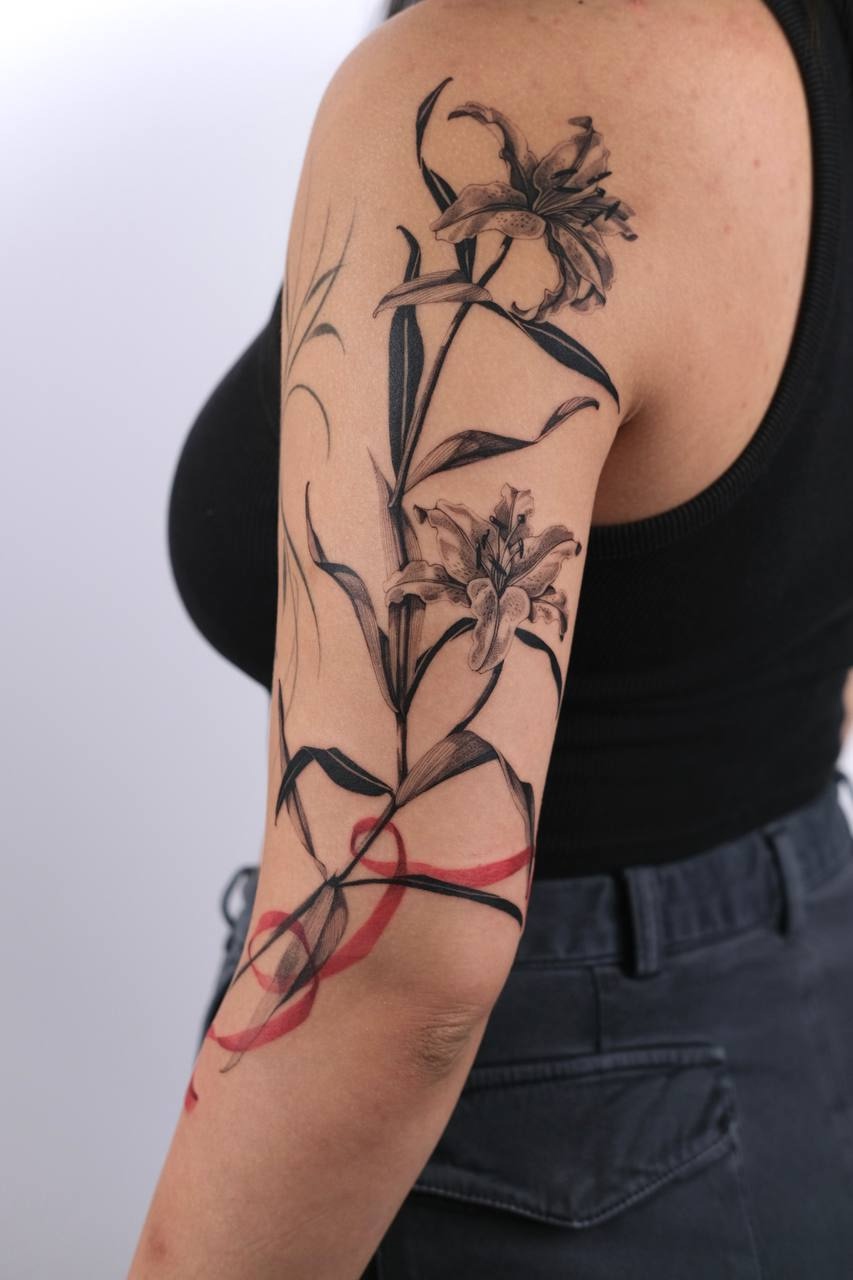
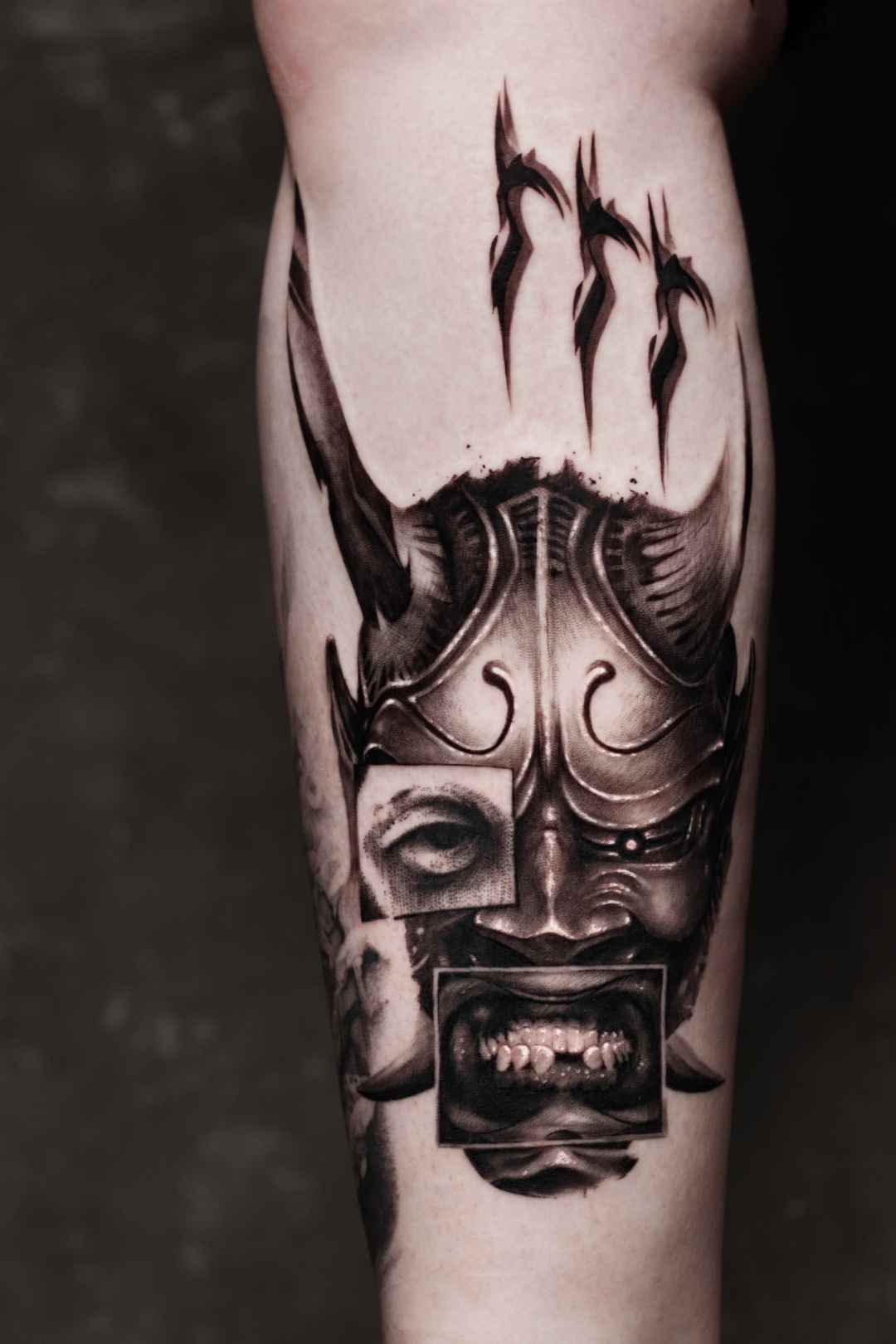
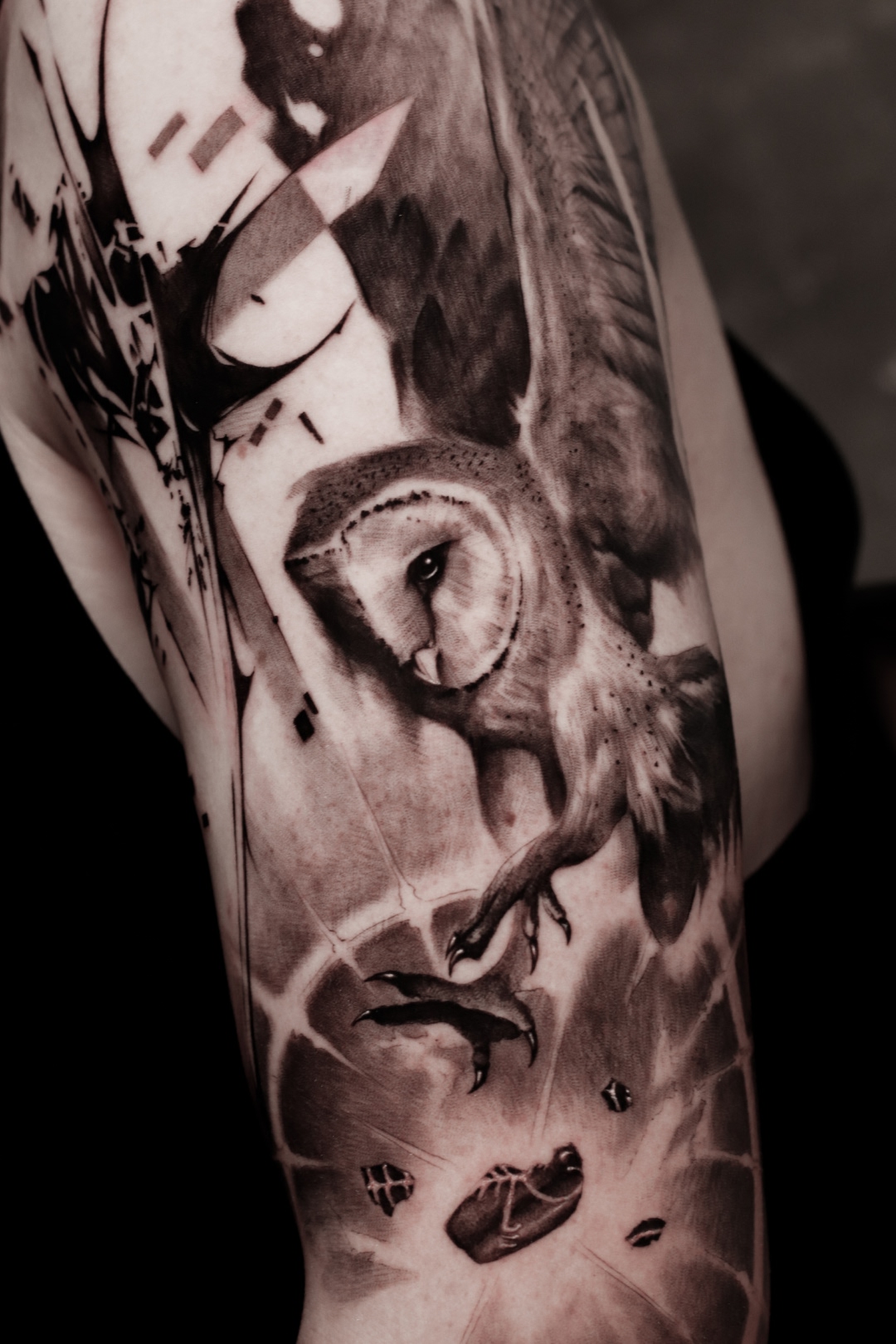
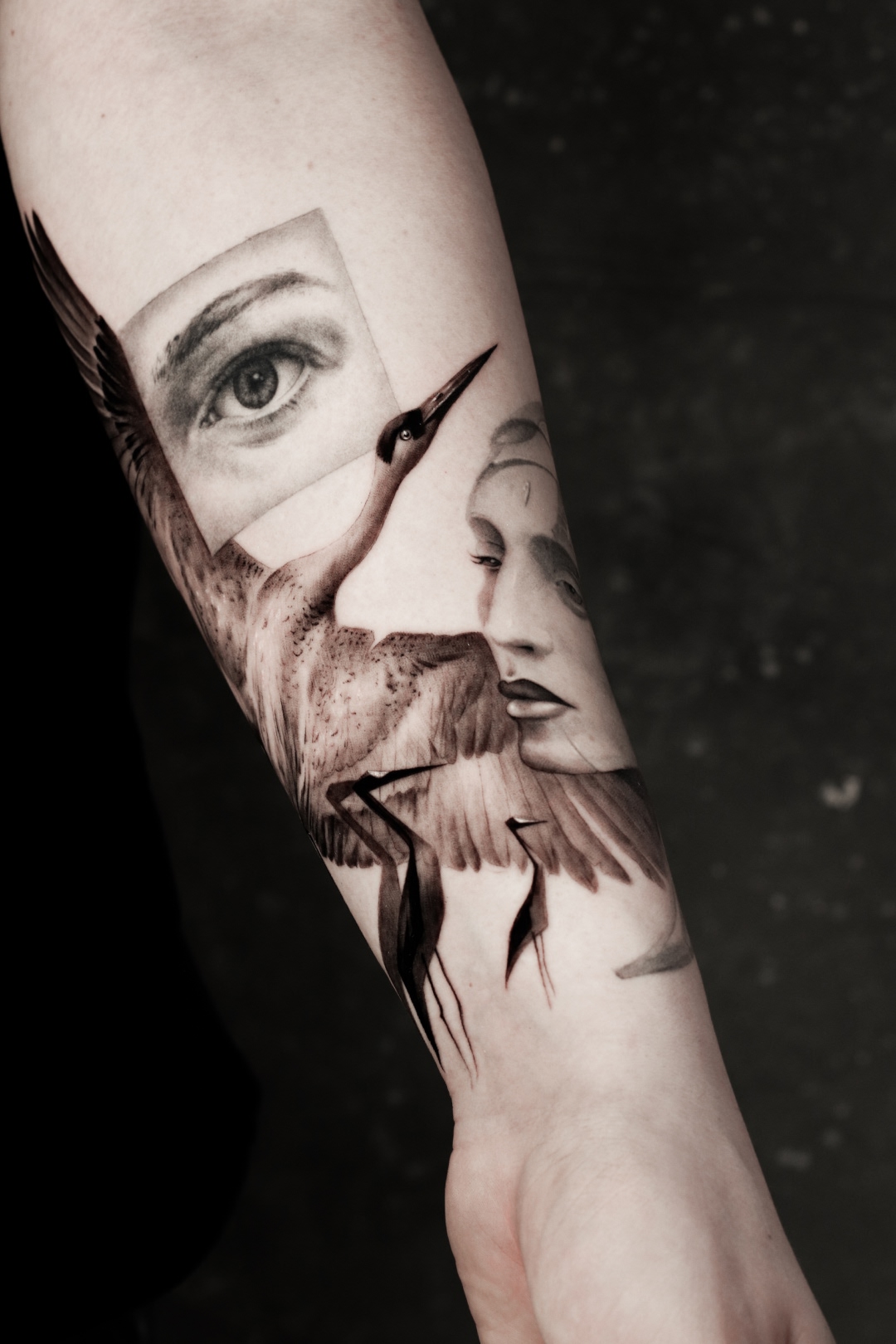
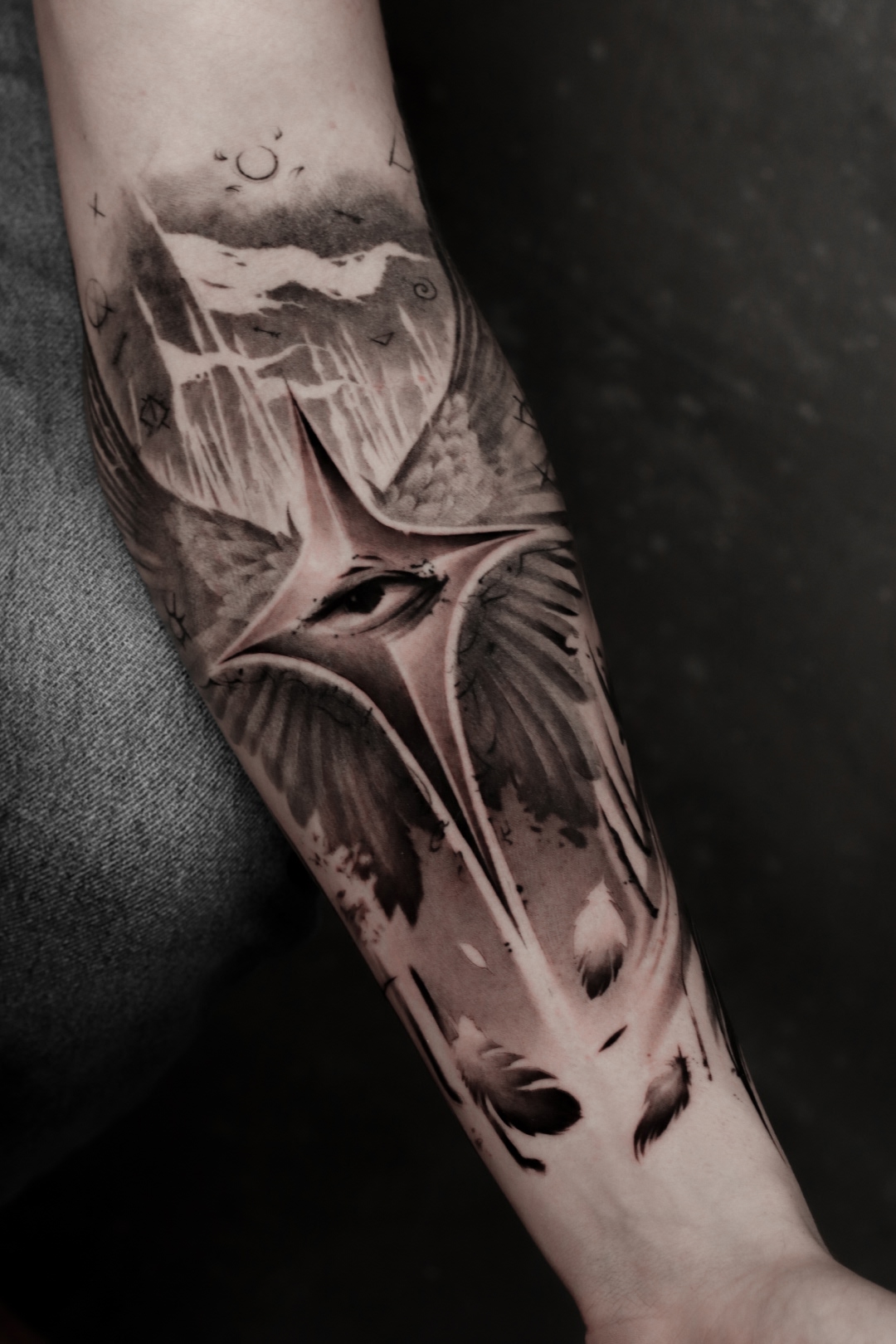
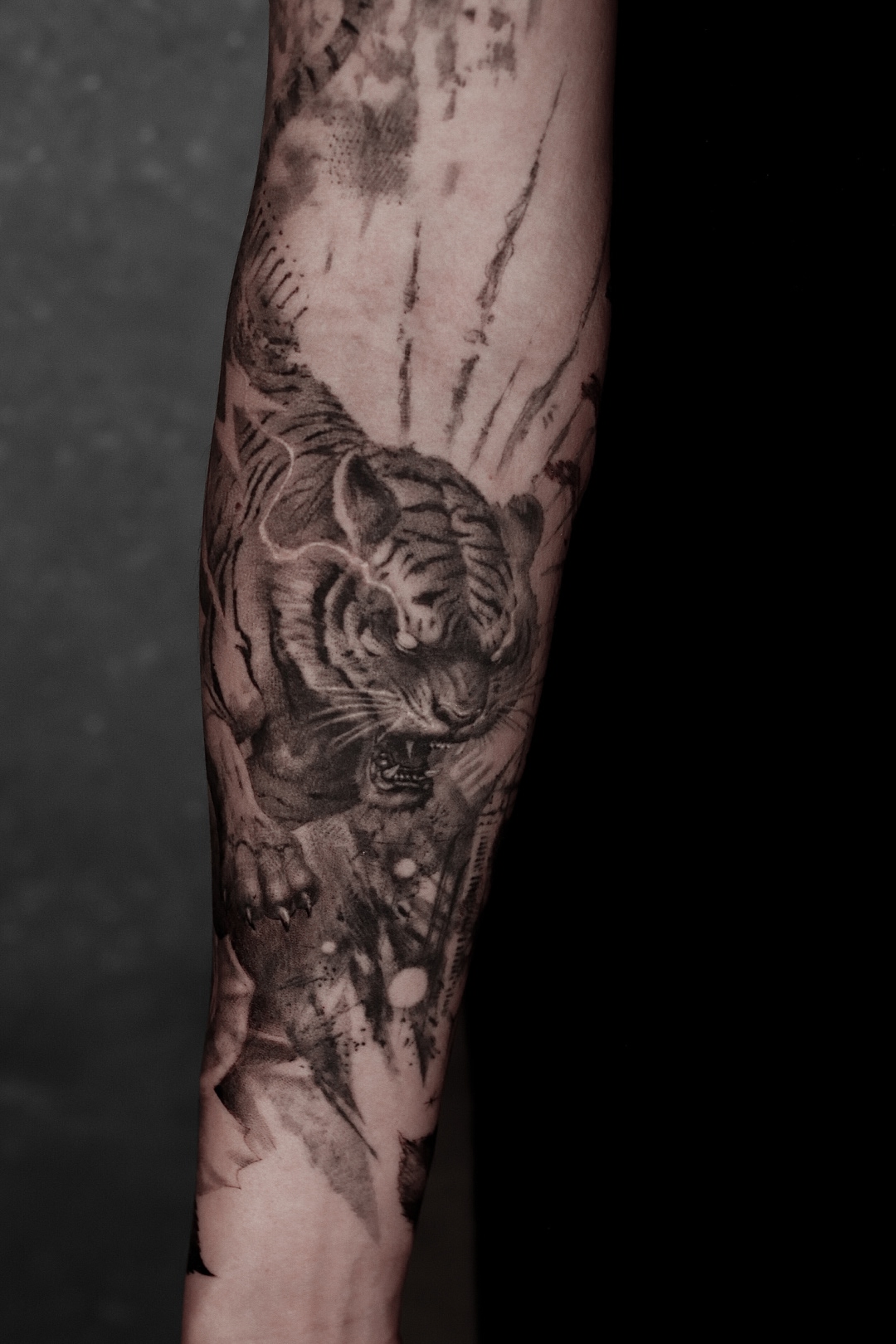
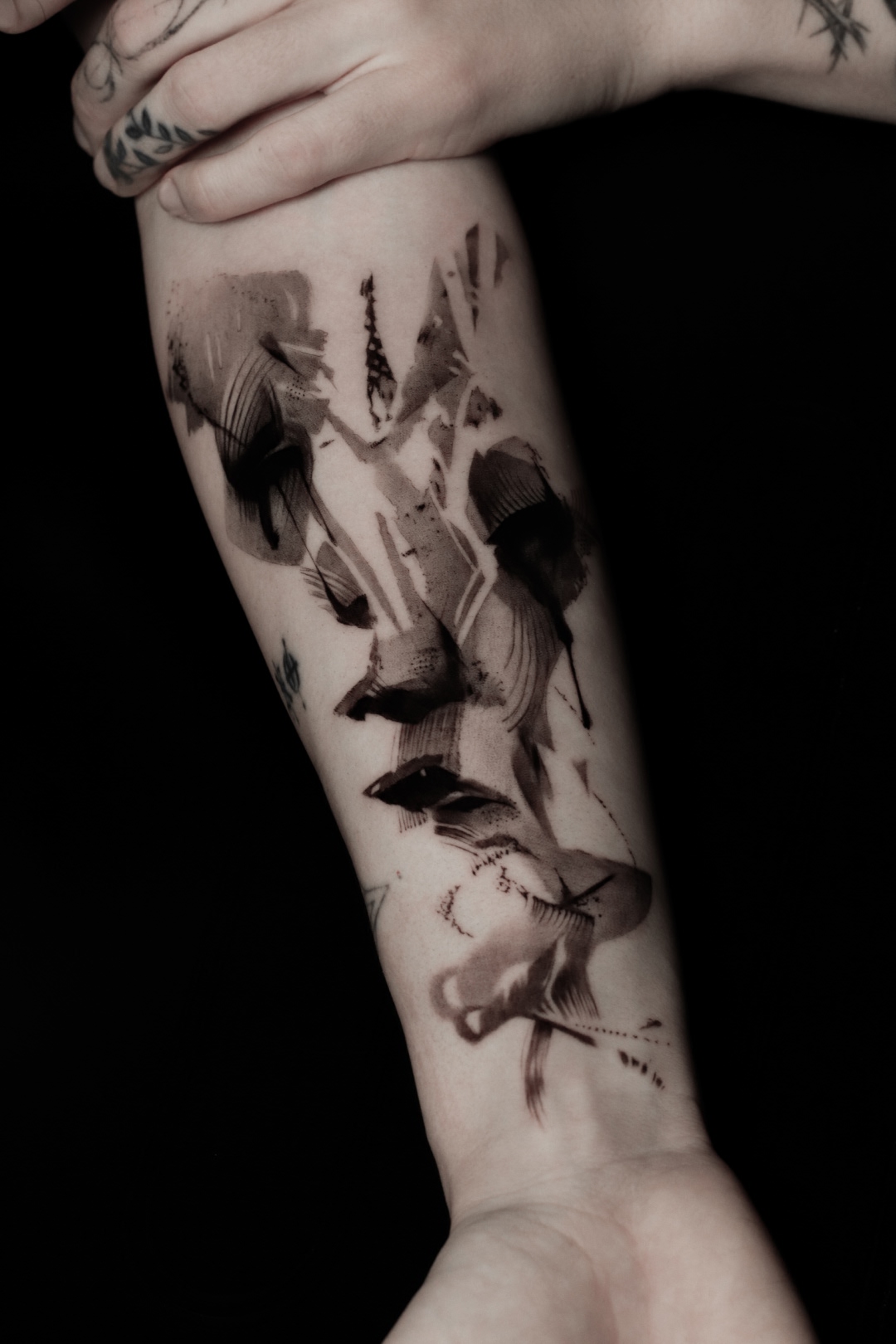
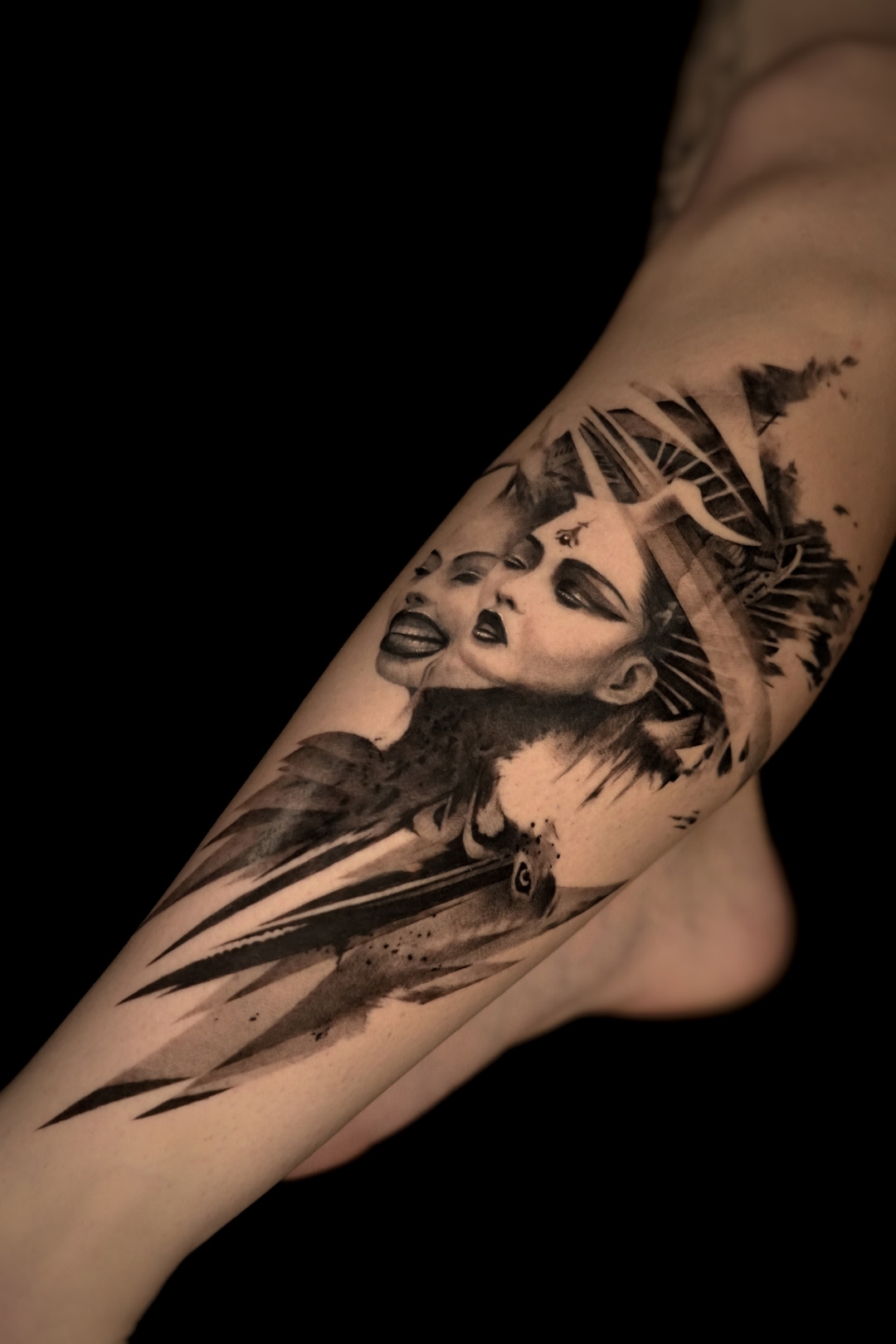
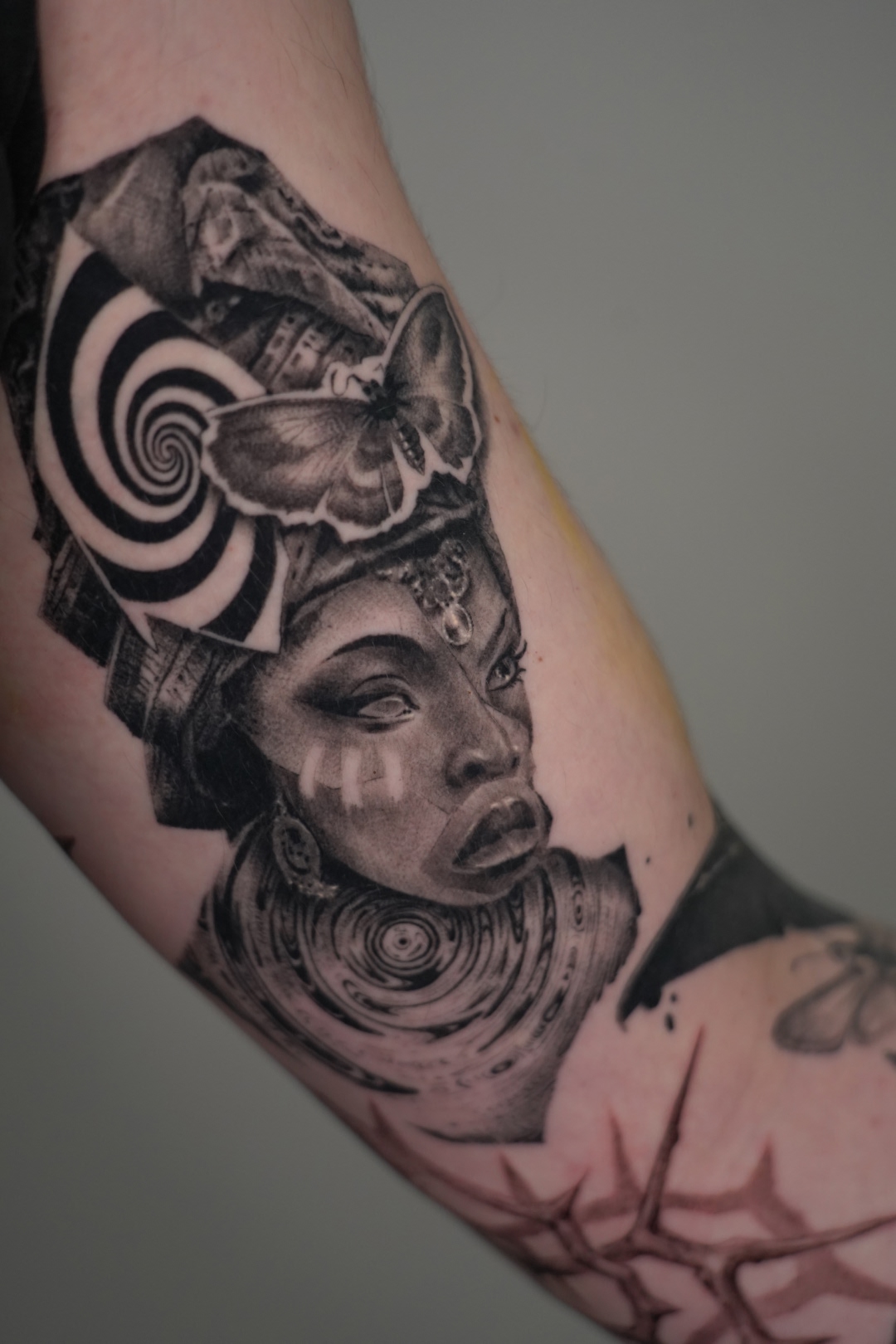
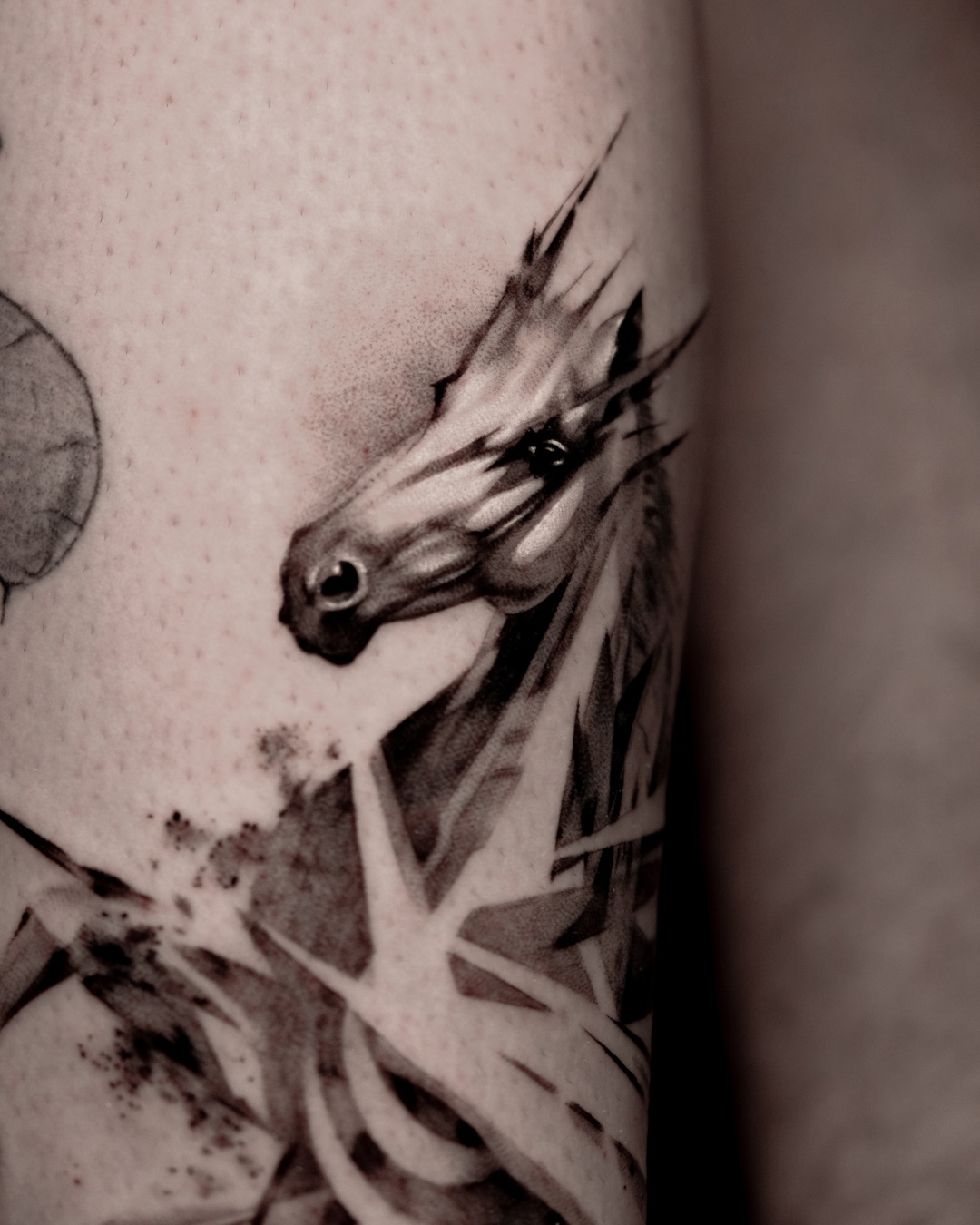
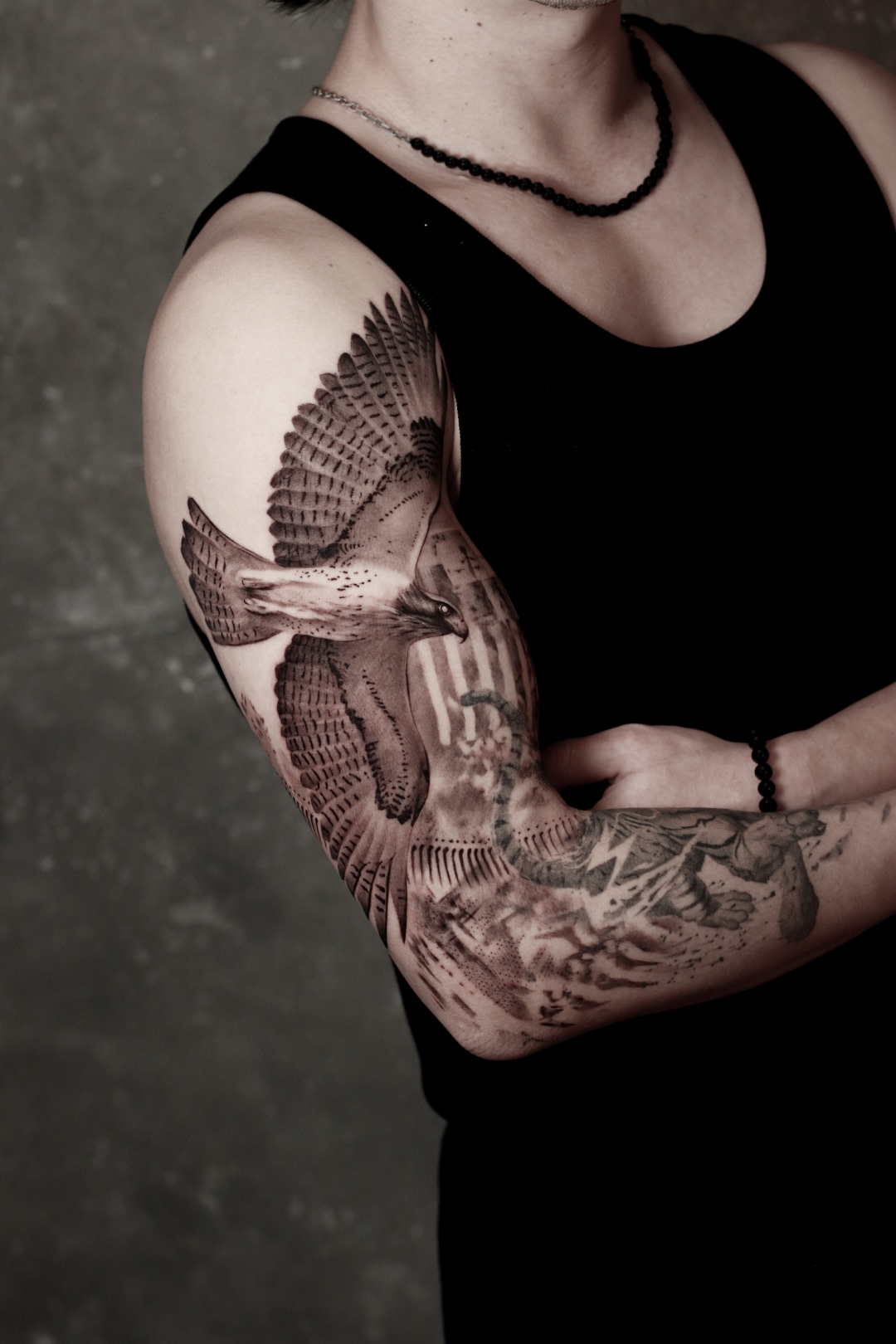
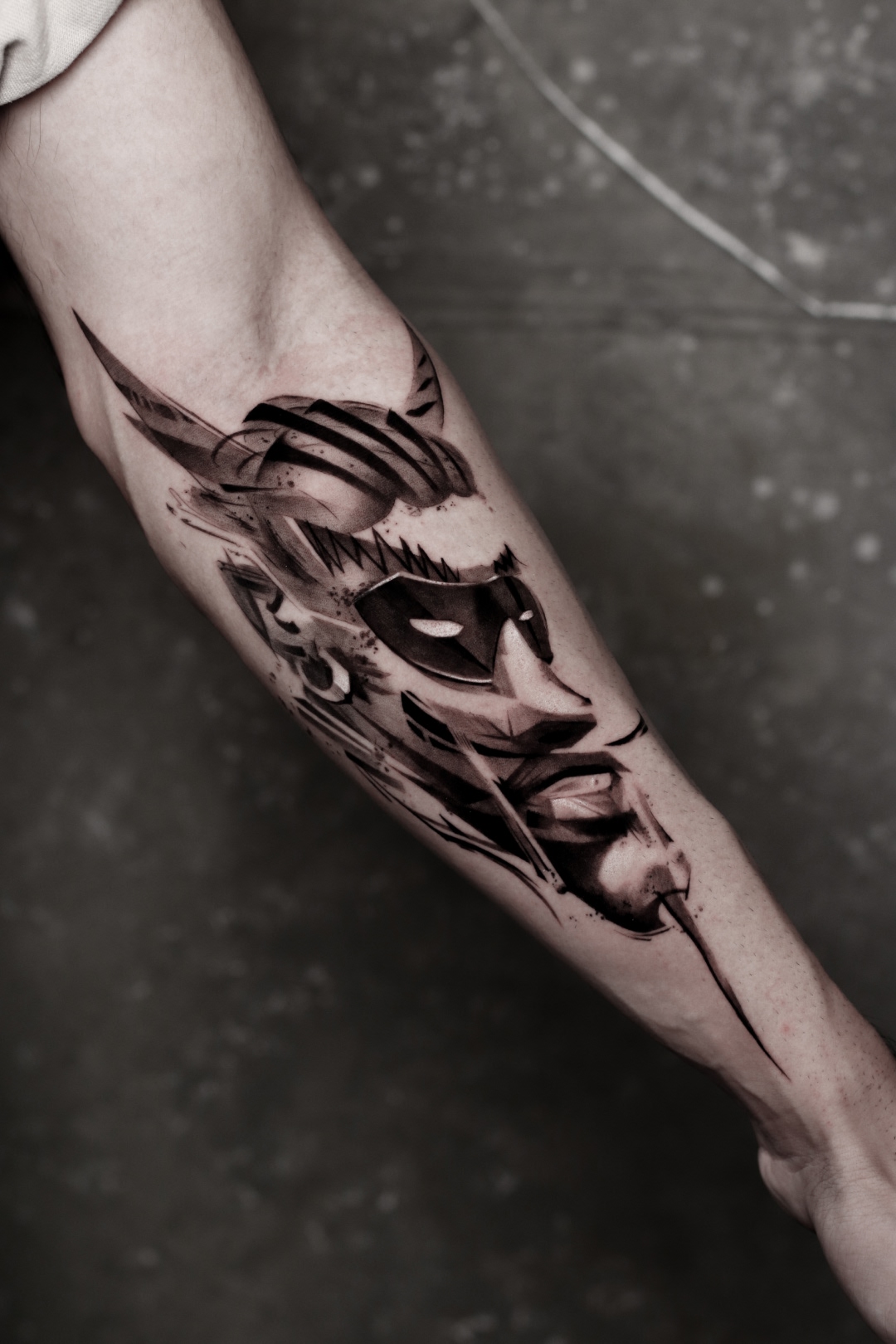
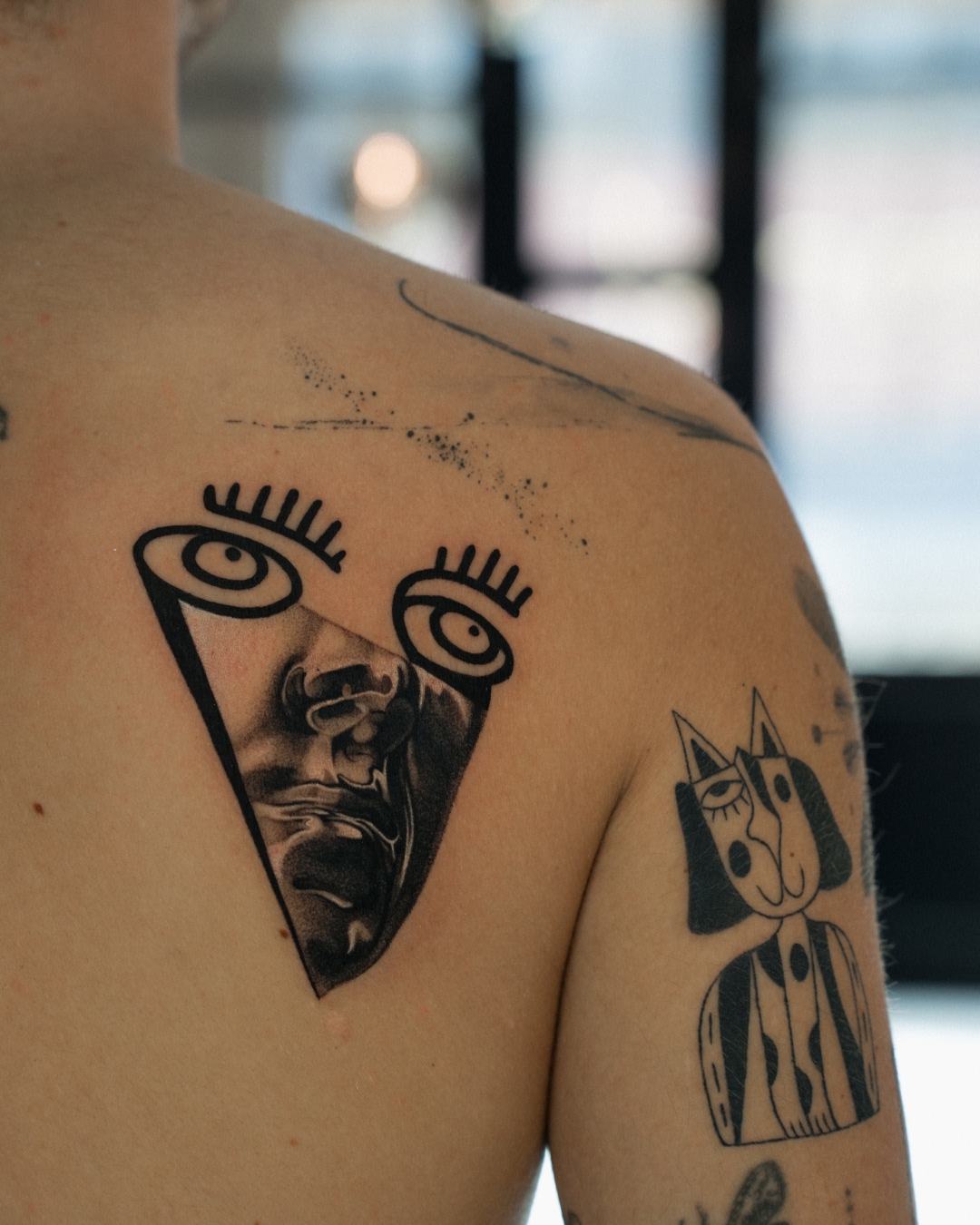
Abstract Realism combines the precision of realistic tattooing with the freedom of abstract composition. A recognizable image remains the visual anchor, while fragmentation, negative space, texture, transitions and contrast reshape how it is perceived. At Souls & Sinners Tattoo Studio Frankfurt, we develop Abstract Realism tattoos as custom compositions that bring imagery, anatomy and open skin into one coherent visual language.
Style info
Details
1/3 Section
Reality becomes the starting point
Abstract Realism begins with something recognizable: a portrait, an eye, an animal, a sculpture, architecture or a personal object. Unlike classical realism, the image does not need to remain complete or photographically closed. Some areas can be rendered with high precision while others break apart, disappear or transition into abstract forms. The tension between clarity and openness becomes part of the design.
Realistic anchors, abstract movement
Realistic elements give the tattoo focus and recognition. Abstract structures, soft shadows, graphic fragments and open skin change the rhythm, direction and visual weight of the composition. These layers are not combined randomly. Contrast, scale, spacing and transitions determine where the eye enters the piece and how it moves through the tattoo.
Negative space is part of the composition
Open skin is not unused space in Abstract Realism. It separates dense areas, increases contrast and gives fragmented elements room to work visually. In more complex pieces, negative space prevents realism and abstraction from collapsing into one continuous surface. It creates hierarchy and helps individual elements remain readable.
Designed around anatomy and movement
An Abstract Realism composition is not designed independently from the body and then simply transferred to the skin. Placement, direction, proportion and open areas are developed around the natural shape of the chosen body area. A forearm requires a different visual flow than a back, thigh or chest. The design therefore responds to movement and available space so realism and abstraction feel integrated with the body.
Not the same as Conceptual or Microrealism
Conceptual tattoos begin primarily with an idea or meaning and may use different visual styles to express it. Microrealism focuses on realistic representation at a compact scale. Abstract Realism is defined by the deliberate tension between realistic representation and abstract disruption. The image remains recognizable, but it does not need to remain complete.
Created from the ground up
References help us understand the imagery, atmosphere and type of abstraction you are drawn to. They are not treated as finished templates. From your idea, we develop an original composition with the right balance of detail, fragmentation, contrast, negative space and placement. The goal is not a collage of effects, but one coherent tattoo designed for your body.
Häufig gestellte Fragen
Fragen
2/5 Abschnitt
What is an Abstract Realism tattoo?
Abstract Realism combines recognizable realistic elements with abstract forms, fragmentation, texture and negative space. The realistic image remains a visual anchor but is deliberately reinterpreted.
How is it different from classical realism?
Classical realism usually aims to represent a subject as completely and accurately as possible. Abstract Realism can break the image apart, omit sections or merge it with abstract structures.
How is Abstract Realism different from Microrealism?
Microrealism translates realistic subjects into a more compact scale while preserving proportion, light and detail. Abstract Realism adds fragmentation, open space and an abstract visual language.
Which subjects work well for Abstract Realism?
Portraits, eyes, animals, sculptures, architecture and personal objects can all work as realistic anchors. The important question is whether the subject can interact naturally with abstraction and the chosen placement.
Can Abstract Realism work as a large-scale tattoo?
Yes. The style can work as a single piece or as a larger body composition. In larger projects, flow, hierarchy, contrast and negative space are planned across the entire area.
Gallery
Work examples
3/5 Abschnitt
Beispiel für Arbeiten
Stil & Künstler
Artists
4/5 Abschnitt
yakovelly
Instagram ->Kultur
Other styles
Specializations
3/3 Section